

-
General Purpose Valve Series Butterfly valve series Ball valve series Hydraulic control valve series Corrosion-resistant valve series Bellows valve series Regulating valve seriesThree eccentric butterfly valve series Two-way double eccentric metal hard seal butterfly valve Soft seal butterfly valve series Other Butterfly Valve SeriesHydraulic control valve series Multi-function water control valve Elastic Seated Gate Valve On-off electric valve

- All
- Product Management
- News
- Introduction
- Enterprise outlets
- FAQ
- Enterprise Video
- Enterprise Atlas
Understanding the Role of Industrial Control Valves in Automation: A Comprehensive Guide
Release time:
Mar 16,2025
Understanding the Role of Industrial Control Valves in Automation
Table of Contents
- 1. Introduction to Industrial Control Valves
- 2. Importance of Control Valves in Industrial Automation
- 3. Types of Industrial Control Valves
- 4. Applications of Control Valves in Various Industries
- 5. The Impact of Technology on Control Valve Performance
- 6. Maintenance and Troubleshooting of Control Valves
- 7. Future Trends in Control Valve Technology
- 8. Frequently Asked Questions
- 9. Conclusion
1. Introduction to Industrial Control Valves
Industrial control valves are crucial components in automation systems, serving as the gatekeepers of fluid flow within various processes. They regulate the flow of liquids and gases by opening, closing, or partially obstructing passageways in piping systems. These valves play a vital role in maintaining the desired operating conditions in numerous applications, such as chemical processing, oil and gas, water treatment, and power generation.
Control valves are designed to respond to signals from a controller, enabling them to adjust flow rates according to the specific requirements of the system. This dynamic control is essential for optimizing processes, enhancing efficiency, and improving safety in industrial environments.
2. Importance of Control Valves in Industrial Automation
The significance of control valves in automation cannot be overstated. They are integral to ensuring that processes operate smoothly and efficiently. Here are some key reasons why these valves are important:
2.1 Flow Regulation
Control valves are responsible for regulating the flow of fluids, thereby maintaining pressure and temperature within acceptable limits. This regulation is essential for the optimal functioning of equipment and processes.
2.2 Process Stability
By accurately controlling fluid flow, control valves contribute to the stability of industrial processes. They help prevent fluctuations that can lead to system failures or inefficiencies.
2.3 Energy Efficiency
Efficient control of fluid flow translates into reduced energy consumption. By minimizing waste and optimizing process parameters, control valves play a vital role in lowering operational costs.
2.4 Safety Enhancement
Control valves can prevent hazardous situations by quickly shutting off fluid flow in emergencies. This capability enhances the overall safety of industrial operations.
3. Types of Industrial Control Valves
Control valves come in various types, each designed for specific applications. Understanding the different types is crucial for selecting the right valve for your automation needs.
3.1 Globe Valves
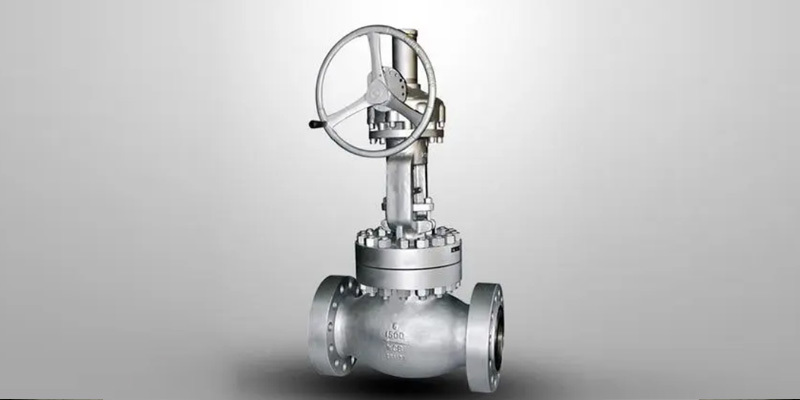
Globe valves are widely used for flow regulation. Their design allows for significant throttling, making them ideal for applications where precise control is necessary. The flow path in globe valves creates turbulence, which can lead to pressure drops; thus, they are not typically used for on-off service.
3.2 Ball Valves
Ball valves have a spherical disc that controls flow. They are known for their quick operation and excellent sealing capabilities, making them suitable for on-off applications. While they are not ideal for throttling due to their design, advancements in technology have improved their performance in some throttling applications.
3.3 Butterfly Valves
Butterfly valves consist of a rotating disc that regulates flow. They are lightweight, compact, and suitable for large volume flow control. These valves are commonly used in water treatment and HVAC systems due to their efficiency and cost-effectiveness.
3.4 Check Valves
Check valves allow fluid to flow in one direction while preventing backflow. They are essential for protecting equipment from damage caused by reverse flow. These valves are commonly found in piping systems where backflow needs to be controlled.
4. Applications of Control Valves in Various Industries
The versatility of control valves allows them to be utilized across multiple industries, each with specific requirements and challenges.
4.1 Chemical Processing
In chemical plants, control valves manage the flow of corrosive and sensitive chemicals. Precision in flow regulation is crucial to ensure safety and product quality.
4.2 Oil and Gas
Control valves are essential in the oil and gas industry for managing the flow of crude oil, natural gas, and refined products. They ensure safe and efficient operations in exploration, production, refining, and distribution.
4.3 Water and Wastewater Treatment
In water treatment facilities, control valves help regulate the flow of water through various treatment processes, ensuring the delivery of clean and safe water to communities.
4.4 Power Generation
Control valves play a critical role in power generation plants, controlling steam and water flow to turbines and cooling systems. Their performance directly impacts the efficiency of energy production.
5. The Impact of Technology on Control Valve Performance
Recent advancements in technology have significantly improved the performance, reliability, and efficiency of control valves.
5.1 Smart Control Valves
With the integration of IoT technology, smart control valves can monitor and adjust flow rates autonomously. These valves provide real-time data, enhancing system visibility and enabling predictive maintenance.
5.2 Advanced Materials
The development of advanced materials has improved the durability and performance of control valves. Corrosion-resistant materials extend the lifespan of valves, reducing maintenance frequency.
5.3 Enhanced Actuation Systems
Modern actuation systems offer faster response times and greater precision. Electric and pneumatic actuators with improved control capabilities enhance the overall efficiency of control valves.
6. Maintenance and Troubleshooting of Control Valves
Proper maintenance is essential for ensuring the longevity and effectiveness of control valves. Here are key considerations for maintenance and troubleshooting.
6.1 Routine Inspections
Regular inspections help identify wear and tear before they lead to failures. Check for leaks, corrosion, and abnormal noises during operation.
6.2 Calibration
Calibration ensures control valves operate within their specified parameters. Regular calibration maintains accuracy in flow regulation.
6.3 Troubleshooting Common Issues
Common issues include leakage, sticking, and failure to open or close. Identifying the root cause—whether it’s mechanical failure, faulty actuators, or blockages—can streamline the troubleshooting process.
7. Future Trends in Control Valve Technology
The future of control valve technology is promising, with several trends shaping its evolution.
7.1 Increased Automation
As industries move towards greater automation, control valves will become more integrated with digital technologies, providing enhanced control and monitoring capabilities.
7.2 Environmental Considerations
Sustainability will drive the development of control valves designed for reduced energy consumption and improved efficiency, minimizing environmental impact.
7.3 Advanced Analytics
The application of data analytics will enable predictive maintenance, allowing for timely interventions before failures occur. This will enhance the reliability and efficiency of processes.
8. Frequently Asked Questions
8.1 What are the most common types of control valves used in industry?
The most common types include globe valves, ball valves, butterfly valves, and check valves. Each type serves specific purposes depending on flow control needs.
8.2 How do control valves enhance safety in industrial applications?
Control valves prevent overpressure situations and can quickly shut down fluid flow during emergencies, thereby enhancing the safety of industrial operations.
8.3 What factors should be considered when selecting a control valve?
Factors to consider include the type of fluid, required flow rate, pressure drop, temperature conditions, and the specific application requirements.
8.4 How often should control valves be maintained?
Control valves should undergo routine inspections and maintenance based on operational conditions. Regular maintenance schedules can prevent unexpected failures.
8.5 What is the role of smart technology in control valves?
Smart technology improves the monitoring and control of valves, allowing for real-time adjustments and predictive maintenance, which enhances overall system efficiency.
9. Conclusion
Industrial control valves are indispensable in the realm of automation, serving as vital components that ensure the smooth and efficient operation of various processes. With their ability to regulate flow, enhance safety, and optimize energy use, control valves contribute significantly to the performance of industrial systems. As technology continues to advance, the role of control valves will evolve, making them even more integral to the future of industrial automation. Understanding their functionalities, types, applications, and maintenance will empower industries to leverage these essential components effectively, driving efficiency and productivity in an increasingly automated world.
Key words:
More news
Essential Installation Tips for Two-Piece Flanged Ball Valves in Industrial Settings
Understanding Cast Steel Floating Ball Valves: Key Features and Applications
Floating Ball Valve vs. Traditional Valves: What You Need to Know for Optimal Performance
Maximizing Reliability: How Customized Regulating Valves Enhance System Performance
Top Features to Look for in China’s Automatic Water Control Valves
Key Features to Look for in Quality Industrial Control Valves

National sales hotline 7*24 hours
Address: 801-805 Jingshan Road, Guannan Industrial Zone, jimei district, Xiamen City


