

-
General Purpose Valve Series Butterfly valve series Ball valve series Hydraulic control valve series Corrosion-resistant valve series Bellows valve series Regulating valve seriesThree eccentric butterfly valve series Two-way double eccentric metal hard seal butterfly valve Soft seal butterfly valve series Other Butterfly Valve SeriesHydraulic control valve series Multi-function water control valve Elastic Seated Gate Valve On-off electric valve
- All
- Product Management
- News
- Introduction
- Enterprise outlets
- FAQ
- Enterprise Video
- Enterprise Atlas
Understanding Cast Steel Floating Ball Valves: A Key Component in Industrial Applications
Release time:
Dec 01,2025
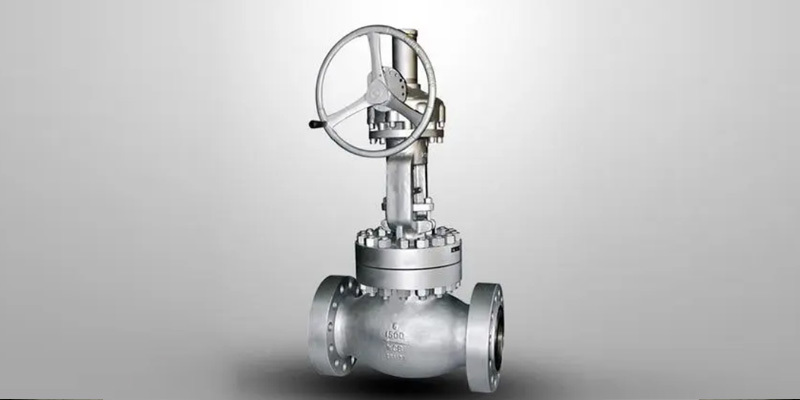
In the realm of industrial equipment and components, cast steel floating ball valves play a crucial role in regulating fluid flow and providing efficient control in various applications. These valves are characterized by their unique design, which features a ball that is not fixed to the valve body but instead "floats" within the sealing area. This design allows for a tighter seal when the valve is closed, minimizing the chance of leakages and ensuring optimal performance.
One of the primary advantages of cast steel floating ball valves is their durability and strength. Constructed from high-quality cast steel, these valves can withstand high pressures and temperatures, making them suitable for a wide range of industrial applications, including oil and gas, chemical processing, and water treatment. Their robust nature allows them to maintain structural integrity even under challenging conditions, which is a significant factor for professionals in industries where reliability is paramount.
Another notable feature of cast steel floating ball valves is their ease of operation. The design allows for quick and straightforward opening and closing with minimal torque, facilitating smooth and efficient control over fluid flow. This is especially important in systems where rapid response times are needed to adjust to changing operational demands. Additionally, the floating ball design reduces the risk of wear and tear on the valve components, prolonging their service life and reducing maintenance needs.
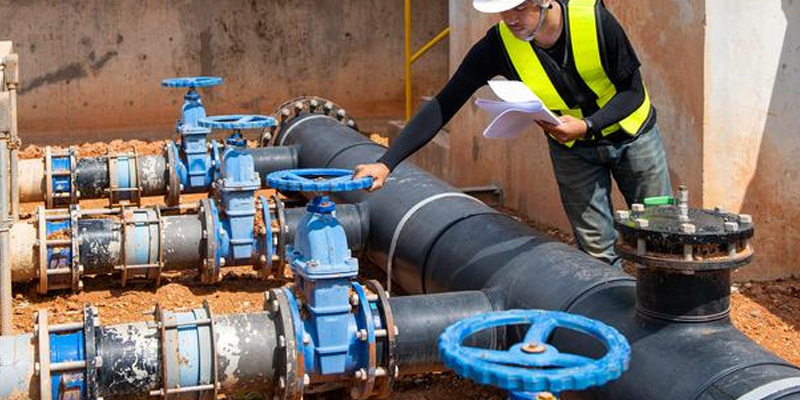
In terms of applications, cast steel floating ball valves are versatile and can be utilized in various settings. They are commonly found in pipelines, where they help manage the flow of liquids and gases, as well as in systems requiring isolation and throttling capabilities. Their adaptability to different media, including corrosive substances, makes them an essential component for many industrial processes.
When selecting a cast steel floating ball valve, it is crucial for professionals to consider factors such as pressure ratings, temperature limits, and the types of fluids being handled. These specifications ensure that the chosen valve will perform effectively within the intended application. Furthermore, understanding the installation and maintenance requirements can help in maximizing the valve's operational lifespan and efficiency.
In summary, cast steel floating ball valves are an indispensable part of various industrial systems. Their robust construction, ease of operation, and versatility make them an excellent choice for professionals looking to enhance the reliability and efficiency of fluid control within their operations. By focusing on the specific needs of each application, industries can leverage the benefits of these valves to achieve optimal performance and safety.
Key words:
More news
Essential Installation Tips for Two-Piece Flanged Ball Valves in Industrial Settings
Understanding Cast Steel Floating Ball Valves: Key Features and Applications
Floating Ball Valve vs. Traditional Valves: What You Need to Know for Optimal Performance
Maximizing Reliability: How Customized Regulating Valves Enhance System Performance
Top Features to Look for in China’s Automatic Water Control Valves
Key Features to Look for in Quality Industrial Control Valves

National sales hotline 7*24 hours
Address: 801-805 Jingshan Road, Guannan Industrial Zone, jimei district, Xiamen City


