

-
General Purpose Valve Series Butterfly valve series Ball valve series Hydraulic control valve series Corrosion-resistant valve series Bellows valve series Regulating valve seriesThree eccentric butterfly valve series Two-way double eccentric metal hard seal butterfly valve Soft seal butterfly valve series Other Butterfly Valve SeriesHydraulic control valve series Multi-function water control valve Elastic Seated Gate Valve On-off electric valve

- All
- Product Management
- News
- Introduction
- Enterprise outlets
- FAQ
- Enterprise Video
- Enterprise Atlas
How to Choose the Right Regulating Valve for Your Equipment: A Comprehensive Guide
Release time:
Mar 18,2025
How to Choose the Right Regulating Valve for Your Equipment
Choosing the right regulating valve for your equipment is critical to maintaining optimal performance and efficiency in industrial operations. Regulating valves play a pivotal role in controlling the flow and pressure of liquids and gases in various applications. With a myriad of options available, it's essential to understand the key considerations that will guide your selection process. In this article, we delve into the nuances of regulating valves, providing you with practical insights and tips for making the best choice for your equipment.
Understanding the Role of Regulating Valves in Industrial Equipment
Regulating valves, also known as control valves, are vital components in many industrial systems. Their primary function is to manage the flow of fluids within a system, ensuring that the right amount of liquid or gas reaches its destination at the desired pressure and temperature. These valves can be found in a wide range of applications, including:
- **Water and wastewater treatment**
- **Oil and gas processing**
- **Chemical manufacturing**
- **HVAC systems**
By maintaining the appropriate flow rates and pressures, regulating valves help optimize system performance, reduce energy consumption, and prolong the life of equipment.
Types of Regulating Valves: A Closer Look
To select the right valve, it's crucial to understand the different types available. Here are some common types of regulating valves:
1. Globe Valves
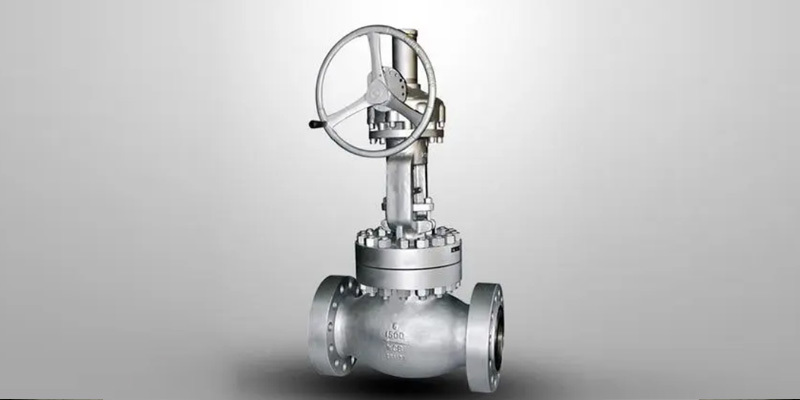
Globe valves are characterized by their spherical body shape and provide excellent flow regulation. They are ideal for applications requiring precise control of fluid flow, making them a popular choice for regulating valves in various industries.
2. Ball Valves
Ball valves use a rotating ball to control flow. While they are often favored for their quick shut-off capabilities, they can also be used for regulation purposes in some applications. However, achieving precise control can be more challenging compared to globe valves.
3. Butterfly Valves
Butterfly valves feature a rotating disc that regulates flow. They are lightweight and compact, making them suitable for large-diameter pipes. While they provide good throttling capabilities, their performance may not match that of globe valves in terms of precision.
4. Check Valves
Check valves allow fluid to flow in one direction while preventing backflow. While not typically used for regulation, they are essential in systems where backflow could cause damage or contamination.
5. Pressure Relief Valves
Pressure relief valves are designed to protect equipment by releasing excess pressure. They are critical in applications where pressure control is paramount, ensuring safety and preventing equipment failure.
Key Factors to Consider When Choosing a Regulating Valve
When selecting a regulating valve for your equipment, several factors come into play. Understanding these elements will help you make an informed decision.
1. Application Requirements
The specific needs of your application should be the first consideration when choosing a regulating valve. Factors such as flow rate, pressure requirements, and temperature ranges are critical to ensuring that the valve operates effectively within your system.
2. Valve Sizing
Proper sizing is essential for a regulating valve to function efficiently. An undersized valve may restrict flow, leading to pressure drops, while an oversized valve can result in poor control. To determine the correct size, calculate the flow rate requirements and refer to manufacturer specifications.
3. Material Compatibility
The materials used in the construction of regulating valves must be compatible with the fluids being handled. Factors such as chemical compatibility, temperature resistance, and corrosion potential should be thoroughly evaluated to ensure longevity and performance.
4. Actuation Method
Regulating valves can be actuated manually or automatically. Automatic actuators can improve system responsiveness and control, especially in applications with varying flow demands. Consider the level of automation required for your operations when selecting an actuation method.
5. Control Strategy
The control strategy employed in your system will influence your choice of regulating valve. For instance, proportional control strategies may necessitate specific valve characteristics, while on-off control may not require as much precision.
Common Applications for Regulating Valves
Understanding where and how regulating valves are used can help you appreciate their importance in various industrial settings. Here are some common applications:
1. Water Treatment Facilities
In water treatment plants, regulating valves manage the flow of water through filtration and purification processes. They ensure that the correct flow rates are maintained to provide safe, clean water for public consumption.
2. Oil and Gas Industry
Regulating valves are critical in the oil and gas sector for controlling the flow of crude oil, natural gas, and various byproducts. Their ability to withstand high pressures and corrosive substances makes them indispensable in this industry.
3. Chemical Processing
In chemical manufacturing, precise control of flow and pressure is crucial to ensure product quality and safety. Regulating valves help maintain the necessary conditions for chemical reactions, preventing spills and accidents.
4. HVAC Systems
In heating, ventilation, and air conditioning systems, regulating valves control the flow of air and fluids to maintain desired temperature and humidity levels, enhancing comfort and energy efficiency.
Maintenance and Troubleshooting of Regulating Valves
To ensure longevity and efficiency, proper maintenance of regulating valves is essential. Regular inspections and timely repairs can prevent costly downtime and equipment failure.
1. Regular Inspections
Conducting routine inspections of regulating valves can help identify signs of wear and tear, leaks, or other issues. Look for visual indicators such as corrosion, physical damage, or unusual noise during operation.
2. Cleaning and Lubrication
Maintaining cleanliness and lubrication of valve components is vital for smooth operation. Remove any debris or buildup that may hinder performance, and ensure that moving parts are properly lubricated to prevent friction and wear.
3. Testing Performance
Regular performance testing can validate that the valve is operating within the specified parameters. Monitor flow rates, pressures, and temperature conditions to ensure that the valve continues to meet application requirements.
Frequently Asked Questions
1. What is the primary function of a regulating valve?
The primary function of a regulating valve is to control the flow and pressure of fluids within a system, ensuring efficient and safe operation.
2. How do I know what size regulating valve to choose?
To determine the appropriate size, calculate the flow rate requirements for your application and refer to manufacturer sizing charts to find the best fit.
3. What materials should I consider for a regulating valve?
Consider material compatibility with the fluids being handled, temperature resistance, and corrosion potential when selecting a valve material.
4. Should I choose an automatic or manual regulating valve?
Choose an automatic valve if you require precise control and responsiveness. Manual valves may suffice for simpler applications with stable flow rates.
5. How often should regulating valves be maintained?
Regular maintenance, including inspections and cleaning, should be conducted at least annually or more frequently based on the application's demands and environmental conditions.
Conclusion
Choosing the right regulating valve for your equipment is a multifaceted process that requires careful consideration of various factors, including application requirements, sizing, material compatibility, actuation methods, and control strategies. By understanding these elements and their implications, you can make informed decisions that enhance the efficiency, safety, and longevity of your industrial operations. Take the time to evaluate your specific needs and explore the options available—doing so will ultimately lead to improved performance and reduced operational risks in your systems.
Key words:
More news
Essential Installation Tips for Two-Piece Flanged Ball Valves in Industrial Settings
Understanding Cast Steel Floating Ball Valves: Key Features and Applications
Floating Ball Valve vs. Traditional Valves: What You Need to Know for Optimal Performance
Maximizing Reliability: How Customized Regulating Valves Enhance System Performance
Top Features to Look for in China’s Automatic Water Control Valves
Key Features to Look for in Quality Industrial Control Valves

National sales hotline 7*24 hours
Address: 801-805 Jingshan Road, Guannan Industrial Zone, jimei district, Xiamen City


