

-
General Purpose Valve Series Butterfly valve series Ball valve series Hydraulic control valve series Corrosion-resistant valve series Bellows valve series Regulating valve seriesThree eccentric butterfly valve series Two-way double eccentric metal hard seal butterfly valve Soft seal butterfly valve series Other Butterfly Valve SeriesHydraulic control valve series Multi-function water control valve Elastic Seated Gate Valve On-off electric valve

- All
- Product Management
- News
- Introduction
- Enterprise outlets
- FAQ
- Enterprise Video
- Enterprise Atlas
The Critical Role of Regulating Valves in Optimizing Fluid Control Systems
Release time:
Mar 28,2025
The Critical Role of Regulating Valves in Optimizing Fluid Control Systems
Fluid control systems are integral to many industrial applications, from manufacturing to energy production. At the heart of these systems lie regulating valves, which play a crucial role in ensuring optimal performance and efficiency. This article will delve into the importance of regulating valves, their functions, design considerations, and the impact they have on various industries.
Understanding Regulating Valves: A Comprehensive Overview
Regulating valves are devices used to control the flow and pressure of fluids within a system. By adjusting the valve opening, these components can either increase or decrease fluid flow, making them essential for maintaining system stability and efficiency.
Types of Regulating Valves
There are several types of regulating valves, each designed for specific applications and requirements. Understanding the different types can help in selecting the right valve for your fluid control system.
1. Globe Valves
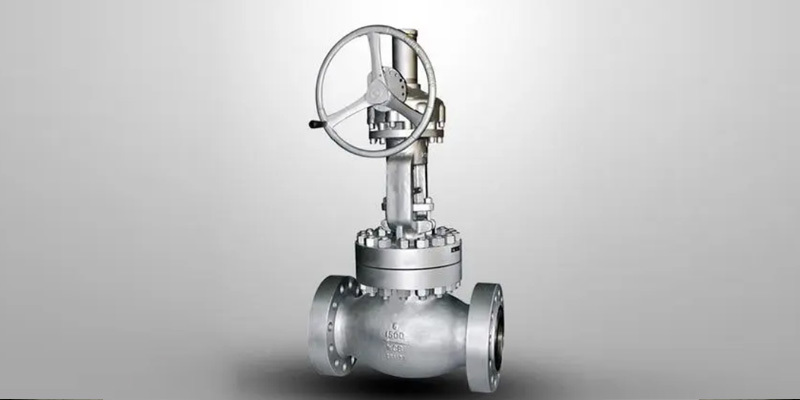
Globe valves are characterized by their spherical body shape and are widely used for throttling flow. They offer excellent flow control and are ideal for applications where precise regulation is necessary.
2. Ball Valves
Ball valves provide quick shut-off capabilities and are commonly used in applications requiring minimal pressure drop. While they are not always suitable for throttling, they excel in on/off control.
3. Plug Valves
Plug valves utilize a conical or cylindrical plug to regulate flow. They are known for their ease of operation and are often found in systems requiring quick and reliable fluid control.
4. Butterfly Valves
Butterfly valves use a rotating disc to control flow. They are lightweight and compact, making them suitable for applications with space constraints.
The Importance of Regulating Valves in Fluid Control Applications
Regulating valves are not just components; they are vital to the efficiency and safety of fluid control systems. Here are some of the key reasons why they are indispensable:
1. Precise Flow Control
Regulating valves allow for precise control of fluid flow, which is essential in many applications. This precision helps in maintaining desired pressure levels, temperature control, and overall system efficiency.
2. Energy Efficiency
By optimizing flow rates and reducing energy consumption, regulating valves contribute to energy efficiency. This aspect is particularly important in industries striving to reduce operational costs and environmental impact.
3. System Protection
Regulating valves can protect fluid systems from damage caused by excessive pressure or flow rates. By automatically adjusting to changing conditions, they help prevent system failures and improve longevity.
4. Enhanced Process Control
In industries such as chemical processing and food production, maintaining specific fluid properties is crucial. Regulating valves enable operators to adjust system parameters in real-time, enhancing overall process control.
Key Applications of Regulating Valves
Regulating valves find applications across various industries, each benefiting from their unique capabilities.
1. Chemical Processing
In chemical processing, regulating valves control the flow of reactants and products, ensuring safe and efficient reactions. Precise flow control is essential for maintaining reaction rates and product quality.
2. Water Treatment
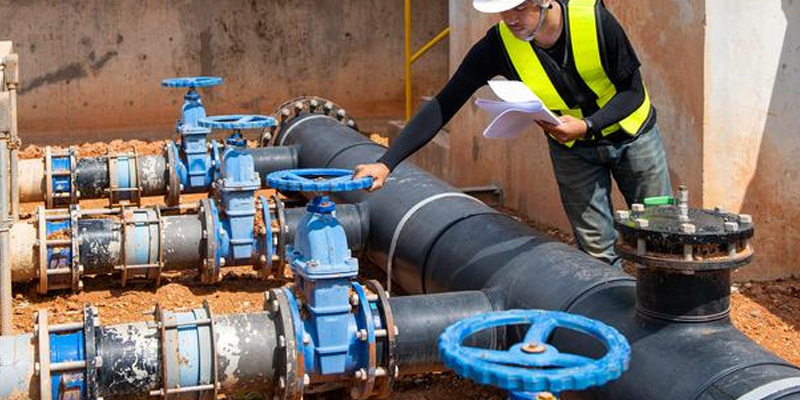
Water treatment facilities utilize regulating valves to control the flow of water through filtration and disinfection processes. Effective regulation ensures that water quality meets safety standards.
3. HVAC Systems
In heating, ventilation, and air conditioning (HVAC) systems, regulating valves help maintain desired temperature and humidity levels. They ensure optimal performance and energy efficiency.
4. Oil and Gas Industry
The oil and gas industry relies on regulating valves for managing the flow of crude oil, natural gas, and other fluids. These valves help prevent leaks and spills, ensuring safe operations.
5. Food and Beverage Manufacturing
In food and beverage manufacturing, regulating valves control the flow of liquids and gases during production processes. Their reliability ensures compliance with safety regulations.
Choosing the Right Regulating Valve for Your Application
Selecting the appropriate regulating valve involves several considerations. Here are the key factors to keep in mind:
1. Fluid Characteristics
Understanding the properties of the fluid—such as viscosity, temperature, and corrosiveness—is fundamental in selecting the right valve material and design.
2. Pressure and Temperature Requirements
Each application has specific pressure and temperature requirements. Ensure that the selected valve can operate efficiently within these parameters.
3. Flow Rate Needs
Consider the required flow rates for your application. Regulating valves are designed for different flow capacities, so choose one that meets your needs.
4. Installation Space
The available space for installation can influence the type of valve chosen. Compact designs, such as butterfly valves, may be ideal for tight spaces.
5. Maintenance Considerations
Evaluate the maintenance requirements of the valve. Some designs necessitate more frequent maintenance than others, impacting long-term operational costs.
Common Challenges in Regulating Valve Applications
While regulating valves are essential for fluid control, they can present challenges that need to be addressed.
1. Valve Wear and Tear
Over time, regulating valves may experience wear due to fluid dynamics and environmental conditions. Regular inspections and maintenance can help mitigate this issue.
2. Pressure Fluctuations
Inconsistent pressure levels can affect valve performance. Employing pressure regulation solutions can help stabilize flow and enhance valve functionality.
3. Flow Cavitation
Cavitation occurs when the pressure of a fluid drops below its vapor pressure, leading to the formation of bubbles. This phenomenon can damage valves and should be prevented through proper design and maintenance.
4. Temperature Changes
Rapid temperature changes can affect valve performance and fluid characteristics. Understanding the thermal dynamics of your system is crucial for selecting the right regulating valve.
Maintenance Best Practices for Regulating Valves
To ensure the longevity and optimal performance of regulating valves, consider the following maintenance best practices:
1. Regular Inspections
Conduct regular inspections to identify any signs of wear or malfunction. Early detection can prevent costly repairs and downtime.
2. Cleaning and Lubrication
Keep valves clean and well-lubricated to enhance their operational efficiency. Remove any debris or buildup that may impede functionality.
3. Calibration
Routine calibration can help maintain the accuracy of flow control. Ensure that valves are adjusted according to the specific requirements of your system.
4. Replacement of Worn Parts
Replace any components that show signs of wear, such as seals and gaskets, to prevent leaks and ensure optimal performance.
5. Proper Training for Operators
Ensure that personnel operating the valves are adequately trained. Understanding how to operate and maintain regulating valves is crucial for effective fluid control.
Frequently Asked Questions (FAQs)
1. What is a regulating valve used for?
Regulating valves control the flow and pressure of fluids within a system, ensuring optimal performance and efficiency.
2. How do I select the right regulating valve for my application?
Consider factors such as fluid characteristics, pressure and temperature requirements, flow rate needs, installation space, and maintenance considerations.
3. What are the common types of regulating valves?
Common types include globe valves, ball valves, plug valves, and butterfly valves, each suitable for different applications.
4. How can I maintain my regulating valves?
Regular inspections, cleaning, lubrication, calibration, and timely replacement of worn parts are essential maintenance practices.
5. What challenges can arise with regulating valves?
Challenges include valve wear and tear, pressure fluctuations, flow cavitation, and temperature changes, all of which can affect performance.
Conclusion
Regulating valves are essential components in fluid control applications, ensuring efficiency, safety, and optimal performance across various industries. By understanding their importance, types, benefits, and challenges, industry professionals can make informed decisions that enhance system reliability. With proper selection and maintenance, regulating valves will continue to play a pivotal role in the future of fluid control technologies.
Key words:
More news
Essential Installation Tips for Two-Piece Flanged Ball Valves in Industrial Settings
Understanding Cast Steel Floating Ball Valves: Key Features and Applications
Floating Ball Valve vs. Traditional Valves: What You Need to Know for Optimal Performance
Maximizing Reliability: How Customized Regulating Valves Enhance System Performance
Top Features to Look for in China’s Automatic Water Control Valves
Key Features to Look for in Quality Industrial Control Valves

National sales hotline 7*24 hours
Address: 801-805 Jingshan Road, Guannan Industrial Zone, jimei district, Xiamen City


