

-
General Purpose Valve Series Butterfly valve series Ball valve series Hydraulic control valve series Corrosion-resistant valve series Bellows valve series Regulating valve seriesThree eccentric butterfly valve series Two-way double eccentric metal hard seal butterfly valve Soft seal butterfly valve series Other Butterfly Valve SeriesHydraulic control valve series Multi-function water control valve Elastic Seated Gate Valve On-off electric valve

- All
- Product Management
- News
- Introduction
- Enterprise outlets
- FAQ
- Enterprise Video
- Enterprise Atlas
How to Choose the Right Industrial Control Valve for Your Application: A Comprehensive Guide
Release time:
Apr 05,2025
How to Choose the Right Industrial Control Valve for Your Application
Table of Contents
- Understanding Industrial Control Valves
- Types of Industrial Control Valves
- Key Factors to Consider When Choosing Control Valves
- Materials and Construction of Control Valves
- Sizing and Selection of Control Valves
- Installation and Maintenance of Industrial Control Valves
- Applications of Industrial Control Valves
- Frequently Asked Questions
Understanding Industrial Control Valves
Industrial control valves are critical components in various industries, serving as the essential mechanism for regulating the flow of liquids, gases, and steam in a system. They play a pivotal role in maintaining proper control over processes, ensuring efficiency, safety, and reliability. Selecting the right control valve is crucial for optimizing system performance, reducing downtime, and minimizing operational costs.
Types of Industrial Control Valves
Control valves come in various types, each designed to cater to specific operational needs. Understanding these types will help in making an informed decision:
1. Globe Valves
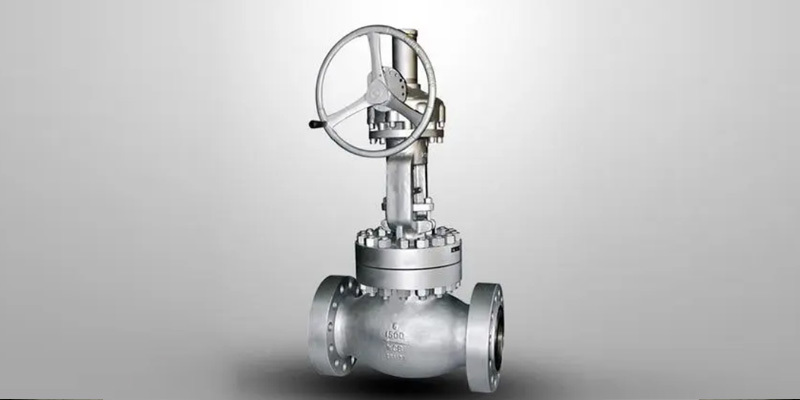
Globe valves are among the most commonly used control valves in industrial applications. They feature a spherical body that allows for excellent throttling capabilities, making them ideal for flow regulation. Their design helps in minimizing turbulence and pressure drop, thus enhancing performance.
2. Ball Valves
Ball valves utilize a spherical disc to control flow. They offer quick on/off functionality and minimal pressure drop, making them suitable for applications requiring fast opening and closing. While not as effective for throttling, they excel in situations where full flow or complete shutoff is required.
3. Butterfly Valves
Butterfly valves are characterized by a rotating disc that regulates flow. They are lightweight, compact, and provide excellent control for large volumes of fluid. These valves are typically used in large-scale operations and applications where space is limited.
4. Check Valves
Check valves are designed to prevent backflow in a system, ensuring that fluid flows in the intended direction. While they do not regulate flow, they are crucial for maintaining system integrity and preventing damage from reverse flow.
5. Diaphragm Valves
Diaphragm valves are ideal for applications involving corrosive or viscous fluids. They utilize a flexible diaphragm to control flow, providing a tight seal and preventing contamination. Their design is well-suited for pharmaceutical and food processing industries.
Key Factors to Consider When Choosing Control Valves
When selecting an industrial control valve, several critical factors must be considered to ensure compatibility and optimal performance:
1. Flow Characteristics
Understanding the flow characteristics of your application is essential. Consider whether the flow is linear, equal percentage, or quick opening. This will influence the type of valve you should choose.
2. Pressure and Temperature Ratings
Every application operates under specific pressure and temperature conditions. Ensure that the control valve you select can withstand these conditions, as exceeding them can lead to failure and damage.
3. Type of Fluid
The nature of the fluid being controlled is a significant factor. Consider viscosity, corrosiveness, and whether the fluid contains solids. This information will guide you to select materials and valve types suitable for your application.
4. Control Method
Decide on the method of control that best suits your operation. Options include pneumatic, electric, and hydraulic control. The selected method will impact the actuator and valve compatibility.
5. Actuation
Choose the right actuation type for your control valve. Options include manual, electrical, pneumatic, or hydraulic actuators. Consider the response time, speed of operation, and maintenance needs when making your selection.
Materials and Construction of Control Valves
The materials used in the construction of control valves significantly influence their performance, lifespan, and suitability for various applications. Common materials include:
1. Stainless Steel
Stainless steel is a popular choice for control valves due to its resistance to corrosion and high temperatures. It is ideal for food processing, pharmaceuticals, and chemical applications.
2. Brass
Brass valves are durable and resistant to corrosion, making them suitable for plumbing and HVAC applications. However, they may not withstand high temperatures or pressures.
3. Plastic
Plastic control valves are lightweight and resistant to corrosion, making them ideal for applications involving aggressive chemicals. They are commonly used in water treatment and chemical processing industries.
4. Cast Iron
Cast iron valves are robust and reliable, suitable for heavy-duty applications such as oil and gas. However, they may be prone to corrosion if not properly maintained.
Sizing and Selection of Control Valves
Proper sizing is crucial for the effective operation of control valves. An undersized valve can lead to pressure drops, while an oversized valve can cause instability in the control system. To size a valve correctly, consider the following:
1. Flow Rate
The flow rate is a critical factor in determining valve size. Utilize the formula for flow coefficient (Cv) to calculate the appropriate valve size. Cv reflects the amount of fluid that can flow through the valve at a specific pressure drop.
2. Pipe Size
Ensure that the valve size aligns with the pipe size in the system. Mismatched sizes can lead to turbulence and inefficiencies.
3. Pressure Drop
Consider the acceptable pressure drop in your system. A higher pressure drop may require a larger valve or a different type to maintain efficiency.
Installation and Maintenance of Industrial Control Valves
Proper installation and regular maintenance are essential for the longevity and performance of control valves. Follow these guidelines:
1. Installation
Ensure valves are installed in the correct orientation as specified by the manufacturer. Pay attention to flow direction, and use appropriate sealing methods to prevent leaks.
2. Regular Inspection
Conduct regular inspections to identify wear and tear. Look for signs of leakage, corrosion, or abnormal behavior during operation.
3. Routine Maintenance
Establish a regular maintenance schedule that includes cleaning, lubrication, and replacement of worn components. Keeping the valve in top condition is crucial for efficient operation.
Applications of Industrial Control Valves
Control valves have a vast range of applications across different industries:
1. Oil and Gas
In the oil and gas industry, control valves are used to regulate flow and pressure in pipelines, ensuring safe and efficient operation.
2. Water Treatment
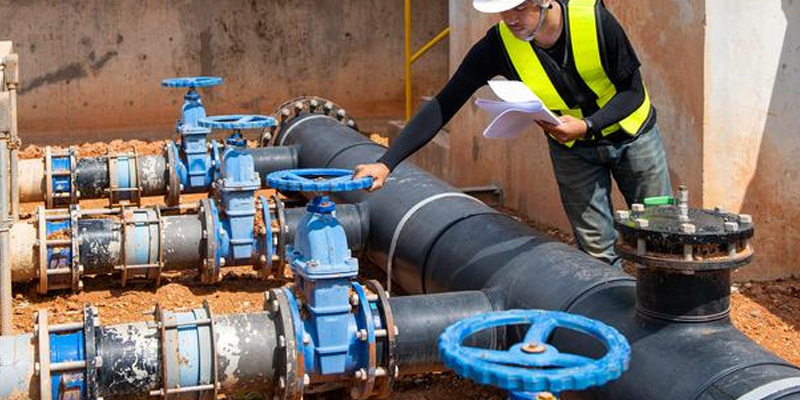
Control valves play a crucial role in controlling the flow of water in treatment plants, ensuring proper filtration and chemical dosing.
3. Pharmaceutical
In the pharmaceutical industry, control valves ensure accurate dosing and mixing of components, maintaining product quality and compliance with regulations.
4. Food Processing
Control valves in food processing applications control flow rates and temperatures, ensuring product safety and consistency.
5. HVAC Systems
In heating, ventilation, and air conditioning (HVAC) systems, control valves regulate airflow and temperature, contributing to energy efficiency and comfort.
Frequently Asked Questions
1. What is the main function of an industrial control valve?
The primary function of an industrial control valve is to regulate the flow of fluids (liquids or gases) within a system, ensuring optimal performance and efficiency.
2. How do I determine the right size for my control valve?
To determine the correct size, consider factors such as flow rate, pipe size, and acceptable pressure drop. Calculating the flow coefficient (Cv) can also help in sizing the valve accurately.
3. What materials are best for control valves in corrosive environments?
Stainless steel and specialized alloys are ideal for corrosive environments, offering durability and resistance to degradation.
4. How often should control valves be maintained?
Regular maintenance should be conducted based on the manufacturer's recommendations, typically every six months to a year, depending on the application and operational conditions.
5. Can I install a control valve myself?
While some may attempt DIY installation, it is advisable to consult a professional to ensure proper installation, alignment, and sealing to prevent leaks and ensure optimal performance.
Conclusion
Selecting the right industrial control valve for your application is a critical decision that impacts efficiency, safety, and operational costs. Understanding the types of valves, key factors to consider, suitable materials, proper sizing, and installation practices will empower you to make an informed choice. By following this comprehensive guide, you can confidently navigate the complexities of industrial control valves and enhance the performance of your systems.
Key words:
More news
Essential Installation Tips for Two-Piece Flanged Ball Valves in Industrial Settings
Understanding Cast Steel Floating Ball Valves: Key Features and Applications
Floating Ball Valve vs. Traditional Valves: What You Need to Know for Optimal Performance
Maximizing Reliability: How Customized Regulating Valves Enhance System Performance
Top Features to Look for in China’s Automatic Water Control Valves
Key Features to Look for in Quality Industrial Control Valves

National sales hotline 7*24 hours
Address: 801-805 Jingshan Road, Guannan Industrial Zone, jimei district, Xiamen City


