

-
General Purpose Valve Series Butterfly valve series Ball valve series Hydraulic control valve series Corrosion-resistant valve series Bellows valve series Regulating valve seriesThree eccentric butterfly valve series Two-way double eccentric metal hard seal butterfly valve Soft seal butterfly valve series Other Butterfly Valve SeriesHydraulic control valve series Multi-function water control valve Elastic Seated Gate Valve On-off electric valve

- All
- Product Management
- News
- Introduction
- Enterprise outlets
- FAQ
- Enterprise Video
- Enterprise Atlas
Exploring Different Types of Industrial Control Valves: A Comprehensive Guide
Release time:
Apr 15,2025
Exploring Different Types of Industrial Control Valves: A Comprehensive Guide
Table of Contents
- 1. Introduction to Industrial Control Valves
- 2. Types of Industrial Control Valves
- 3. Applications of Control Valves in Industry
- 4. Key Selection Criteria for Control Valves
- 5. Installation and Maintenance Tips
- 6. Trends in Control Valve Technology
- 7. Real-World Case Studies
- 8. Frequently Asked Questions
- 9. Conclusion
1. Introduction to Industrial Control Valves
Industrial control valves are pivotal in regulating flow, pressure, and temperature within various systems. These valves act as gatekeepers, ensuring that processes operate optimally, safely, and efficiently. The critical role of control valves extends across multiple industries, including oil and gas, water treatment, pharmaceutical, food and beverage, and manufacturing. Understanding the various types of control valves and their specific applications is essential for engineers, procurement specialists, and facility managers alike.
In this article, we will explore the different types of industrial control valves, their applications, and how to select the right valve for specific needs. We will also delve into installation tips and emerging trends in control valve technology, providing a comprehensive resource for anyone involved in industrial operations.
2. Types of Industrial Control Valves
Choosing the right type of control valve is crucial for achieving optimal performance in industrial processes. Below, we outline the most common types of industrial control valves, each with unique characteristics and applications.
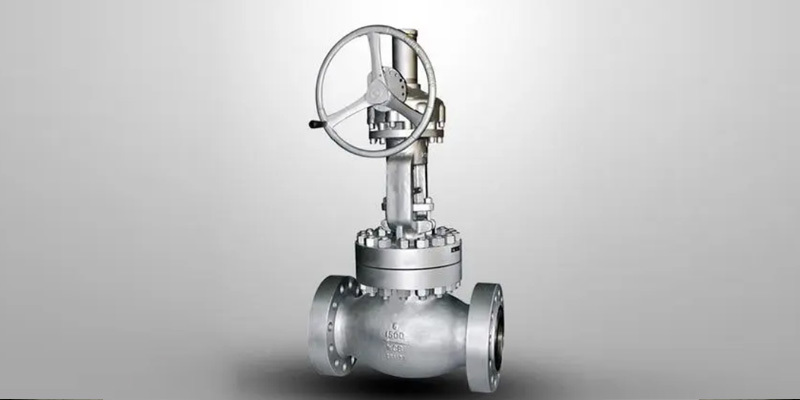
2.1. Globe Valves
Globe valves are one of the most widely used control valves in industrial applications. Their design allows for precise throttling and flow control. They consist of a movable disk and a stationary ring seat, which can be adjusted to regulate flow. Globe valves are ideal for applications requiring frequent adjustments and tight shut-off capabilities.
2.2. Ball Valves
Ball valves utilize a spherical disc to control flow. They are known for their quick on/off capabilities and excellent sealing properties, making them suitable for applications where fast response times are crucial. While ball valves are not traditionally used for throttling, recent advancements have led to the development of "v-port" ball valves that allow for better flow control.
2.3. Butterfly Valves
Butterfly valves are characterized by a rotating disc that provides flow regulation. These valves are lightweight and compact, making them ideal for large pipe applications where space is limited. Their simplicity of design allows for quick operation and low-pressure drops, making them suitable for various industries, including water distribution and HVAC systems.
2.4. Check Valves
Check valves, also known as non-return valves, allow fluid to flow in one direction while preventing backflow. They are essential in systems where backpressure can cause damage or inefficiencies. Common applications include piping systems in water treatment facilities and oil refineries.
2.5. Pressure Relief Valves
Pressure relief valves are critical for maintaining safety in pressurized systems. They automatically release excess pressure to prevent system failure. These valves are commonly used in steam, gas, and hydraulic systems, ensuring operational safety while maintaining desired performance.
2.6. Solenoid Valves
Solenoid valves use an electromagnetic coil to control the opening and closing of the valve. They are often used in automated systems and applications where quick response times are essential. Solenoid valves are commonly found in irrigation systems, pneumatic applications, and chemical processing.
2.7. Diaphragm Valves
Diaphragm valves use a flexible diaphragm to control flow. They are ideal for handling corrosive or viscous fluids, making them popular in the pharmaceutical and food processing industries. The design minimizes contamination risks, ensuring the purity of the fluids being processed.
3. Applications of Control Valves in Industry
Control valves play a crucial role in a wide range of industrial applications. Their ability to manage flow, pressure, and temperature makes them indispensable in various processes. Below, we highlight some notable applications across different sectors.
3.1. Oil and Gas Industry
In the oil and gas sector, control valves regulate the flow of crude oil and natural gas during extraction, processing, and transportation. They also play a vital role in safety systems to manage pressure and prevent leaks, contributing to operational efficiency and environmental protection.
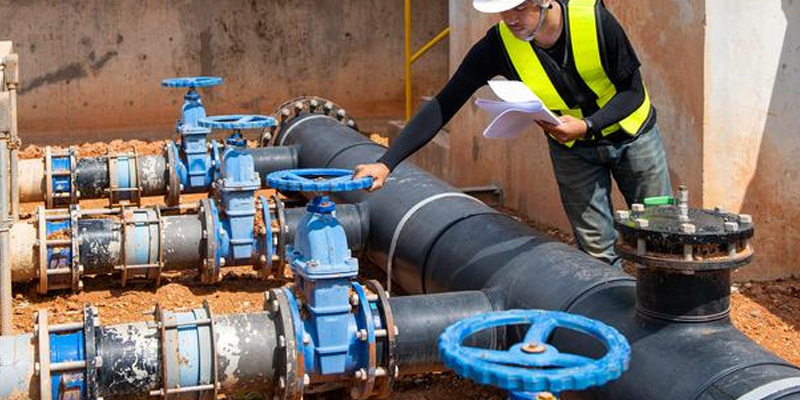
3.2. Water and Wastewater Treatment
Control valves are essential in water treatment facilities, where they manage the flow of chemicals and water through purification processes. In wastewater treatment, these valves help control the flow of effluent, ensuring compliance with environmental regulations.
3.3. Food and Beverage Sector
In the food and beverage industry, control valves ensure precise control over the mixing, heating, and cooling processes. Diaphragm and sanitary valves are particularly popular in this sector to maintain hygiene and prevent contamination.
3.4. Pharmaceutical Manufacturing
Control valves in pharmaceutical manufacturing are designed for accuracy and reliability. They help manage the flow of active ingredients and solvents, ensuring that products meet stringent quality and safety standards.
3.5. Chemical Processing
Chemical processing relies heavily on control valves to regulate flow rates and maintain optimal temperatures during reactions. Various valve types, including globe and ball valves, are used to handle corrosive chemicals safely.
4. Key Selection Criteria for Control Valves
Selecting the right control valve for a specific application involves careful consideration of several factors. Understanding these criteria can lead to better performance and longevity of the valve.
4.1. Flow Characteristics
Different control valves exhibit various flow characteristics based on their design. For instance, globe valves provide linear flow control, while ball and butterfly valves offer quick shut-off capabilities. Assessing the flow characteristics of the application is critical to ensure optimal performance.
4.2. Pressure and Temperature Ratings
Control valves must be capable of handling the specific pressure and temperature conditions of the application. It is essential to choose valves designed to operate within these limits to ensure safety and efficiency.
4.3. Material Compatibility
The materials used in the valve construction should be compatible with the fluid being transported. For corrosive environments, materials such as stainless steel or specialized alloys may be necessary to avoid premature wear or failure.
4.4. Actuation Method
Control valves can be actuated manually, pneumatically, or electrically. The choice of actuation method depends on the application’s specific requirements, including response time, control precision, and available power sources.
4.5. Maintenance Requirements
Understanding the maintenance needs of a control valve is vital for long-term performance. Some valves may require more frequent inspections and maintenance, while others are designed for easier upkeep.
5. Installation and Maintenance Tips
Proper installation and maintenance of control valves are essential for ensuring their longevity and optimal performance. Here are some best practices to consider.
5.1. Installation Best Practices
- Ensure the valve is installed according to the manufacturer's specifications.
- Position the valve in a location that allows for easy access for maintenance.
- Use proper gaskets and seals to prevent leaks.
- Verify that the piping system is aligned properly to avoid stress on the valve.
5.2. Regular Maintenance Checks
- Schedule routine inspections to identify wear and tear.
- Clean the valves regularly to prevent buildup that can affect performance.
- Lubricate moving parts as per manufacturer recommendations.
- Replace any worn or damaged components promptly to avoid system failures.
6. Trends in Control Valve Technology
The industrial landscape is continually evolving, and control valve technology is no exception. Keeping abreast of the latest trends can provide insights into future developments.
6.1. Automation and Smart Valves
The integration of automation into control valve systems is becoming increasingly common. Smart valves equipped with sensors and IoT technology allow for real-time monitoring and data analysis, leading to improved efficiency and predictive maintenance.
6.2. Energy Efficiency
Energy-efficient control valves help reduce operational costs and environmental impact. Innovative designs focus on minimizing pressure drops and enhancing flow dynamics to optimize energy consumption.
6.3. Advanced Materials
The development of advanced materials, such as composites and specialized alloys, has improved the performance of control valves in extreme conditions. These materials provide enhanced resistance to corrosion and wear, extending the lifespan of the valve.
7. Real-World Case Studies
Examining case studies can provide valuable insights into the practical applications of control valves in various industries.
7.1. Case Study: Oil Refinery Optimization
In a major oil refinery, the implementation of advanced control valves significantly optimized the flow of crude oil through processing units. The new valves allowed for better pressure management, resulting in a 15% increase in overall efficiency.
7.2. Case Study: Water Treatment Facility Improvements
A water treatment facility facing challenges with flow regulation replaced outdated control valves with modern diaphragm valves. This upgrade improved flow accuracy and reduced maintenance costs by 30%, enhancing the overall reliability of the system.
8. Frequently Asked Questions
8.1. What is the primary function of a control valve?
The primary function of a control valve is to regulate fluid flow, pressure, and temperature within a system, ensuring optimal performance and safety.
8.2. How do I select the right control valve for my application?
Selecting the right control valve involves considering flow characteristics, pressure and temperature ratings, material compatibility, actuation methods, and maintenance requirements.
8.3. What are the common problems associated with control valves?
Common problems include leaks, sticking or jamming, improper calibration, and wear due to corrosion or mechanical stress. Regular maintenance can help mitigate these issues.
8.4. How often should control valves be inspected?
Control valves should be inspected regularly, with maintenance schedules varying based on the valve type and application. Routine checks can help identify wear and prevent failures.
8.5. Are smart control valves worth the investment?
Smart control valves offer significant benefits, including real-time monitoring, improved efficiency, and predictive maintenance capabilities, making them a worthwhile investment for many industrial applications.
9. Conclusion
Understanding the different types of industrial control valves and their applications is essential for optimizing industrial processes. Each type offers unique advantages, and selecting the right valve depends on various factors, including flow characteristics, pressure ratings, and material compatibility.
As industries continue to evolve, advancements in technology and materials will further enhance the performance and reliability of control valves. By staying informed on the latest trends and best practices, professionals in the field can make informed decisions that lead to improved efficiency, safety, and cost savings in their operations. Control valves are not just components; they are critical elements that ensure the smooth functioning and success of industrial processes.
Key words:
More news
Essential Installation Tips for Two-Piece Flanged Ball Valves in Industrial Settings
Understanding Cast Steel Floating Ball Valves: Key Features and Applications
Floating Ball Valve vs. Traditional Valves: What You Need to Know for Optimal Performance
Maximizing Reliability: How Customized Regulating Valves Enhance System Performance
Top Features to Look for in China’s Automatic Water Control Valves
Key Features to Look for in Quality Industrial Control Valves

National sales hotline 7*24 hours
Address: 801-805 Jingshan Road, Guannan Industrial Zone, jimei district, Xiamen City


