

-
General Purpose Valve Series Butterfly valve series Ball valve series Hydraulic control valve series Corrosion-resistant valve series Bellows valve series Regulating valve seriesThree eccentric butterfly valve series Two-way double eccentric metal hard seal butterfly valve Soft seal butterfly valve series Other Butterfly Valve SeriesHydraulic control valve series Multi-function water control valve Elastic Seated Gate Valve On-off electric valve

- All
- Product Management
- News
- Introduction
- Enterprise outlets
- FAQ
- Enterprise Video
- Enterprise Atlas
Maximizing Efficiency: The Essential Benefits of Installing Regulating Valves in Industrial Systems
Release time:
Apr 27,2025
Maximizing Efficiency: The Essential Benefits of Installing Regulating Valves in Industrial Systems
Table of Contents
1. Introduction to Regulating Valves
2. The Importance of Efficiency in Industrial Systems
3. How Regulating Valves Work
3.1 The Mechanism Behind Regulating Valves
3.2 Types of Regulating Valves
4. Advantages of Installing Regulating Valves
4.1 Enhanced Control Over Flow Rates
4.2 Improved Process Stability
4.3 Energy Savings and Cost Reduction
4.4 Increased Equipment Lifespan
5. Applications of Regulating Valves in Different Industries
5.1 Oil and Gas Industry
5.2 Water Treatment Plants
5.3 Chemical Manufacturing
6. Key Considerations When Installing Regulating Valves
6.1 Choosing the Right Valve Type
6.2 Proper Sizing and Installation
7. Maintenance and Troubleshooting of Regulating Valves
7.1 Routine Maintenance Practices
7.2 Common Issues and Solutions
8. Conclusion
9. Frequently Asked Questions (FAQs)
1. Introduction to Regulating Valves
Regulating valves are essential components in various industrial applications, designed to control the flow and pressure of fluids within systems. By ensuring optimal flow rates, these valves play a pivotal role in enhancing the efficiency of industrial processes. In this article, we will delve into the benefits of installing regulating valves, their operational mechanisms, and how they can transform your industrial systems.
2. The Importance of Efficiency in Industrial Systems
Efficiency is paramount in industrial operations as it directly impacts productivity, operational costs, and the overall environmental footprint. With rising energy prices and stringent regulatory standards, industries are increasingly focusing on optimizing processes. Installing regulating valves is a crucial step toward achieving these efficiency goals, enabling better control over fluid dynamics and resource utilization.
3. How Regulating Valves Work
3.1 The Mechanism Behind Regulating Valves
Regulating valves function by adjusting the size of the flow passage, thereby controlling the flow rate and pressure of the fluid. When the valve is opened or closed, it alters the flow characteristics, allowing for precise management of the system's operational parameters. This dynamic adjustment ensures that processes can respond to varying demands without compromising efficiency.
3.2 Types of Regulating Valves
There are several types of regulating valves, each suited for specific applications:
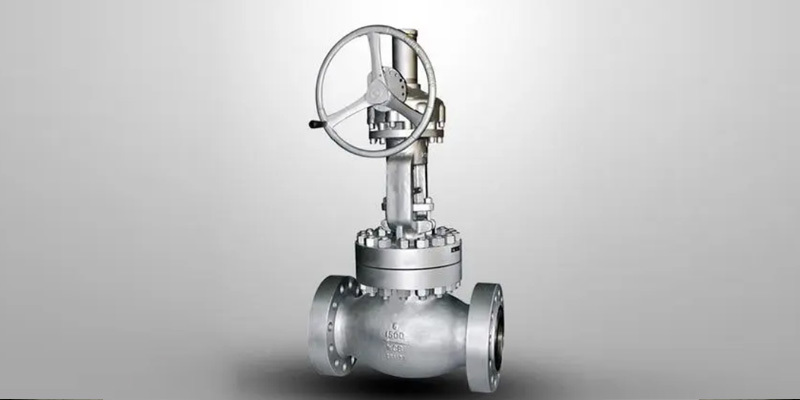
- **Globe Valves:** Known for their excellent throttling capabilities, globe valves are ideal for applications requiring fine flow control.
- **Ball Valves:** These valves provide quick shut-off and are suitable for on/off control in various systems.
- **Butterfly Valves:** Offering compact design and lightweight construction, butterfly valves are commonly used in large pipelines with low-pressure drops.
4. Advantages of Installing Regulating Valves
Installing regulating valves brings several benefits to industrial systems:
4.1 Enhanced Control Over Flow Rates
Regulating valves provide superior control over fluid flow, allowing operators to fine-tune processes according to specific requirements. By maintaining optimal flow rates, industries can ensure that processes operate at peak performance.
4.2 Improved Process Stability
With the ability to adjust fluid dynamics in real-time, regulating valves contribute to enhanced process stability. This stability reduces fluctuations in pressure and flow, leading to a more consistent output quality.
4.3 Energy Savings and Cost Reduction
By optimizing flow rates and reducing energy wastage, regulating valves can lead to significant cost savings. Industries can lower their utility bills and minimize operational costs, contributing to a more sustainable business model.
4.4 Increased Equipment Lifespan
Consistent flow control reduces the wear and tear on pumps and other equipment, extending their lifespan. With less stress on the system, companies can save on maintenance and replacement costs.
5. Applications of Regulating Valves in Different Industries
Regulating valves find applications in various industrial sectors, each benefiting from their unique capabilities.
5.1 Oil and Gas Industry
In the oil and gas industry, regulating valves are crucial for managing the flow of hydrocarbons at various stages of production and transportation. They help maintain safety and efficiency in operations.
5.2 Water Treatment Plants
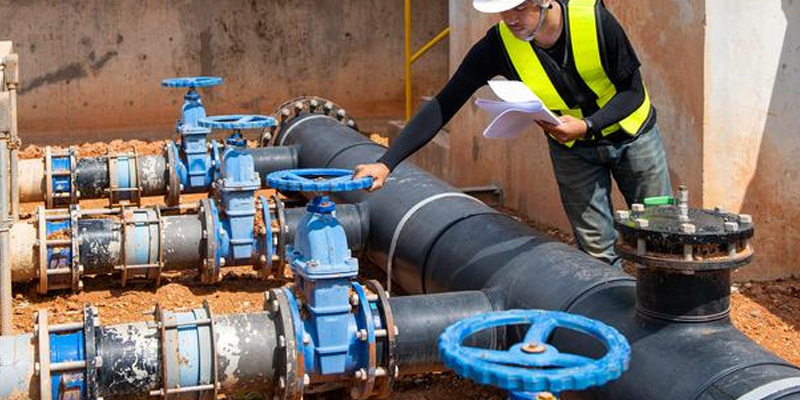
Water treatment facilities utilize regulating valves to control the flow of water through filtration and purification systems. Proper flow management ensures effective treatment and compliance with environmental regulations.
5.3 Chemical Manufacturing
Chemical plants rely on regulating valves to maintain precise chemical dosing and reaction rates. This precision is vital for product quality and safety in chemical processes.
6. Key Considerations When Installing Regulating Valves
To maximize the benefits of regulating valves, it is essential to consider several factors during installation.
6.1 Choosing the Right Valve Type
Selecting the appropriate valve type for your specific application is critical. Factors such as fluid characteristics, temperature, and pressure requirements should be evaluated to ensure optimal performance.
6.2 Proper Sizing and Installation
It’s vital to size the regulating valve correctly for the system. A valve that is too small may restrict flow, while one that is too large may not provide the necessary control. Proper installation techniques also play a role in ensuring efficiency.
7. Maintenance and Troubleshooting of Regulating Valves
Regular maintenance of regulating valves is essential for long-term performance.
7.1 Routine Maintenance Practices
Conducting routine inspections, cleaning, and lubrication ensures that regulating valves operate smoothly. Monitoring for leaks and wear can prevent issues before they escalate.
7.2 Common Issues and Solutions
Some common problems include valve leaks, poor sealing, and responsiveness issues. Troubleshooting these problems often involves inspecting the valve for wear, obstructions, and ensuring proper adjustment settings.
8. Conclusion
The installation of regulating valves in industrial systems is a strategic move toward maximizing efficiency and operational effectiveness. By enhancing flow control, stabilizing processes, and contributing to cost savings, regulating valves prove to be invaluable assets for various industries. As we continue to seek ways to improve industrial operations, investing in high-quality regulating valves remains a key consideration for achieving long-term success.
9. Frequently Asked Questions (FAQs)
1. What are the main functions of regulating valves?
Regulating valves primarily control the flow rate and pressure of fluids in industrial systems, ensuring optimal performance.
2. How do I know which type of regulating valve to choose for my application?
Selecting the right valve depends on factors such as fluid type, temperature, and pressure requirements. Consulting with an industry expert can help in making the right choice.
3. Can regulating valves help reduce energy consumption?
Yes, by optimizing flow rates and reducing wastage, regulating valves can lead to significant energy savings.
4. How often should I maintain my regulating valves?
Regular maintenance should occur at least annually, with more frequent checks recommended in high-demand applications.
5. What are common issues with regulating valves?
Common issues include leaks, poor sealing, and responsiveness problems. Routine maintenance can help prevent these issues.
By understanding the multifaceted benefits of regulating valves, industries can make informed decisions that enhance operational efficiency, reduce costs, and improve sustainability.
Key words:
More news
Essential Installation Tips for Two-Piece Flanged Ball Valves in Industrial Settings
Understanding Cast Steel Floating Ball Valves: Key Features and Applications
Floating Ball Valve vs. Traditional Valves: What You Need to Know for Optimal Performance
Maximizing Reliability: How Customized Regulating Valves Enhance System Performance
Top Features to Look for in China’s Automatic Water Control Valves
Key Features to Look for in Quality Industrial Control Valves

National sales hotline 7*24 hours
Address: 801-805 Jingshan Road, Guannan Industrial Zone, jimei district, Xiamen City


