

-
General Purpose Valve Series Butterfly valve series Ball valve series Hydraulic control valve series Corrosion-resistant valve series Bellows valve series Regulating valve seriesThree eccentric butterfly valve series Two-way double eccentric metal hard seal butterfly valve Soft seal butterfly valve series Other Butterfly Valve SeriesHydraulic control valve series Multi-function water control valve Elastic Seated Gate Valve On-off electric valve

- All
- Product Management
- News
- Introduction
- Enterprise outlets
- FAQ
- Enterprise Video
- Enterprise Atlas
Common Issues with Industrial Control Valves and How to Solve Them
Release time:
May 05,2025
Common Issues with Industrial Control Valves and How to Solve Them
Table of Contents
- Understanding Industrial Control Valves
- Importance of Control Valves in Industrial Processes
- Common Issues with Industrial Control Valves
- Valve Leakage
- Sticking Valves
- Noise and Vibration Issues
- Control Valve Failure Due to Wear
- Inaccurate Flow Control
- Troubleshooting Techniques for Control Valves
- Preventive Maintenance for Control Valves
- Best Practices for Choosing Control Valves
- Conclusion
- FAQs
Understanding Industrial Control Valves
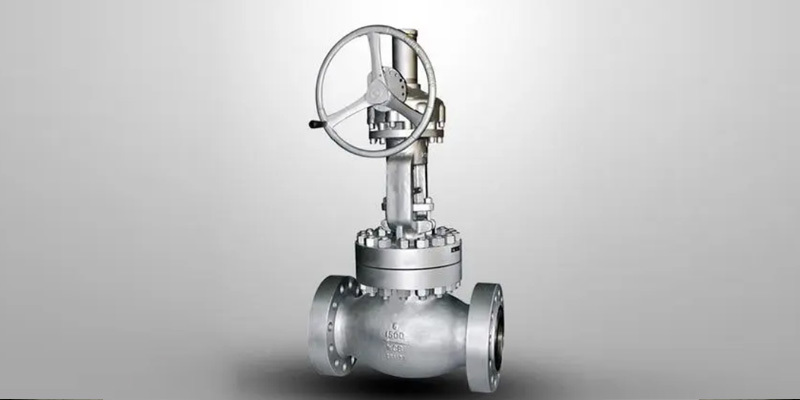
Industrial control valves are essential components in various manufacturing processes, regulating the flow of liquids and gases. These valves play a crucial role in maintaining optimal operational conditions, ensuring that systems run smoothly and efficiently. Understanding how these valves function is vital for identifying issues and implementing effective solutions.
Importance of Control Valves in Industrial Processes
Control valves enhance the effectiveness of industrial systems by managing flow rates, pressure, and temperature. A well-functioning control valve contributes to energy savings, improved safety, and process efficiency. By properly regulating flow, these valves help maintain product quality and operational consistency, making them indispensable in industries such as oil and gas, chemical manufacturing, and water treatment.
Common Issues with Industrial Control Valves
Despite their importance, control valves can encounter several issues that impede their operation. Identifying these problems quickly is essential for minimizing downtime and ensuring the efficiency of industrial processes.
Valve Leakage
Valve leakage is one of the most common problems affecting industrial control valves. It occurs when the valve fails to seal properly, leading to unwanted flow through the valve body. Leakage can result from various factors, including wear and tear, corrosion, and improper seating of the valve disc.
**Solution:** To address leakage, it is crucial to regularly inspect valves for signs of wear and damage. Replace faulty seals and ensure proper installation to achieve an effective seal. Additionally, consider using valves with improved sealing technologies designed to minimize leakage.
Sticking Valves
Sticking occurs when a valve does not respond to actuator commands, causing it to remain in a fixed position. This issue can result from dirt buildup, corrosion, or a faulty actuator. Sticking valves can severely impact process control and lead to operational inefficiencies.
**Solution:** Regular maintenance, including cleaning and lubrication, can prevent sticking. If sticking persists, consider replacing components such as the actuator or valve seat that may be causing the problem. Implementing a more thorough inspection schedule can also identify early signs of sticking.
Noise and Vibration Issues
Excessive noise and vibration can indicate problems with control valves, often caused by cavitation or flow turbulence. These conditions not only affect operational efficiency but can also lead to premature wear and failures.
**Solution:** To mitigate noise and vibration issues, assess the flow conditions and ensure the valve is appropriately sized for the application. Installing shock absorbers or dampers can also help reduce vibration. Engaging in regular monitoring can help detect and resolve these issues before they escalate.
Control Valve Failure Due to Wear
Over time, control valves may experience wear due to constant movement and exposure to harsh operating conditions. This wear can lead to diminished performance and eventual failure.
**Solution:** Implement a proactive maintenance strategy that includes regular inspections and replacements of worn components. Utilizing high-quality materials resistant to wear and tear can extend the lifespan of control valves.
Inaccurate Flow Control
Inaccurate flow control can arise from various factors, including valve malfunction, improper tuning of control loops, or external influences like pressure fluctuations. This can result in inconsistent product quality and operational disruptions.
**Solution:** To rectify flow control issues, perform regular tuning of control systems to ensure optimal performance. Analyzing flow data can reveal patterns that may aid in troubleshooting. In some cases, upgrading to advanced control systems can provide better precision.
Troubleshooting Techniques for Control Valves
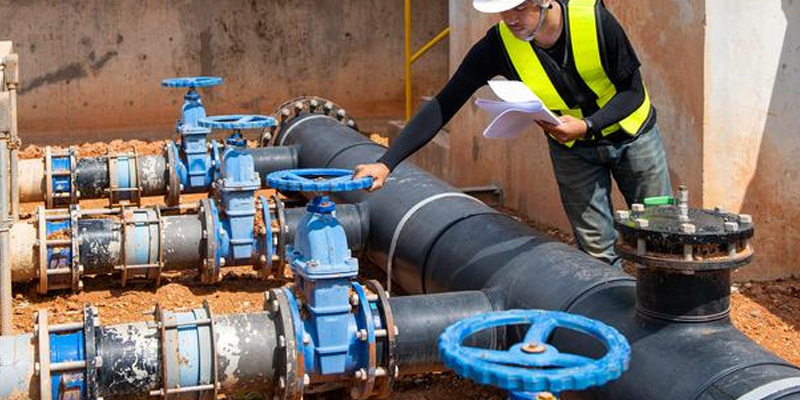
When faced with control valve issues, implementing effective troubleshooting techniques is crucial for restoring normal operations. Begin by conducting a thorough inspection, examining for visible signs of wear, and using diagnostic tools to gather performance data.
**1. Visual Inspection:** Always start with a visual inspection. Look for leaks, corrosion, and loose fittings.
**2. Performance Monitoring:** Use gauges and sensors to monitor valve performance. Pay attention to changes in flow rates, pressure readings, and temperature.
**3. Diagnostic Tools:** Leverage diagnostic tools and software for an in-depth analysis of valve performance, identifying areas of concern that require attention.
**4. Consult Manufacturer Specifications:** Refer to the manufacturer's guidelines for troubleshooting specific issues related to valve types.
Preventive Maintenance for Control Valves
A proactive approach to maintenance can significantly reduce the frequency and severity of control valve issues. Implementing a systematic preventive maintenance program includes:
**1. Scheduled Inspections:** Regular inspections help identify potential problems early. Create an inspection schedule based on the valve's operating conditions and service history.
**2. Cleaning and Lubrication:** Maintain cleanliness by regularly cleaning control valves to prevent dirt buildup. Lubricate moving parts to ensure smooth operation.
**3. Calibration:** Regularly calibrate control valves to ensure accurate performance. This might involve adjusting the actuator and tuning control loops.
**4. Training Staff:** Ensure that personnel are trained in valve operation and maintenance procedures. Knowledgeable staff can quickly identify and address issues before they escalate.
Best Practices for Choosing Control Valves
Selecting the appropriate control valve for a particular application is crucial for minimizing future issues. Consider the following best practices:
**1. Understand Your Application:** Assess the specific requirements of your process, including pressure, temperature, fluid characteristics, and flow rates.
**2. Valve Type:** Choose the valve type best suited for your application, whether it be a globe valve, ball valve, or butterfly valve. Each type has unique characteristics that make it suitable for certain conditions.
**3. Material Selection:** Select materials that can withstand the chemical and physical properties of the fluids being handled. This will enhance durability and reduce the chance of corrosion or wear.
**4. Size Appropriately:** Ensure that the valve size is appropriate for the flow requirements. An improperly sized valve can lead to control issues and inefficiencies.
**5. Consult Experts:** Whenever possible, consult with valve manufacturers or industry experts to make informed decisions based on the latest technologies and innovations.
Conclusion
Understanding and addressing the common issues associated with industrial control valves is essential for maintaining operational efficiency and performance. Regular maintenance, proper selection, and timely troubleshooting can mitigate these issues, enhancing the longevity of control valves. By applying the best practices outlined in this article, we can ensure that our industrial processes run smoothly, safely, and efficiently.
FAQs
**1. What are the primary functions of control valves in industrial systems?**
Control valves regulate flow, pressure, and temperature in various industrial processes to maintain optimal operating conditions.
**2. How can I identify if my control valve is leaking?**
Look for visible signs of leakage, listen for hissing or whistling sounds, and monitor flow rates and pressure drops for discrepancies.
**3. What are the signs of a sticking control valve?**
A sticking valve may not respond to commands, may exhibit erratic behavior, or may require excessive force to operate.
**4. How often should I perform maintenance on my control valves?**
Maintenance frequency depends on several factors, including operating conditions and valve type, but a regular schedule (e.g., quarterly or biannually) is recommended.
**5. Can I upgrade my existing control valves?**
Yes, upgrading components such as actuators, control systems, or even replacing the entire valve with a more advanced option can enhance performance and reliability.
Key words:
More news
Essential Installation Tips for Two-Piece Flanged Ball Valves in Industrial Settings
Understanding Cast Steel Floating Ball Valves: Key Features and Applications
Floating Ball Valve vs. Traditional Valves: What You Need to Know for Optimal Performance
Maximizing Reliability: How Customized Regulating Valves Enhance System Performance
Top Features to Look for in China’s Automatic Water Control Valves
Key Features to Look for in Quality Industrial Control Valves

National sales hotline 7*24 hours
Address: 801-805 Jingshan Road, Guannan Industrial Zone, jimei district, Xiamen City


