

-
General Purpose Valve Series Butterfly valve series Ball valve series Hydraulic control valve series Corrosion-resistant valve series Bellows valve series Regulating valve seriesThree eccentric butterfly valve series Two-way double eccentric metal hard seal butterfly valve Soft seal butterfly valve series Other Butterfly Valve SeriesHydraulic control valve series Multi-function water control valve Elastic Seated Gate Valve On-off electric valve

- All
- Product Management
- News
- Introduction
- Enterprise outlets
- FAQ
- Enterprise Video
- Enterprise Atlas
A Comprehensive Guide to Regulating Valve Maintenance: Ensuring Efficiency and Longevity
Release time:
May 07,2025
A Comprehensive Guide to Regulating Valve Maintenance
Table of Contents
1. Introduction to Regulating Valves
2. Importance of Regular Maintenance
3. Common Types of Regulating Valves
4. Essential Maintenance Practices
4.1 Routine Inspections and Checks
4.2 Lubrication and Part Replacement
4.3 Cleaning and Debris Removal
5. Troubleshooting Common Valve Issues
5.1 Identifying Leaks
5.2 Addressing Performance Issues
5.3 Noise and Vibration Concerns
6. Advanced Maintenance Techniques
7. Best Practices for Valve Longevity
8. Conclusion
9. FAQs
1. Introduction to Regulating Valves
Regulating valves play a pivotal role in managing the flow of liquids and gases in various industrial systems. These valves ensure that processes operate smoothly and efficiently by controlling pressure, flow rate, and temperature. Understanding the fundamentals of regulating valves is crucial for anyone involved in industrial operations, as it lays the groundwork for effective maintenance and troubleshooting.
2. Importance of Regular Maintenance
Regular maintenance of regulating valves is not merely a recommendation; it is essential for ensuring operational efficiency and safety. Neglecting maintenance can lead to performance degradation, costly downtime, and even catastrophic failures. By committing to a comprehensive maintenance schedule, industries can enhance the reliability of their systems, reduce repair costs, and extend the lifespan of their equipment.
3. Common Types of Regulating Valves
Before diving into maintenance practices, it's important to recognize the different types of regulating valves commonly used in industrial settings:
3.1 Globe Valves
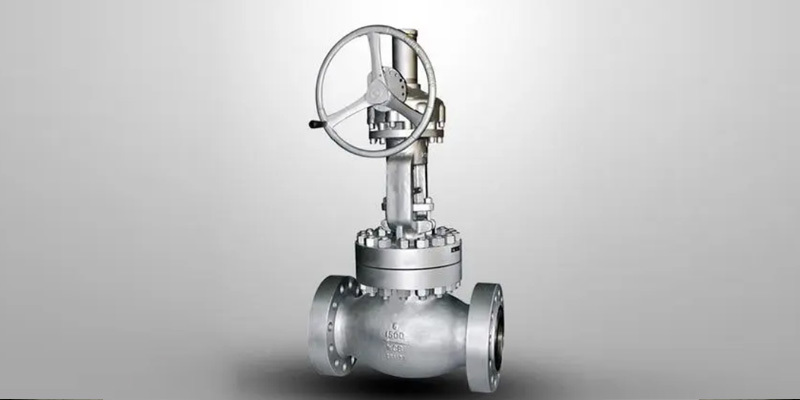
Globe valves are well-known for their ability to provide precise flow control. They are ideal for applications requiring throttling, making them a popular choice in various industries.
3.2 Ball Valves
Ball valves are favored for their quick operation and minimal pressure drop. These valves are typically used in on/off applications, but certain designs allow for flow regulation.
3.3 Butterfly Valves
Butterfly valves are lightweight and compact, making them suitable for large pipelines. They are often used in scenarios where rapid opening and closing is necessary.
3.4 Check Valves
Check valves are designed to prevent backflow in a system. While they don't directly regulate flow, their maintenance is crucial for overall system integrity.
4. Essential Maintenance Practices
Implementing essential maintenance practices can significantly enhance the performance and lifespan of regulating valves. Here are some crucial steps:
4.1 Routine Inspections and Checks
Regular inspections should be part of any maintenance schedule. During these inspections, technicians should:
- Examine valve body and actuator for signs of wear or damage.
- Check for leaks around seals and connections.
- Ensure that the valve opens and closes smoothly without obstruction.
4.2 Lubrication and Part Replacement
Proper lubrication of moving parts is essential to prevent wear and ensure smooth operation. Key steps include:
- Identifying lubrication points on the valve and applying appropriate lubricants.
- Replacing worn-out components such as seals, gaskets, and O-rings promptly.
4.3 Cleaning and Debris Removal
Debris accumulation can hinder a valve's performance. Regular cleaning procedures should involve:
- Removing any accumulated dirt, dust, or grime from the valve exterior.
- Flushing the valve internals to eliminate any particles that could obstruct flow.
5. Troubleshooting Common Valve Issues
Despite diligent maintenance, issues can occasionally arise with regulating valves. Here's how to troubleshoot some common problems:
5.1 Identifying Leaks
Leaks can significantly impact system efficiency. To identify leaks:
- Use leak detection solutions or soapy water along joints and seals.
- Monitor pressure drops in the system, which may indicate a leak’s presence.
5.2 Addressing Performance Issues
If a valve isn’t performing as expected, consider:
- Verifying that the actuator is functioning correctly.
- Checking for obstructions or debris within the valve that may affect flow.
5.3 Noise and Vibration Concerns
Unusual noises or vibrations can signal underlying issues. Possible actions include:
- Inspecting for loose fittings or mounting hardware.
- Ensuring that the valve is aligned properly within the pipeline.
6. Advanced Maintenance Techniques
For industries that rely heavily on regulating valves, advanced maintenance techniques can lead to improved performance and reliability. Consider the following:
- Implementing predictive maintenance strategies that utilize sensors and data analytics to anticipate failures before they occur.
- Conducting regular performance benchmarking to identify trends and deviations in valve operation.
7. Best Practices for Valve Longevity
To ensure the longevity of regulating valves, it is essential to adhere to best practices:
- Establish a comprehensive maintenance schedule that accounts for the specific operating conditions of the valve.
- Train personnel on proper valve operation and maintenance techniques to minimize human error.
- Keep detailed records of maintenance activities, inspections, and repairs for future reference.
8. Conclusion
Maintaining regulating valves is a critical aspect of ensuring operational efficiency and safety in industrial settings. By implementing routine inspections, addressing common issues, and adhering to best practices, industries can significantly enhance the longevity and performance of their valves. Investing time and resources into comprehensive valve maintenance not only prevents costly failures but also supports sustainable operational practices.
9. FAQs
What is the primary function of a regulating valve?
The primary function of a regulating valve is to control the flow rate, pressure, or temperature of fluids in a system, ensuring optimal performance of industrial processes.
How often should regulating valves be inspected?
Regulating valves should ideally be inspected at least quarterly, though the frequency may vary based on operational conditions and manufacturer recommendations.
What are common signs that a regulating valve needs maintenance?
Common signs include unusual noises, leaks, performance degradation, and failure to open or close properly.
Can I perform maintenance on regulating valves myself?
While some maintenance tasks can be performed by trained personnel, it is advisable to consult with professionals for complex repairs or when in doubt.
What are the risks of neglecting valve maintenance?
Neglecting valve maintenance can lead to decreased efficiency, expensive downtime, potential safety hazards, and ultimately, increased operational costs.
Key words:
More news
Essential Installation Tips for Two-Piece Flanged Ball Valves in Industrial Settings
Understanding Cast Steel Floating Ball Valves: Key Features and Applications
Floating Ball Valve vs. Traditional Valves: What You Need to Know for Optimal Performance
Maximizing Reliability: How Customized Regulating Valves Enhance System Performance
Top Features to Look for in China’s Automatic Water Control Valves
Key Features to Look for in Quality Industrial Control Valves

National sales hotline 7*24 hours
Address: 801-805 Jingshan Road, Guannan Industrial Zone, jimei district, Xiamen City


