

-
General Purpose Valve Series Butterfly valve series Ball valve series Hydraulic control valve series Corrosion-resistant valve series Bellows valve series Regulating valve seriesThree eccentric butterfly valve series Two-way double eccentric metal hard seal butterfly valve Soft seal butterfly valve series Other Butterfly Valve SeriesHydraulic control valve series Multi-function water control valve Elastic Seated Gate Valve On-off electric valve

- All
- Product Management
- News
- Introduction
- Enterprise outlets
- FAQ
- Enterprise Video
- Enterprise Atlas
Innovations in Industrial Control Valve Technology: What You Need to Know
Release time:
May 15,2025
Innovations in Industrial Control Valve Technology: What You Need to Know
Table of Contents
- Introduction to Industrial Control Valves and Their Importance
- Recent Innovations in Control Valve Design
- Integration of IoT in Control Valve Technology
- The Role of Artificial Intelligence in Control Valve Operations
- Energy Efficiency and Sustainability in Control Valve Technology
- Applications Across Industries
- Challenges and Considerations in Modern Control Valve Technology
- FAQs About Industrial Control Valve Innovations
- Conclusion: Embracing the Future of Control Valve Technology
Introduction to Industrial Control Valves and Their Importance
Industrial control valves are critical components in process automation, regulating the flow of fluids in various systems. They play an essential role in enhancing efficiency, safety, and reliability across numerous industries. As technology progresses, these valves evolve, leading to innovations that improve their performance and functionality.
Recent Innovations in Control Valve Design
The landscape of industrial control valves is changing rapidly due to advancements in technology and materials. Innovations aim to enhance performance, reduce maintenance, and increase adaptability to complex systems.
Smart Control Valves: The Future of Automation
Smart control valves integrate advanced sensors and digital communication technologies, allowing for real-time monitoring and control. These valves can automatically adjust their position based on data from various sources, ensuring optimal performance. Benefits include:
- Improved Accuracy: Smart valves provide precise flow control, minimizing waste and enhancing process efficiency.
- Remote Monitoring: Operators can access performance data remotely, reducing the need for on-site inspections.
- Predictive Maintenance: By analyzing data trends, smart valves can alert operators to potential issues before they lead to failures.
Advanced Materials for Enhanced Performance
The choice of materials in control valve manufacturing significantly affects their performance and durability. Recent innovations include:
- Corrosion-Resistant Alloys: These materials extend the lifespan of valves operating in harsh environments, reducing the frequency of replacements.
- Lightweight Composites: Composites help in reducing the weight of valves, making installation easier and more cost-effective.
- Smart Coatings: Advances in coating technologies improve resistance to wear and tear, ensuring long-lasting performance.
Integration of IoT in Control Valve Technology
The Internet of Things (IoT) is transforming the industrial landscape, enabling seamless communication between devices. In control valves, IoT integration allows for:
- Enhanced Data Collection: Continuous data gathering helps in making informed decisions.
- Automatic Adjustments: Valves can autonomously adjust based on real-time data, optimizing performance.
- Remote Diagnostics: Operators can diagnose issues without being physically present, increasing operational efficiency.
The Role of Artificial Intelligence in Control Valve Operations
Artificial intelligence (AI) is increasingly being incorporated into control valve systems, providing advanced analytics that improve decision-making. AI can enhance operations by:
- Optimizing Control Strategies: AI algorithms analyze vast amounts of data to recommend the best operational strategies, improving efficiency.
- Predictive Analytics: By predicting performance issues, AI can help in planning maintenance activities, reducing downtime.
Energy Efficiency and Sustainability in Control Valve Technology
With growing emphasis on sustainability, control valve innovations are increasingly focused on energy efficiency. Key advancements include:
- Energy-Efficient Designs: Modern valves are designed to minimize energy consumption while maintaining high performance.
- Recyclable Materials: The use of recyclable materials in manufacturing promotes sustainability and reduces environmental impact.
Applications Across Industries
Industrial control valves find applications in various sectors, each benefiting from the latest innovations.
Oil and Gas
In the oil and gas industry, control valves are crucial for managing flow and pressure in pipelines. Innovations in valve technology enhance safety and operational efficiency, reducing the risk of leaks and spills.
Water Treatment
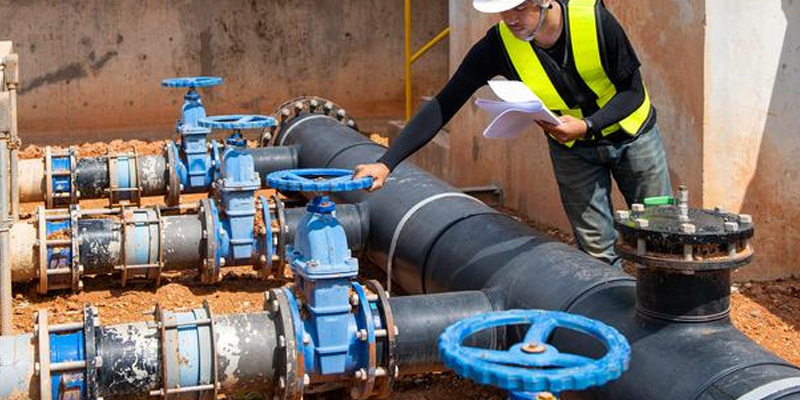
Control valves play a vital role in water treatment plants by regulating the flow of water and chemicals. Advanced control valves ensure optimal chemical dosing and maintain water quality standards.
Food and Beverage
In the food and beverage sector, hygienic design and material selection are paramount. Innovations in control valves support stringent hygiene standards while ensuring efficient processing and bottling operations.
Challenges and Considerations in Modern Control Valve Technology
Despite their benefits, several challenges remain in the adoption of innovative control valve technologies:
- High Initial Costs: The deployment of advanced control valve systems often comes with significant upfront costs.
- Integration with Legacy Systems: Updating existing systems to incorporate new technologies can be complex and costly.
FAQs About Industrial Control Valve Innovations
1. What are control valves used for?
Control valves are used to regulate the flow of liquids and gases in various industrial processes, helping to maintain desired levels of pressure, temperature, and flow rate.
2. How do smart control valves work?
Smart control valves utilize sensors and digital technology to monitor and adjust their performance in real time, optimizing flow control while providing data for analysis.
3. What materials are best for control valves?
Corrosion-resistant alloys and lightweight composites are among the best materials for control valves, as they enhance durability and performance in harsh operating environments.
4. How does IoT enhance control valve technology?
IoT enhances control valve technology by enabling remote monitoring, data collection, and real-time adjustments, improving efficiency and reducing maintenance needs.
5. What industries utilize control valves?
Control valves are utilized in various industries, including oil and gas, water treatment, food and beverage, chemical processing, and manufacturing.
Conclusion: Embracing the Future of Control Valve Technology
The innovations in industrial control valve technology are reshaping how industries operate, enhancing efficiency, safety, and sustainability. As technologies such as smart valves, IoT, and AI continue to evolve, they promise to revolutionize process automation further. By staying informed on these developments, industries can embrace the future of control valve technology, ensuring they remain competitive and effective in their operations.
Key words:
More news
Essential Installation Tips for Two-Piece Flanged Ball Valves in Industrial Settings
Understanding Cast Steel Floating Ball Valves: Key Features and Applications
Floating Ball Valve vs. Traditional Valves: What You Need to Know for Optimal Performance
Maximizing Reliability: How Customized Regulating Valves Enhance System Performance
Top Features to Look for in China’s Automatic Water Control Valves
Key Features to Look for in Quality Industrial Control Valves

National sales hotline 7*24 hours
Address: 801-805 Jingshan Road, Guannan Industrial Zone, jimei district, Xiamen City


