

-
General Purpose Valve Series Butterfly valve series Ball valve series Hydraulic control valve series Corrosion-resistant valve series Bellows valve series Regulating valve seriesThree eccentric butterfly valve series Two-way double eccentric metal hard seal butterfly valve Soft seal butterfly valve series Other Butterfly Valve SeriesHydraulic control valve series Multi-function water control valve Elastic Seated Gate Valve On-off electric valve

- All
- Product Management
- News
- Introduction
- Enterprise outlets
- FAQ
- Enterprise Video
- Enterprise Atlas
How Regulating Valves Enhance Efficiency in Process Automation
Release time:
May 17,2025
How Regulating Valves Enhance Efficiency in Process Automation
Table of Contents
- 1. Introduction to Regulating Valves in Process Automation
- 2. What Are Regulating Valves?
- 3. Functions of Regulating Valves in Industrial Settings
- 4. Types of Regulating Valves and Their Applications
- 5. Importance of Regulating Valves in Process Automation
- 6. Key Benefits of Using Regulating Valves for Automation
- 7. Challenges in Implementing Regulating Valves and Solutions
- 8. Future Trends in Regulating Valves for Process Automation
- 9. FAQs about Regulating Valves and Process Automation
- 10. Conclusion
1. Introduction to Regulating Valves in Process Automation
In the realm of industrial automation, **regulating valves** serve as pivotal components that facilitate control over fluid flow and pressure. By precisely managing these parameters, they play a crucial role in enhancing system efficiency, ensuring safety, and optimizing operational costs. Understanding how these valves function and their applications can significantly impact the performance of automated processes across various industries.
2. What Are Regulating Valves?
Regulating valves are mechanical devices used to control the flow of liquids or gases in a pipeline. They adjust the fluid's pressure and flow rate, enabling operators to maintain desired conditions within a process. These valves respond to signals from controllers and can provide feedback for continuous adjustment, making them integral to **process automation systems**.
2.1 The Mechanism of Operation
The operation of regulating valves can be likened to a gatekeeper. When the valve opens, it allows fluid to flow through a particular pathway, and when it closes, it restricts that flow. The extent of opening or closing is controlled by an actuator, which can be pneumatic, hydraulic, or electric, depending on the specific application and requirements.
3. Functions of Regulating Valves in Industrial Settings
In industrial settings, regulating valves perform multiple essential functions:
3.1 Flow Control
The primary function of these valves is to manage the flow rate of fluids, ensuring that the right amount reaches its destination without causing pressure drops or surges.
3.2 Pressure Regulation
By maintaining consistent pressure levels within pipelines, regulating valves protect equipment from damage and ensure the proper functioning of automated systems.
3.3 Temperature Control
Certain regulating valves are equipped to handle thermal expansion and contraction of fluids, thereby contributing to temperature stability in various processes.
4. Types of Regulating Valves and Their Applications
There are several types of regulating valves, each suited for different applications and environments.
4.1 Globe Valves
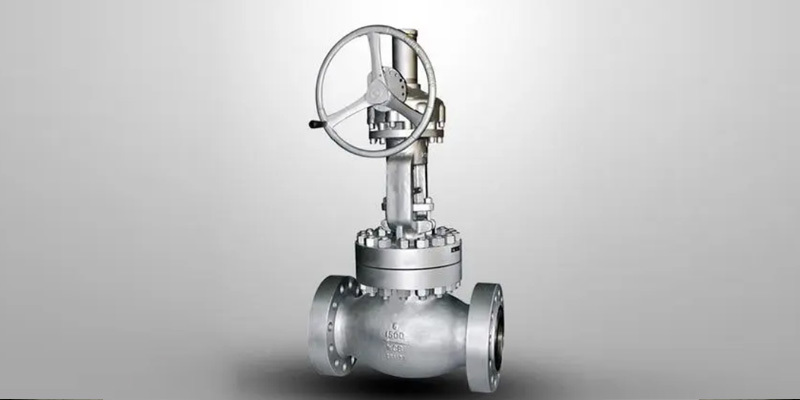
Globe valves are commonly used for flow regulation due to their excellent throttling capabilities. They feature a spherical body and a movable disk that provides precise control over flow rates.
4.2 Ball Valves
Ball valves, while primarily used for on/off control, can also be adapted for flow regulation. Their design allows for quick adjustments, making them suitable for certain automated systems.
4.3 Butterfly Valves
These valves are ideal for large-scale applications where space is a constraint. They provide quick operation and are often used in water distribution systems.
4.4 Diaphragm Valves
Known for their ability to handle corrosive fluids and slurries, diaphragm valves are typically used in the pharmaceutical and food industries, where contamination must be avoided.
5. Importance of Regulating Valves in Process Automation
Regulating valves are indispensable in process automation for several reasons:
5.1 Enhanced Process Control
By ensuring that fluids are delivered at the correct flow rates and pressures, regulating valves contribute to improved process control, which is essential for maintaining product quality.
5.2 Energy Efficiency
Proper regulation of fluid flow can lead to energy savings by minimizing unnecessary consumption. This efficiency contributes to lower operational costs and reduced environmental impact.
5.3 Safety Assurance
In many industries, the failure of a valve can lead to catastrophic results. Regulating valves help in maintaining safe operating conditions, thereby reducing the risk of accidents.
6. Key Benefits of Using Regulating Valves for Automation
Utilizing regulating valves in automated processes offers numerous advantages:
6.1 Improved System Reliability
With the proper selection and maintenance, regulating valves enhance the reliability of an entire automation system, ensuring consistent performance over time.
6.2 Flexibility in Operations
Automated systems benefit from the flexibility provided by regulating valves, allowing for quick adjustments in response to changing process demands.
6.3 Reduced Downtime
When systems are equipped with effective regulating valves, downtime due to flow issues can be significantly reduced, resulting in increased productivity.
7. Challenges in Implementing Regulating Valves and Solutions
While regulating valves are vital for process automation, challenges can arise during their implementation.
7.1 Corrosion and Wear
Exposure to harsh environments can lead to corrosion and wear of valves. Selecting materials that resist corrosion and regular maintenance can mitigate these issues.
7.2 Calibration and Maintenance
Regular calibration is essential to ensure that valves operate optimally. Implementing a scheduled maintenance program can help maintain performance and extend the lifespan of the valves.
8. Future Trends in Regulating Valves for Process Automation
As technology advances, the role of regulating valves in process automation continues to evolve. Key trends include:
8.1 Smart Valves
Integration of IoT technology in regulating valves allows for real-time monitoring and automated adjustments, leading to even greater efficiencies in process automation.
8.2 Advanced Materials
The development of new materials will enhance the durability and performance of regulating valves, enabling them to withstand more extreme conditions.
9. FAQs about Regulating Valves and Process Automation
**Q1: What industries commonly use regulating valves?**
A1: Regulating valves are used across various sectors, including oil and gas, food and beverage, pharmaceuticals, and water treatment.
**Q2: How do I select the right regulating valve for my application?**
A2: Consider factors such as fluid type, pressure, temperature, flow rate, and the specific requirements of your automated system.
**Q3: What maintenance practices are necessary for regulating valves?**
A3: Regular inspections, cleaning, lubrication, and calibration are essential to ensure optimal valve performance.
**Q4: Can regulating valves be automated?**
A4: Yes, many regulating valves can be equipped with actuators and control systems to enable automation.
**Q5: What are the signs of a failing regulating valve?**
A5: Signs include erratic flow rates, pressure fluctuations, unusual noises, and visible leaks.
10. Conclusion
In conclusion, regulating valves play a vital role in process automation by ensuring effective control over fluid dynamics. Their ability to manage flow rates, pressure, and temperature contributes significantly to operational efficiency, safety, and cost-effectiveness. By understanding the various types and functions of regulating valves, industries can harness their potential to optimize automated systems and enhance overall productivity. As technology continues to advance, the future of regulating valves promises even greater innovation and efficiency in industrial applications.
Key words:
More news
Essential Installation Tips for Two-Piece Flanged Ball Valves in Industrial Settings
Understanding Cast Steel Floating Ball Valves: Key Features and Applications
Floating Ball Valve vs. Traditional Valves: What You Need to Know for Optimal Performance
Maximizing Reliability: How Customized Regulating Valves Enhance System Performance
Top Features to Look for in China’s Automatic Water Control Valves
Key Features to Look for in Quality Industrial Control Valves

National sales hotline 7*24 hours
Address: 801-805 Jingshan Road, Guannan Industrial Zone, jimei district, Xiamen City


