

-
General Purpose Valve Series Butterfly valve series Ball valve series Hydraulic control valve series Corrosion-resistant valve series Bellows valve series Regulating valve seriesThree eccentric butterfly valve series Two-way double eccentric metal hard seal butterfly valve Soft seal butterfly valve series Other Butterfly Valve SeriesHydraulic control valve series Multi-function water control valve Elastic Seated Gate Valve On-off electric valve

- All
- Product Management
- News
- Introduction
- Enterprise outlets
- FAQ
- Enterprise Video
- Enterprise Atlas
Key Factors to Consider When Sizing a Regulating Valve: A Comprehensive Guide
Release time:
Jun 06,2025
Key Factors to Consider When Sizing a Regulating Valve
Understanding Regulating Valves and Their Importance
Regulating valves play a pivotal role in controlling the flow and pressure of fluids within industrial systems. They ensure that processes operate smoothly, maintaining desired conditions and preventing potential hazards. Properly sized regulating valves are crucial for system efficiency, longevity, and safety.
The Basics of Valve Sizing
Valve sizing involves determining the appropriate size of the valve to ensure it can handle the required flow rates without causing excessive pressure drops or flow turbulence. This process requires a thorough understanding of several key factors.
1. Flow Rate Requirements
The flow rate is one of the most critical parameters when sizing a regulating valve. It represents the amount of fluid passing through the valve in a given time frame, typically measured in gallons per minute (GPM) or liters per second (L/s). To determine the required flow rate, consider the following:
- **Process Specifications**: Understand the specific requirements of the process. Different applications may necessitate varying flow rates.
- **System Design**: Analyze the system to identify maximum and minimum flow requirements, as well as any potential fluctuations that may occur during operation.
2. Pressure Drop Considerations
Pressure drop refers to the difference in pressure between the inlet and outlet of the valve. A significant pressure drop can lead to inefficiencies and affect overall system performance. Key points to consider include:
- **Static and Dynamic Pressure**: Measure both static (the pressure in a system at rest) and dynamic pressure (pressure when fluid is in motion) to determine the appropriate valve sizing.
- **Acceptable Pressure Drop**: Establish the maximum allowable pressure drop for your application to ensure optimal performance without compromising system integrity.
3. Fluid Characteristics
The type of fluid flowing through the valve significantly influences its sizing. Key characteristics to consider are:
- **Viscosity**: High-viscosity fluids require larger valves to maintain flow rates, while low-viscosity fluids can be managed with smaller sizes.
- **Temperature and Density**: These factors can affect fluid behavior and should be taken into account when determining valve size.
4. Valve Type Selection
Choosing the right type of regulating valve is essential for achieving optimal performance. Common types include:
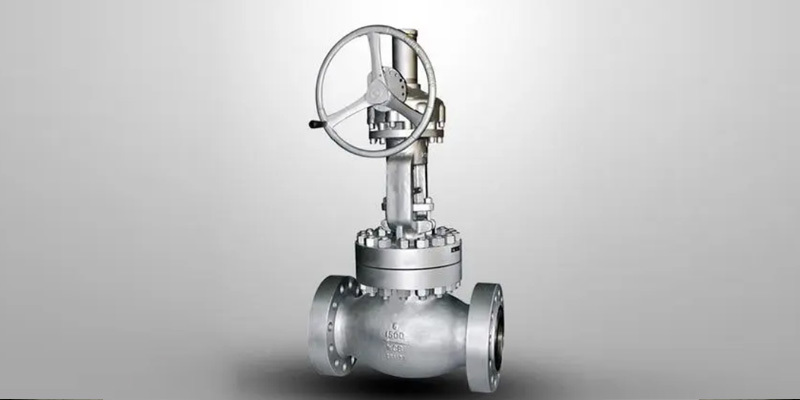
- **Globe Valves**: Ideal for precise flow regulation, globe valves are often used in applications requiring fine control.
- **Ball Valves**: Known for their quick operation and low-pressure drop, ball valves are suitable for on/off control but may not provide the same level of regulation as globe valves.
- **Butterfly Valves**: These valves are lightweight and compact, making them an excellent choice for large flow applications.
Calculating Valve Size: A Step-by-Step Approach
To accurately size a regulating valve, we can follow a systematic approach.
1. Determine the Required Flow Coefficient (Cv)
The flow coefficient (Cv) is a critical value representing the flow capacity of a valve. It can be calculated using the following formula:
Cv = Q / (ΔP / SG)
Where:
- Q = Flow rate (GPM)
- ΔP = Pressure drop across the valve (psi)
- SG = Specific gravity of the fluid
2. Select the Valve Size
Once the Cv is determined, consult manufacturer charts or software that relate Cv values to valve sizes. Choose a valve that meets or slightly exceeds the calculated Cv to ensure efficient performance.
3. Evaluate the Valve's Performance Curve
Understanding the valve's performance curve is essential to ensure it operates effectively within your system. A valve's performance curve showcases how flow rate varies with different pressure drops and can help in making more informed sizing decisions.
Real-World Applications of Regulating Valves
Regulating valves find applications across various industries, including:
1. Water Treatment Facilities
In water treatment, regulating valves maintain consistent flow rates and pressure levels, ensuring efficient processing and treatment of water.
2. Chemical Processing
Chemical plants rely on regulating valves to control the flow of reactive substances, preventing hazardous conditions and ensuring safety.
3. HVAC Systems
In heating, ventilation, and air conditioning (HVAC) systems, regulating valves help maintain indoor climate control by managing airflow and temperature.
Common Mistakes in Valve Sizing
When sizing regulating valves, avoid these common pitfalls:
1. Underestimating Flow Requirements
Failing to accurately gauge flow needs can lead to oversized or undersized valves, resulting in inefficiencies and increased costs.
2. Ignoring Fluid Characteristics
Neglecting the unique properties of the fluid can lead to poor performance and valve failures.
3. Overlooking Maintenance Considerations
Selecting a valve without considering maintenance needs can lead to increased downtime and operational costs.
FAQs About Sizing Regulating Valves
1. What is the primary function of a regulating valve?
The primary function of a regulating valve is to control the flow and pressure of fluids within a system, ensuring stability and efficiency.
2. How do I know if my valve is sized correctly?
A correctly sized valve will maintain the desired flow rate with minimal pressure drop and turbulence. Monitor system performance to ensure optimal operation.
3. Can I use an undersized valve for my application?
Using an undersized valve can lead to increased pressure drops, inefficiencies, and potential damage to the system. It is crucial to size the valve correctly.
4. What role does the specific gravity of a fluid play in valve sizing?
Specific gravity affects the flow coefficient (Cv) calculation and helps determine the valve's capacity to handle different fluids effectively.
5. Are there any software tools available for valve sizing?
Yes, many manufacturers provide software tools and online calculators that aid in the accurate sizing of valves based on specific parameters.
Conclusion
Sizing a regulating valve is a nuanced process that requires careful consideration of multiple factors, including flow rate, pressure drop, fluid characteristics, and valve type. By following the outlined methodologies and avoiding common mistakes, engineers can ensure they select the right valve for their applications, optimizing system performance and efficiency. Through a thorough understanding of these key factors, you can enhance your decision-making process and contribute to the success of your industrial operations.
Key words:
More news
Essential Installation Tips for Two-Piece Flanged Ball Valves in Industrial Settings
Understanding Cast Steel Floating Ball Valves: Key Features and Applications
Floating Ball Valve vs. Traditional Valves: What You Need to Know for Optimal Performance
Maximizing Reliability: How Customized Regulating Valves Enhance System Performance
Top Features to Look for in China’s Automatic Water Control Valves
Key Features to Look for in Quality Industrial Control Valves

National sales hotline 7*24 hours
Address: 801-805 Jingshan Road, Guannan Industrial Zone, jimei district, Xiamen City


