

-
General Purpose Valve Series Butterfly valve series Ball valve series Hydraulic control valve series Corrosion-resistant valve series Bellows valve series Regulating valve seriesThree eccentric butterfly valve series Two-way double eccentric metal hard seal butterfly valve Soft seal butterfly valve series Other Butterfly Valve SeriesHydraulic control valve series Multi-function water control valve Elastic Seated Gate Valve On-off electric valve

- All
- Product Management
- News
- Introduction
- Enterprise outlets
- FAQ
- Enterprise Video
- Enterprise Atlas
How Globe Butterfly Valves Enhance Efficiency in Fluid Control
Release time:
Jun 12,2025
How Globe Butterfly Valves Enhance Efficiency in Fluid Control
Table of Contents
1. Introduction to Globe Butterfly Valves
2. The Science Behind Fluid Control
3. Key Features of Globe Butterfly Valves
3.1 Design and Construction
3.2 Operating Mechanism
4. Advantages of Using Globe Butterfly Valves
4.1 Enhanced Flow Efficiency
4.2 Reduced Pressure Loss
4.3 Versatility in Applications
5. Applications of Globe Butterfly Valves in Industry
5.1 Water and Wastewater Management
5.2 Oil and Gas Sector
5.3 Chemical Processing
6. Maintenance of Globe Butterfly Valves
7. Frequently Asked Questions
8. Conclusion
1. Introduction to Globe Butterfly Valves
In the realm of fluid control, the **globe butterfly valve** stands out as a pivotal component. These valves are designed to regulate the flow of liquids and gases in various industrial applications. Their unique construction allows for a significant reduction in energy consumption while ensuring optimal fluid management. Understanding the intricacies of globe butterfly valves is essential for industries that rely on precise fluid control mechanisms, making them a vital topic of discussion.
2. The Science Behind Fluid Control
Fluid control is an integral part of many industrial processes. It involves managing the flow rate, pressure, and direction of fluids. The effectiveness of fluid control systems significantly impacts operational efficiency, safety, and environmental sustainability. **Globe butterfly valves** play a crucial role in this equation by providing a reliable means to control flow with minimal resistance.
3. Key Features of Globe Butterfly Valves
Globe butterfly valves boast several distinctive features that enhance their functionality and efficiency in fluid control.
3.1 Design and Construction
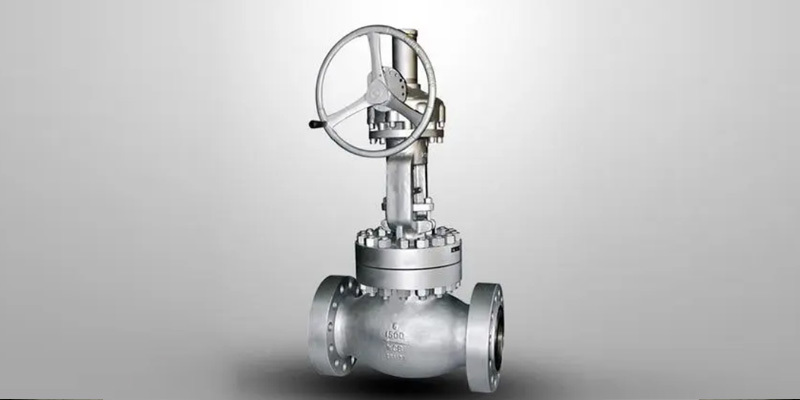
The design of a globe butterfly valve typically includes a disc positioned in the flow path. This disc rotates to either allow or obstruct fluid flow. The materials used for construction, such as stainless steel or cast iron, ensure durability and resistance to corrosion, making these valves suitable for various environmental conditions.
3.2 Operating Mechanism
The operating mechanism of globe butterfly valves is straightforward yet effective. When actuated, the disc pivots around a central axis, either completely opening or closing the valve. This mechanism provides swift control over the flow, allowing for quick adjustments in response to system demands.
4. Advantages of Using Globe Butterfly Valves
Employing globe butterfly valves in fluid control systems offers numerous benefits, making them a preferred choice across various industries.
4.1 Enhanced Flow Efficiency
One of the primary advantages of globe butterfly valves is their ability to enhance flow efficiency. Their design minimizes turbulence and allows for smoother fluid passage, which is crucial in applications requiring precise flow rates.
4.2 Reduced Pressure Loss
Globe butterfly valves are engineered to reduce pressure loss in fluid systems. Unlike traditional valves that can create significant backpressure, these valves maintain a more consistent pressure level, contributing to energy savings and improved system performance.
4.3 Versatility in Applications
The versatility of globe butterfly valves is another key advantage. Whether used in water treatment plants, chemical processing facilities, or oil and gas operations, these valves can adapt to various environments, fluid types, and pressures, making them indispensable components in fluid control systems.
5. Applications of Globe Butterfly Valves in Industry
Globe butterfly valves find applications across a wide range of industries due to their efficiency and reliability.
5.1 Water and Wastewater Management
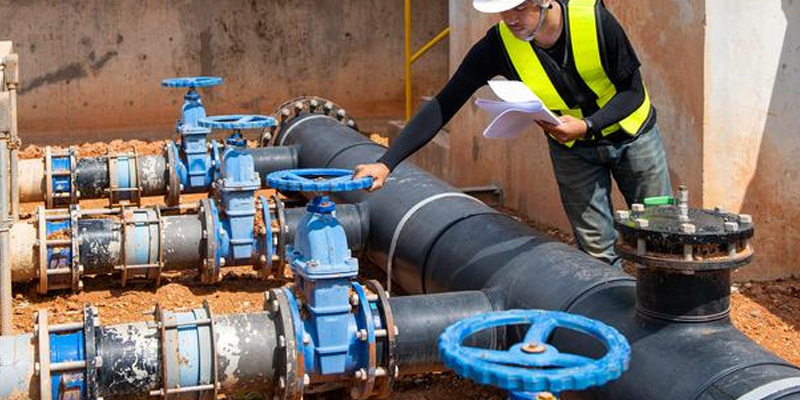
In water and wastewater management, globe butterfly valves are used to regulate flow in treatment plants and distribution systems. Their ability to handle varying pressure conditions makes them ideal for maintaining optimal flow rates in these critical applications.
5.2 Oil and Gas Sector
In the oil and gas sector, the demand for effective fluid control is paramount. Globe butterfly valves are utilized for their robustness and reliability in managing the flow of hydrocarbons and other fluids, ensuring operational safety and efficiency.
5.3 Chemical Processing
Chemical processing facilities rely heavily on precise fluid control to ensure product quality and safety. Globe butterfly valves are employed to navigate the complexities of chemical reactions, helping to maintain consistent flow rates and prevent leaks or spills.
6. Maintenance of Globe Butterfly Valves
Proper maintenance of globe butterfly valves is crucial for sustaining their performance and longevity. Regular inspections, cleaning, and timely replacement of worn components are necessary to prevent malfunctions and ensure reliable operation. Implementing a routine maintenance schedule can significantly extend the lifespan of these valves, contributing to overall system efficiency.
7. Frequently Asked Questions
What materials are globe butterfly valves made from?
Globe butterfly valves are commonly constructed from materials such as stainless steel, cast iron, and plastic, depending on the application and fluid type.
How do globe butterfly valves compare to other valve types?
Globe butterfly valves offer lower pressure loss and better flow efficiency compared to traditional gate or globe valves. They are often preferred for applications requiring quick flow adjustments.
Can globe butterfly valves be used in high-pressure applications?
Yes, globe butterfly valves can be designed to withstand high-pressure environments. It is essential to select the appropriate valve based on the specific pressure and temperature requirements of the application.
What is the difference between manual and automated globe butterfly valves?
Manual globe butterfly valves require human operation to control flow, while automated valves use actuators for remote control, allowing for better integration into automated systems and central control panels.
How often should globe butterfly valves be maintained?
Maintenance frequency depends on the application, but regular inspections and maintenance should be performed at least annually to ensure optimal performance and prevent failures.
8. Conclusion
In summary, **globe butterfly valves** are essential components in the realm of fluid control, offering enhanced efficiency, reduced pressure loss, and versatility across various industries. Their unique design and operating mechanisms make them a superior choice for managing fluid flow in critical applications such as water treatment, oil and gas, and chemical processing. Regular maintenance ensures their longevity and optimal performance, making them a smart investment for any business reliant on effective fluid management. By understanding the benefits and applications of globe butterfly valves, industries can improve their operational efficiency and ensure a sustainable future in fluid control.
Key words:
More news
Essential Installation Tips for Two-Piece Flanged Ball Valves in Industrial Settings
Understanding Cast Steel Floating Ball Valves: Key Features and Applications
Floating Ball Valve vs. Traditional Valves: What You Need to Know for Optimal Performance
Maximizing Reliability: How Customized Regulating Valves Enhance System Performance
Top Features to Look for in China’s Automatic Water Control Valves
Key Features to Look for in Quality Industrial Control Valves

National sales hotline 7*24 hours
Address: 801-805 Jingshan Road, Guannan Industrial Zone, jimei district, Xiamen City


