

-
General Purpose Valve Series Butterfly valve series Ball valve series Hydraulic control valve series Corrosion-resistant valve series Bellows valve series Regulating valve seriesThree eccentric butterfly valve series Two-way double eccentric metal hard seal butterfly valve Soft seal butterfly valve series Other Butterfly Valve SeriesHydraulic control valve series Multi-function water control valve Elastic Seated Gate Valve On-off electric valve

- All
- Product Management
- News
- Introduction
- Enterprise outlets
- FAQ
- Enterprise Video
- Enterprise Atlas
The Science Behind Regulating Valves: How They Work
Release time:
Jun 16,2025
The Science Behind Regulating Valves: How They Work
Table of Contents
- 1. Introduction to Regulating Valves
- 2. What Are Regulating Valves?
- 3. Types of Regulating Valves
- 4. How Do Regulating Valves Work?
- 5. Applications of Regulating Valves
- 6. Benefits of Using Regulating Valves
- 7. Challenges and Solutions in Regulating Valve Applications
- 8. The Future of Regulating Valves: Innovations and Trends
- 9. Frequently Asked Questions (FAQs)
- 10. Conclusion
1. Introduction to Regulating Valves
In various industrial applications, regulating valves play a pivotal role in controlling fluid flow, pressure, and temperature. These components are essential for maintaining the desired operating conditions in systems ranging from water treatment plants to chemical processing facilities. Understanding the science behind these valves not only enhances operational efficiency but also ensures safety and reliability in demanding environments.
2. What Are Regulating Valves?
Regulating valves, commonly referred to as control valves, are devices that manage the flow of fluids within a system. They adjust the flow rate and pressure based on the requirements of the process. By doing so, they help maintain the desired conditions for various applications, ensuring that systems operate smoothly and efficiently.
2.1 Importance of Regulating Valves in Industrial Systems
The importance of regulating valves cannot be overstated. They are integral to numerous processes, including heating, cooling, mixing, and chemical reactions. By controlling the flow of liquids and gases, these valves help minimize waste, enhance efficiency, and improve overall system performance. In industries like oil and gas, pharmaceuticals, and food processing, regulatory compliance often hinges on the effective operation of regulating valves.
3. Types of Regulating Valves
There are several types of regulating valves, each designed for specific applications and operating conditions. Understanding the distinctions among these types can aid in selecting the appropriate valve for a particular task.
3.1 Globe Valves
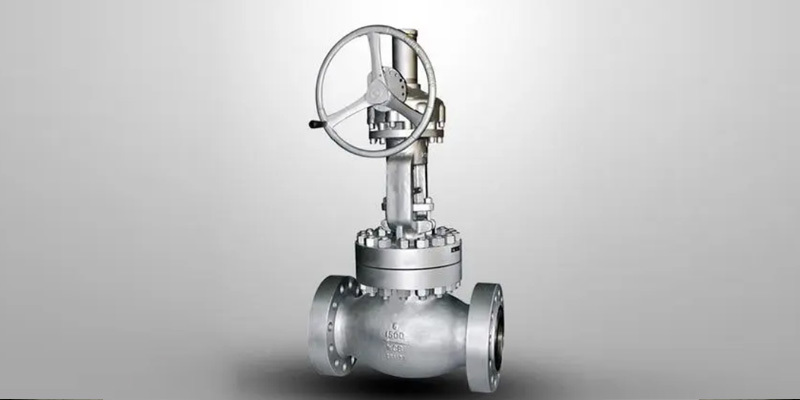
Globe valves are known for their excellent throttling capabilities. Their unique design allows for precise control of flow, making them suitable for applications where accurate regulation is critical. They consist of a spherical body, a movable disk, and an immovable ring seat, which together help manage the flow rate effectively.
3.2 Ball Valves
Ball valves feature a hollow, perforated sphere that can rotate within the valve body to control flow. They are widely used for on/off applications but can also be employed in regulating flow when equipped with specialized actuators. Their quick operation and ability to handle high pressures make them a favorite in many industries.
3.3 Butterfly Valves
Butterfly valves use a rotating disc to regulate flow. They are lightweight, compact, and ideal for large volume applications where rapid opening and closing are required. Their simple design contributes to low maintenance costs and high reliability.
3.4 Pressure Regulating Valves
Pressure regulating valves automatically maintain a set pressure in a system by adjusting the flow based on pressure changes. These valves are crucial in applications where maintaining consistent pressure is vital for operational efficiency and safety.
4. How Do Regulating Valves Work?
Regulating valves operate on a combination of mechanical and electronic principles. Understanding these mechanisms is essential for selecting and maintaining these critical components.
4.1 Mechanical Functions of Regulating Valves
The fundamental operation of a regulating valve involves the movement of a disk or plug to open or close the flow path. The valve's actuator, whether pneumatic, hydraulic, or electric, enables this movement by responding to control signals. As the actuator adjusts the position of the valve, it alters the flow rate and pressure within the system.
4.2 Control Systems Utilized in Regulation
Modern regulating valves often integrate with sophisticated control systems that utilize feedback mechanisms to maintain desired conditions. These systems can include sensors that monitor pressure, temperature, and flow rate, feeding data back to a central control unit. The control unit analyzes this data and sends commands to the valve actuator, ensuring precise regulation of fluid dynamics.
5. Applications of Regulating Valves
Regulating valves find application across a multitude of industries, each demanding specific performance characteristics.
5.1 Water Treatment
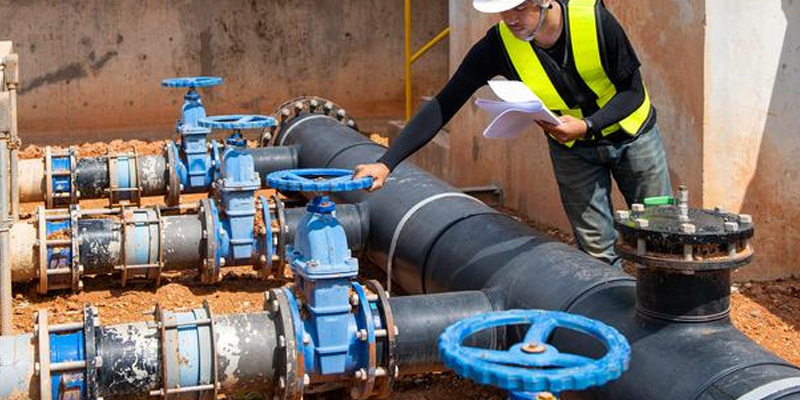
In water treatment facilities, regulating valves play a crucial role in maintaining consistent flow rates during the filtration and purification processes. They help ensure the quality of the treated water while optimizing resource consumption.
5.2 Chemical Processing
Chemical plants rely on regulating valves to manage flow rates during various reactions and processes. Precise control is essential to prevent hazardous situations and to ensure product quality and safety.
5.3 Oil and Gas
In the oil and gas industry, regulating valves are used in drilling, refining, and distribution processes. Their ability to manage high-pressure environments makes them essential for safe operations.
6. Benefits of Using Regulating Valves
The use of regulating valves offers numerous advantages, contributing to enhanced operational efficiency and reliability.
6.1 Improved Efficiency
By providing precise control over flow rates and pressure, regulating valves help optimize resource usage, leading to increased efficiency in industrial processes.
6.2 Enhanced Safety
Regulating valves contribute to system safety by preventing over-pressurization and ensuring that processes operate within safe parameters.
6.3 Cost-Effective Solutions
Investing in high-quality regulating valves can lead to long-term savings through reduced maintenance costs, minimized downtime, and improved energy efficiency.
7. Challenges and Solutions in Regulating Valve Applications
While regulating valves offer significant benefits, they also present challenges that must be addressed.
7.1 Wear and Tear
Regulating valves are subjected to constant mechanical stress, leading to wear and tear over time. Regular maintenance and timely replacements are essential to ensure optimal performance.
7.2 Corrosion
Corrosion can compromise the integrity of regulating valves, particularly in harsh environments. Selecting materials that resist corrosion and implementing protective coatings can mitigate this issue.
8. The Future of Regulating Valves: Innovations and Trends
The landscape of regulating valves is evolving, driven by technological advancements and increasing demand for efficiency.
8.1 Smart Valves
The integration of IoT technology into regulating valves is paving the way for smarter systems that can autonomously adjust operations based on real-time data.
8.2 Sustainability Efforts
As industries increasingly focus on sustainability, regulating valves are being designed with energy efficiency and reduced environmental impact in mind.
9. Frequently Asked Questions (FAQs)
1. What is the primary function of a regulating valve?
The primary function of a regulating valve is to control the flow rate and pressure of fluids within a system, ensuring optimal conditions for various industrial applications.
2. How do I choose the right regulating valve for my application?
Selecting the right regulating valve involves considering factors such as the type of fluid, operating pressure, temperature, and specific application requirements.
3. What maintenance practices are recommended for regulating valves?
Regular inspections, cleaning, and prompt replacement of worn components are recommended maintenance practices to ensure the longevity and efficiency of regulating valves.
4. Can regulating valves be operated manually?
Yes, while many regulating valves are automated, they can also be operated manually, particularly in situations where precise control is necessary.
5. What are the signs that a regulating valve is failing?
Signs of a failing regulating valve may include unusual noises, leaks, inconsistent flow rates, and difficulty in manual operation.
10. Conclusion
Understanding the science behind regulating valves reveals their critical role in various industrial applications. These valves not only enhance operational efficiency and safety but also adapt to the ever-evolving demands of modern industries. With advancements in technology paving the way for smarter solutions, the future of regulating valves looks promising, ensuring they remain indispensable in fluid control systems. As we continue to explore innovative designs and practices, the importance of maximizing the performance of regulating valves cannot be overlooked.
Key words:
More news
Essential Installation Tips for Two-Piece Flanged Ball Valves in Industrial Settings
Understanding Cast Steel Floating Ball Valves: Key Features and Applications
Floating Ball Valve vs. Traditional Valves: What You Need to Know for Optimal Performance
Maximizing Reliability: How Customized Regulating Valves Enhance System Performance
Top Features to Look for in China’s Automatic Water Control Valves
Key Features to Look for in Quality Industrial Control Valves

National sales hotline 7*24 hours
Address: 801-805 Jingshan Road, Guannan Industrial Zone, jimei district, Xiamen City


