

-
General Purpose Valve Series Butterfly valve series Ball valve series Hydraulic control valve series Corrosion-resistant valve series Bellows valve series Regulating valve seriesThree eccentric butterfly valve series Two-way double eccentric metal hard seal butterfly valve Soft seal butterfly valve series Other Butterfly Valve SeriesHydraulic control valve series Multi-function water control valve Elastic Seated Gate Valve On-off electric valve

- All
- Product Management
- News
- Introduction
- Enterprise outlets
- FAQ
- Enterprise Video
- Enterprise Atlas
Innovations in Regulating Valve Technology for Enhanced Performance
Release time:
Jun 26,2025
Innovations in Regulating Valve Technology for Enhanced Performance
Table of Contents
- 1. Introduction to Regulating Valves
- 2. Understanding Regulating Valves
- 3. The Evolution of Regulating Valve Technology
- 4. Key Innovations in Regulating Valve Technology
- 5. Smart Valve Technology: A New Era
- 6. Enhanced Performance Through Material Innovation
- 7. Sustainability in Regulating Valve Design
- 8. Future Trends in Regulating Valve Technology
- 9. FAQs
- 10. Conclusion
1. Introduction to Regulating Valves
Regulating valves play a crucial role in controlling the flow and pressure of fluids within various industrial systems. These valves are designed to adjust the flow rate and maintain pressure levels, ensuring that processes operate at optimal efficiency. With rapid advancements in technology, the performance of regulating valves has significantly improved, resulting in enhanced reliability, efficiency, and sustainability in industrial applications. This article delves into the latest innovations in regulating valve technology, highlighting their impact on performance and operational efficiency.
2. Understanding Regulating Valves
Regulating valves can be defined as devices that modulate fluid flow in response to varying system conditions. They are integral to many industries, including oil and gas, water treatment, and chemical processing. There are several types of regulating valves, including globe valves, ball valves, and butterfly valves, each suited for specific applications based on their unique design and functionality.
2.1 Types of Regulating Valves
Understanding the various types of regulating valves is essential for selecting the right valve for a specific application:
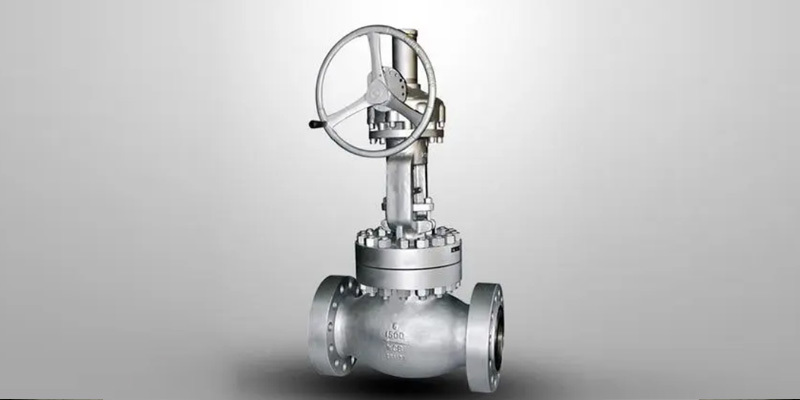
- **Globe Valves**: Ideal for throttling and flow regulation due to their design, which allows for fine adjustments.
- **Ball Valves**: Known for their quick shut-off capabilities, making them suitable for on/off applications.
- **Butterfly Valves**: Lightweight and cost-effective, these valves are often used in large-scale fluid transport systems.
2.2 The Importance of Regulating Valves
Regulating valves are vital for maintaining the desired flow and pressure levels in systems. They ensure the safety and efficiency of processes, reduce energy consumption, and minimize the risk of equipment damage due to pressure fluctuations. As industries aim for higher efficiency and reliability, the role of regulating valves becomes even more pronounced.
3. The Evolution of Regulating Valve Technology
The evolution of regulating valve technology has been marked by significant advancements in design, materials, and control mechanisms. Historically, regulating valves were operated manually, leading to inefficiencies and the potential for human error. The introduction of automation and digital control systems has revolutionized how regulating valves operate, enhancing their performance and reliability.
3.1 Historical Overview
Initially, regulating valves were simple mechanical devices, relying on manual adjustments to control flow. The introduction of pneumatic and hydraulic actuators allowed for more precise control, paving the way for automated systems that could respond to real-time data.
3.2 The Shift Towards Automation
Automation has become a key driver in the evolution of regulating valve technology. Automated valves can be monitored and controlled remotely, allowing for real-time adjustments based on system demands. This capability enhances operational efficiency and reduces the likelihood of human error.
4. Key Innovations in Regulating Valve Technology
Several key innovations have emerged in regulating valve technology, each contributing to enhanced performance and efficiency:
4.1 Digital Control Systems
Digital control systems provide precise regulation of flow and pressure, allowing for rapid adjustments in response to changing conditions. These systems can integrate with existing control architectures, facilitating seamless upgrades to legacy systems.
4.2 Advanced Actuation Technologies
The development of advanced actuation technologies, including electric and smart actuators, has improved the precision and responsiveness of regulating valves. These actuators can be programmed for specific tasks and can communicate with other system components for optimized performance.
4.3 Integration with IoT
The integration of regulating valves with the Internet of Things (IoT) enables real-time monitoring and data collection. This connectivity allows for predictive maintenance, reducing downtime and operational costs.
5. Smart Valve Technology: A New Era
Smart valve technology represents a significant leap forward in regulating valve design and functionality. These valves are equipped with sensors and advanced algorithms that allow them to adapt to changing conditions dynamically.
5.1 Benefits of Smart Valves
- **Real-Time Data Analysis**: Smart valves collect and analyze data in real-time, enabling quick decision-making.
- **Predictive Maintenance**: By monitoring the condition of the valve, potential failures can be identified before they occur, reducing maintenance costs.
- **Enhanced Efficiency**: Smart valves optimize flow control, leading to reduced energy consumption and improved system performance.
5.2 Applications of Smart Valve Technology
Smart valve technology is increasingly being adopted in industries such as oil and gas, pharmaceuticals, and water management. These industries benefit from improved process control, enhanced safety, and reduced operational costs.
6. Enhanced Performance Through Material Innovation
Material innovation is another critical aspect of advancements in regulating valve technology. The selection of materials affects a valve's durability, resistance to corrosion, and overall performance.
6.1 Corrosion-Resistant Materials
The use of advanced materials such as stainless steel, titanium, and specialized coatings enhances the longevity and performance of regulating valves in harsh environments. These materials reduce maintenance needs and extend the life of the valve.
6.2 Lightweight and Durable Materials
Innovations in lightweight materials, such as composites and advanced polymers, have led to the development of valves that are easier to install and maintain, contributing to increased efficiency in industrial processes.
7. Sustainability in Regulating Valve Design
Sustainability has become a critical focus in the design and manufacturing of regulating valves. Companies are increasingly adopting practices that minimize environmental impact while maximizing performance.
7.1 Eco-Friendly Manufacturing Processes
Manufacturers are exploring eco-friendly production methods that reduce waste and energy consumption. These practices not only benefit the environment but also enhance the company's reputation and marketability.
7.2 Energy-Efficient Solutions
The development of energy-efficient regulating valves contributes to reducing the overall carbon footprint of industrial processes. These solutions are designed to optimize fluid flow while minimizing energy use.
8. Future Trends in Regulating Valve Technology
As technology continues to advance, several trends are shaping the future of regulating valve technology:
8.1 Increased Automation and AI Integration
The future will likely see a continued rise in automation and AI integration within regulating valves. This will enhance decision-making processes and allow for even greater levels of control and efficiency.
8.2 Enhanced Collaboration Across Industries
The cross-industry collaboration between valve manufacturers, technology providers, and end-users will foster innovation and lead to the development of even more sophisticated regulating valves.
8.3 Focus on Resilience and Reliability
Future innovations will prioritize resilience and reliability in valve design, ensuring that systems can withstand fluctuations in demand and environmental conditions without compromising performance.
9. FAQs
What are regulating valves used for?
Regulating valves are used to control the flow and pressure of fluids in various industrial applications, ensuring optimal operation and efficiency.
How have regulating valves evolved over time?
Regulating valves have evolved from simple manual devices to automated systems integrated with advanced digital control technologies.
What are the benefits of smart valve technology?
Smart valve technology offers real-time data analysis, predictive maintenance, and enhanced efficiency through precise control.
What materials are commonly used in modern regulating valves?
Modern regulating valves are often made from corrosion-resistant materials such as stainless steel and titanium, as well as lightweight composites for improved performance.
How is sustainability addressed in regulating valve design?
Manufacturers are adopting eco-friendly production processes and creating energy-efficient solutions to minimize the environmental impact of regulating valves.
10. Conclusion
Innovations in regulating valve technology are transforming the landscape of industrial processes, enhancing performance and efficiency in ways previously thought impossible. The integration of smart technologies, advanced materials, and sustainable practices is setting new standards for reliability and functionality. As we look to the future, staying informed about these advancements will be crucial for industries seeking to optimize their operations and achieve greater sustainability. Investing in innovative regulating valve technology will not only improve performance but also contribute to a more sustainable industrial future.
Key words:
More news
Essential Installation Tips for Two-Piece Flanged Ball Valves in Industrial Settings
Understanding Cast Steel Floating Ball Valves: Key Features and Applications
Floating Ball Valve vs. Traditional Valves: What You Need to Know for Optimal Performance
Maximizing Reliability: How Customized Regulating Valves Enhance System Performance
Top Features to Look for in China’s Automatic Water Control Valves
Key Features to Look for in Quality Industrial Control Valves

National sales hotline 7*24 hours
Address: 801-805 Jingshan Road, Guannan Industrial Zone, jimei district, Xiamen City


