

-
General Purpose Valve Series Butterfly valve series Ball valve series Hydraulic control valve series Corrosion-resistant valve series Bellows valve series Regulating valve seriesThree eccentric butterfly valve series Two-way double eccentric metal hard seal butterfly valve Soft seal butterfly valve series Other Butterfly Valve SeriesHydraulic control valve series Multi-function water control valve Elastic Seated Gate Valve On-off electric valve

- All
- Product Management
- News
- Introduction
- Enterprise outlets
- FAQ
- Enterprise Video
- Enterprise Atlas
Globe Butterfly Valves vs. Other Valve Types: Which is Right for You?
Release time:
Jul 02,2025
Globe Butterfly Valves vs. Other Valve Types: Which is Right for You?
Table of Contents
- Introduction to Valves
- What are Globe Butterfly Valves?
- Benefits of Globe Butterfly Valves
- Overview of Other Valve Types
- Comparative Analysis of Globe Butterfly Valves and Other Valve Types
- Applications of Different Valve Types
- How to Choose the Right Valve for Your Needs
- Maintenance and Durability Considerations
- Conclusion
- FAQs
Introduction to Valves
Valves play a critical role in industrial applications, regulating flow, controlling pressure, and managing various types of fluids. Understanding the different types of valves available on the market is essential for making the right choice for your specific application. This article delves into **globe butterfly valves** and their comparison with other valve types, ensuring you have the knowledge needed to select the ideal valve for your needs.
What are Globe Butterfly Valves?
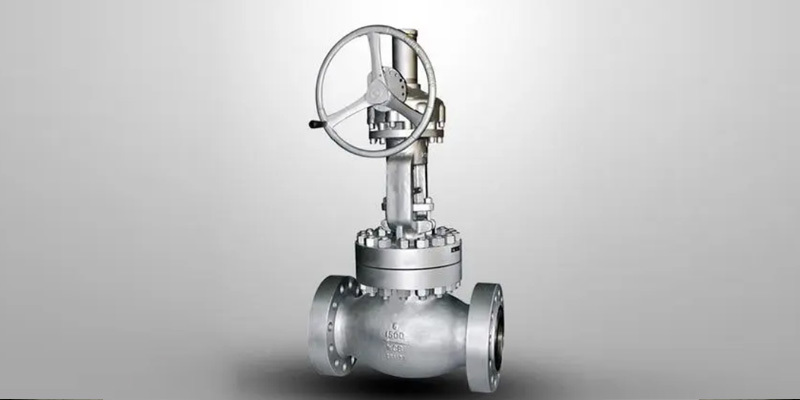
**Globe butterfly valves** are a type of valve that combines the characteristics of globe valves and butterfly valves. They are designed to regulate flow with minimal pressure drop and provide excellent sealing capabilities. These valves consist of a disc that rotates around a fixed axis, allowing for precise control over the fluid flow.
Design and Functionality
The design of a globe butterfly valve features a circular body with a rotating disc positioned within. As the disc opens or closes, it either allows or restricts the flow of fluid. This design enables **efficient flow control**, making globe butterfly valves suitable for various applications, including water treatment, chemical processing, and HVAC systems.
Key Features
- **Compact Size**: Globe butterfly valves are relatively compact, which makes them easier to install in confined spaces.
- **Versatile Applications**: They can handle a wide range of fluids, including aggressive chemicals and high-temperature liquids.
- **Durable Construction**: Typically manufactured from high-quality materials like stainless steel or brass, globe butterfly valves offer excellent durability and longevity.
Benefits of Globe Butterfly Valves
The advantages of globe butterfly valves extend beyond their design. Here are some key benefits that make them a popular choice among engineers and industrial operators:
1. Efficient Flow Control
Globe butterfly valves are designed to provide precise control over fluid flow. The ability to adjust the position of the disc allows for smooth modulation of flow rates, making them ideal for applications that require specific flow management.
2. Low Pressure Drop
One of the significant benefits of using globe butterfly valves is their ability to maintain a low pressure drop across the valve. This characteristic is crucial in systems where maintaining pressure is essential for efficient operation.
3. Excellent Sealing Capabilities
Globe butterfly valves offer superior sealing performance compared to many other valve types. This feature is particularly important in preventing leaks in critical applications.
4. Cost-Effective Solution
Due to their simple design and construction, globe butterfly valves are often more affordable than other types of valves, making them a cost-effective solution for various industries.
Overview of Other Valve Types
While globe butterfly valves have unique advantages, it's essential to consider other valve types when selecting the right option for your application. Here is a brief overview of some of the most common valve types:
1. Gate Valves
Gate valves are designed to provide full flow with minimal resistance. They are primarily used in on/off applications and are not ideal for flow regulation. The main advantage is their low pressure drop when fully opened.
2. Ball Valves
Ball valves utilize a spherical disc to control flow. They offer quick shut-off capabilities and are best suited for applications requiring frequent operation. Ball valves are known for their durability and excellent sealing properties.
3. Check Valves
Check valves allow fluid to flow in one direction while preventing backflow. They are commonly used in systems where maintaining unidirectional flow is vital.
4. Globe Valves
Globe valves are designed for throttling and flow regulation. While they provide excellent control, they can result in higher pressure drops compared to other types of valves.
Comparative Analysis of Globe Butterfly Valves and Other Valve Types
To make an informed decision, it is essential to compare globe butterfly valves with other valve types based on various parameters:
1. Flow Control
Globe butterfly valves excel in flow control compared to gate and check valves, which are better suited for on/off applications. Ball valves also provide excellent control but may not offer the same level of precision.
2. Pressure Drop
Globe butterfly valves maintain a lower pressure drop than globe valves, which can significantly impact system efficiency. Gate valves have low pressure drops when fully open, but they are not ideal for flow regulation.
3. Sealing Performance
Globe butterfly valves provide better sealing capabilities than gate and ball valves, making them suitable for high-pressure or sensitive applications where leaks could be detrimental.
4. Installation and Maintenance
Globe butterfly valves are easier to install in confined spaces due to their compact design. Their simple construction also results in lower maintenance requirements compared to other valve types.
Applications of Different Valve Types
Understanding the specific applications of each valve type helps in making an informed choice:
1. Globe Butterfly Valves
These valves are ideal for applications in:
- Water and wastewater treatment
- Chemical processing
- Oil and gas industries
- HVAC systems
- Pharmaceutical manufacturing
2. Gate Valves
Gate valves are typically used in:
- Water supply systems
- Irrigation
- Oil pipelines
3. Ball Valves
Common applications for ball valves include:
- Gas pipelines
- Chemical storage
- Water distribution systems
4. Check Valves
Check valves are often found in:
- Pumps and compressors
- HVAC systems
- Boiler systems
How to Choose the Right Valve for Your Needs
Selecting the right valve involves evaluating several factors, including:
1. Application Requirements
Consider the specific needs of your application, such as the type of fluid, pressure, and temperature.
2. Flow Control Needs
Determine whether you need precise flow control or if an on/off solution is sufficient.
3. Budget Constraints
Assess your budget and consider long-term costs, including maintenance and replacement.
4. Space Limitations
Evaluate the installation space available for the valve to ensure compatibility with your system.
Maintenance and Durability Considerations
Maintaining valves is crucial for ensuring their longevity and optimal performance. Here are some maintenance tips:
1. Regular Inspections
Conduct regular inspections to identify wear and tear, especially in high-stress applications.
2. Lubrication
Proper lubrication of moving parts can reduce friction and prolong the life of the valve.
3. Replacement of Worn Components
Be proactive in replacing any worn seals, gaskets, or other components to prevent leaks and ensure reliability.
4. Environmental Considerations
Consider the environment in which the valve operates and choose materials that can withstand the specific conditions.
Conclusion
Choosing the right valve for your industrial application is crucial for ensuring efficiency, safety, and reliability. Globe butterfly valves offer unique advantages in flow control, sealing capabilities, and installation flexibility compared to other valve types. By understanding the differences and applications of each valve type, you can make an informed decision tailored to your specific needs.
FAQs
1. What is the primary function of a globe butterfly valve?
The primary function of a globe butterfly valve is to regulate fluid flow with minimal pressure drop and excellent sealing capabilities.
2. How does a globe butterfly valve compare to a gate valve?
Globe butterfly valves provide better flow control and sealing than gate valves, which are better suited for on/off applications.
3. Are globe butterfly valves suitable for high-pressure applications?
Yes, globe butterfly valves can handle high-pressure applications effectively due to their superior sealing properties.
4. What materials are commonly used for globe butterfly valves?
Common materials include stainless steel, brass, and various alloys, depending on the application requirements.
5. How often should valves be maintained?
Valves should be inspected regularly, and maintenance schedules should be based on the specific operating conditions and manufacturer recommendations.
Key words:
More news
Essential Installation Tips for Two-Piece Flanged Ball Valves in Industrial Settings
Understanding Cast Steel Floating Ball Valves: Key Features and Applications
Floating Ball Valve vs. Traditional Valves: What You Need to Know for Optimal Performance
Maximizing Reliability: How Customized Regulating Valves Enhance System Performance
Top Features to Look for in China’s Automatic Water Control Valves
Key Features to Look for in Quality Industrial Control Valves

National sales hotline 7*24 hours
Address: 801-805 Jingshan Road, Guannan Industrial Zone, jimei district, Xiamen City


