

-
General Purpose Valve Series Butterfly valve series Ball valve series Hydraulic control valve series Corrosion-resistant valve series Bellows valve series Regulating valve seriesThree eccentric butterfly valve series Two-way double eccentric metal hard seal butterfly valve Soft seal butterfly valve series Other Butterfly Valve SeriesHydraulic control valve series Multi-function water control valve Elastic Seated Gate Valve On-off electric valve

- All
- Product Management
- News
- Introduction
- Enterprise outlets
- FAQ
- Enterprise Video
- Enterprise Atlas
Maintenance Tips for Industrial Control Valves: Ensuring Longevity
Release time:
Jul 04,2025
Maintenance Tips for Industrial Control Valves: Ensuring Longevity
Industrial control valves play a crucial role in regulating fluid flow and pressure in various applications. Their performance directly impacts the efficiency of processes across multiple industries, including oil and gas, water treatment, and manufacturing. To ensure these vital components remain operational for as long as possible, regular maintenance is essential. In this article, we delve into effective maintenance tips for industrial control valves, focusing on practices that promote longevity and reliable performance.
Understanding Industrial Control Valves
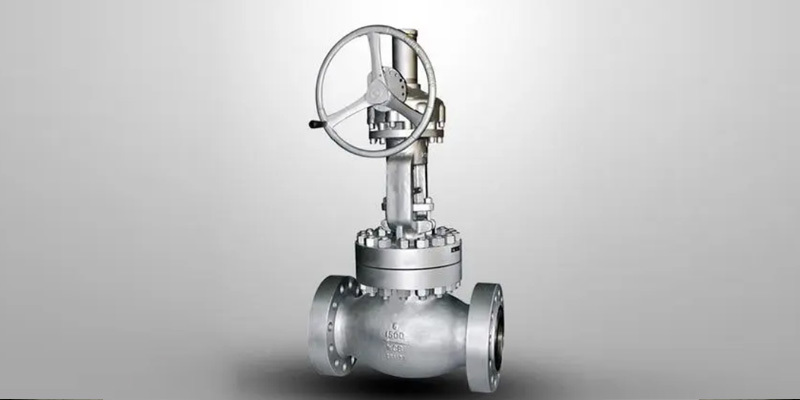
Before diving into maintenance tips, let's briefly understand what industrial control valves are and how they function. Control valves are devices that modulate fluid flow in response to signals from a control system. They are equipped with actuators and positioners, which enable precise adjustment of flow rates, pressure, and temperature. The primary types of control valves include globe, ball, butterfly, and gate valves, each serving distinct purposes based on application requirements.
The Importance of Maintenance in Control Valves
Neglecting maintenance can lead to several issues, including valve failure, leaks, and increased energy consumption. Regular maintenance not only extends the lifespan of control valves but also ensures efficient system operation, leading to cost savings and reduced downtime. Understanding the specific needs of each valve type is crucial for implementing effective maintenance strategies.
Routine Inspection: A Vital First Step
Regular inspections are the cornerstone of any effective maintenance program. By conducting routine inspections, we can identify potential issues before they escalate into costly repairs. Here are key areas to focus on during inspections:
Visual Checks
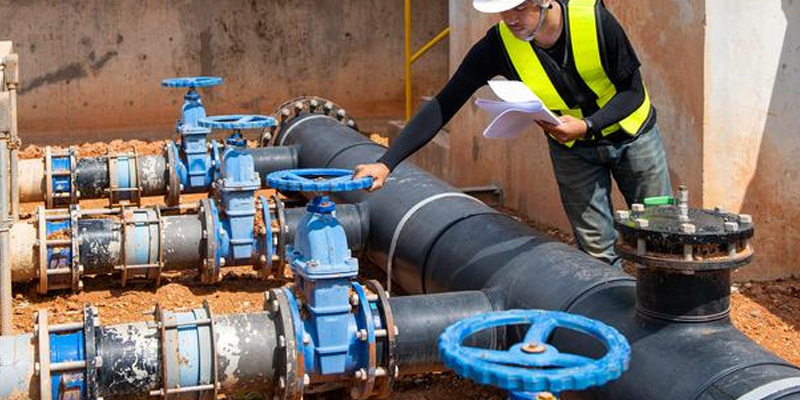
Performing visual checks is an essential part of routine maintenance. Look for signs of wear, corrosion, and leakage, which can indicate underlying problems. Ensure that the valve operates smoothly without any unusual noises or vibrations.
Functional Testing
Functional testing involves assessing the valve’s performance under operational conditions. This includes verifying the actuator's response time, checking for proper seating, and ensuring the valve opens and closes fully without obstruction.
Lubrication: Keeping Components Moving Smoothly
Proper lubrication is vital for the longevity of industrial control valves. It reduces friction between moving parts and minimizes wear. Here’s how to manage lubrication effectively:
Selecting the Right Lubricant
Choosing the appropriate lubricant is crucial. Consider the operating environment, temperature, and material compatibility when selecting a lubricant. Synthetic lubricants often provide better performance under extreme conditions compared to conventional oils.
Lubrication Schedule
Develop a lubrication schedule based on the manufacturer’s recommendations and operational conditions. Regularly lubricate stems, seals, and other moving parts to maintain optimal performance and prevent wear.
Calibration: Ensuring Accuracy and Efficiency
Calibrating control valves ensures they function accurately and efficiently. Regular calibration helps maintain the correct flow rates, pressures, and temperatures required for optimal system performance.
Testing and Adjusting Control Signals
Utilize calibration tools to test the control signals sent to the valve actuator. Ensure that the valve opens and closes at the designated set points. Any discrepancies should be adjusted to maintain precise control over fluid flow.
Regular Software Updates
For electronically controlled valves, ensure that the control software is updated regularly. Updates may include performance enhancements and new features that improve operational efficiency.
Cleaning: Keeping Valves Free of Contaminants
Contaminants can significantly impact the performance of industrial control valves. Regular cleaning prevents buildup that can hinder operation.
Internal Cleaning Procedures
Develop a cleaning procedure for the internal components of the valve. This may involve disassembling the valve to remove any debris, sediment, or corrosion. Use appropriate cleaning agents that won’t damage the valve materials.
External Cleaning Practices
In addition to internal cleaning, maintain the exterior of the valve. Dust, dirt, and other contaminants can cause corrosion or interfere with insulation. Use appropriate cleaning agents and protective coatings to enhance longevity.
Troubleshooting Common Issues
Despite regular maintenance, issues can arise. Understanding common problems associated with industrial control valves can aid in quick troubleshooting.
Leakage Problems
Leakage is a common issue that can lead to significant performance losses. Check for leaks around seals, flanges, and threaded connections. Replacing worn seals or tightening connections often resolves these issues.
Inconsistent Performance
If a valve performs inconsistently, it may be due to calibration issues, actuator failures, or build-up within the valve. Conduct thorough inspections and tests to identify the root cause and implement corrective measures.
Documentation and Record Keeping
Maintaining detailed records of maintenance activities is essential for effective management of industrial control valves. Documentation enables tracking of performance, repairs, and scheduled maintenance tasks.
Creating Maintenance Logs
Establish a standardized format for maintenance logs that includes dates, tasks performed, observations, and any corrective actions taken. This helps in identifying patterns that may indicate recurring issues.
Utilizing Maintenance Management Software
Consider employing maintenance management software to streamline documentation and scheduling. Such tools can help automate reminders for inspections, calibrations, and other maintenance tasks.
Training Personnel: Building Expertise
Ensuring that personnel responsible for the maintenance of control valves are well-trained is paramount. Training enhances the understanding of valve operation, maintenance techniques, and troubleshooting methods.
Regular Training Sessions
Conduct regular training sessions to keep maintenance staff updated on best practices and new technologies. Encourage knowledge sharing and collaboration among team members to foster a culture of continuous improvement.
Safety Protocols
Training should also cover safety protocols when handling industrial control valves. Understanding the risks and implementing proper safety measures is essential for preventing accidents and injuries during maintenance activities.
Conclusion
Effective maintenance of industrial control valves is critical for ensuring their longevity and optimal performance. By implementing routine inspections, proper lubrication, calibration, cleaning, and thorough documentation, we can significantly enhance the lifespan of these essential components. Training personnel and establishing a proactive maintenance culture further contribute to minimizing downtime and maximizing efficiency. By following these maintenance tips, we can ensure that our industrial control valves operate reliably, ultimately supporting the overall success of our industrial processes.
FAQs
What are the signs that an industrial control valve needs maintenance?
Common signs include unusual noises, leaks, inconsistent performance, and failure to open or close fully.
How often should I perform maintenance on control valves?
Maintenance frequency depends on operational conditions, but regular inspections should be conducted at least quarterly.
Can I clean control valves without disassembling them?
While external cleaning can be performed without disassembly, internal cleaning may require disassembly to effectively remove contaminants.
What is the best way to lubricate control valves?
Use the manufacturer’s recommended lubricant and follow a lubrication schedule based on operating conditions.
How can I extend the lifespan of my control valves?
Implementing a comprehensive maintenance program that includes regular inspections, cleaning, lubrication, and calibration will help extend the lifespan of control valves.
Key words:
More news
Essential Installation Tips for Two-Piece Flanged Ball Valves in Industrial Settings
Understanding Cast Steel Floating Ball Valves: Key Features and Applications
Floating Ball Valve vs. Traditional Valves: What You Need to Know for Optimal Performance
Maximizing Reliability: How Customized Regulating Valves Enhance System Performance
Top Features to Look for in China’s Automatic Water Control Valves
Key Features to Look for in Quality Industrial Control Valves

National sales hotline 7*24 hours
Address: 801-805 Jingshan Road, Guannan Industrial Zone, jimei district, Xiamen City


