

-
General Purpose Valve Series Butterfly valve series Ball valve series Hydraulic control valve series Corrosion-resistant valve series Bellows valve series Regulating valve seriesThree eccentric butterfly valve series Two-way double eccentric metal hard seal butterfly valve Soft seal butterfly valve series Other Butterfly Valve SeriesHydraulic control valve series Multi-function water control valve Elastic Seated Gate Valve On-off electric valve

- All
- Product Management
- News
- Introduction
- Enterprise outlets
- FAQ
- Enterprise Video
- Enterprise Atlas
Regulating Valves vs. Control Valves: What’s the Difference?
Release time:
Jul 06,2025
Regulating Valves vs. Control Valves: What’s the Difference?
Introduction to Valves in Industrial Equipment
In the realm of industrial equipment and components, valves play a crucial role in controlling the flow of fluids within a system. Two commonly encountered types of valves are **regulating valves** and **control valves**. While they may seem similar at first glance, understanding their distinct functionalities, applications, and operational principles is vital for optimizing industrial processes.
This article delves into the nuanced differences between regulating valves and control valves, providing a detailed exploration of their characteristics, advantages, and best-use scenarios.
Table of Contents
- What are Regulating Valves?
- What are Control Valves?
- Key Differences Between Regulating Valves and Control Valves
- Applications of Regulating Valves
- Applications of Control Valves
- How Regulating Valves Work
- How Control Valves Work
- Benefits and Drawbacks of Each Type
- Frequently Asked Questions
- Conclusion
What are Regulating Valves?
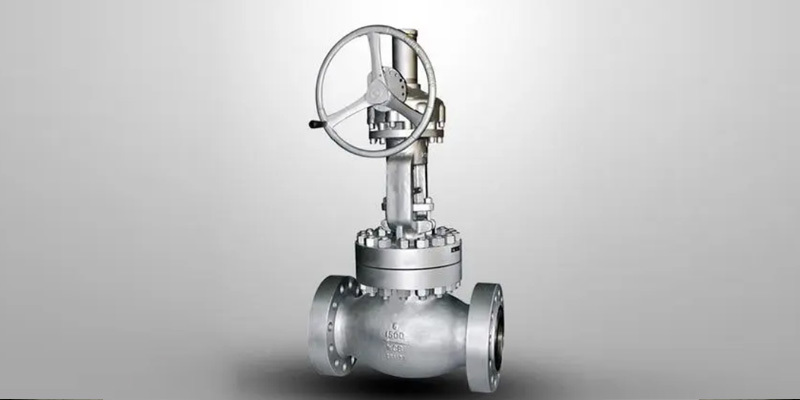
**Regulating valves** are designed to maintain a specific flow rate or pressure within a piping system. They function by adjusting the flow of media, such as liquids or gases, based on varying conditions in the system. These valves are often employed in applications where precise control is necessary to ensure consistent performance, such as in fuel systems, heating systems, and water distribution networks.
The operational principle of regulating valves is based on feedback mechanisms that respond to changes in pressure or flow. They are typically used to reduce pressure, enabling safe and efficient operation of downstream equipment.
What are Control Valves?
**Control valves**, in contrast, are utilized for modulating the flow or pressure of a fluid in a system. They are an integral part of automated control systems, responsible for adjusting flow rates based on signals from sensors and controllers. Control valves can open, close, or partially open, allowing for finer adjustments in flow compared to regulating valves.
These valves are often used in sophisticated applications like chemical processing, power generation, and HVAC systems, where precise control and responsiveness to varying conditions are critical.
Key Differences Between Regulating Valves and Control Valves
Understanding the fundamental differences between regulating and control valves is essential for selecting the right type for your specific application. Here are the primary distinctions:
1. Functionality
Regulating valves are primarily focused on maintaining a constant flow rate or pressure, while control valves are designed to modulate flow based on varying conditions or control signals.
2. Application Scope
Regulating valves are suitable for simpler systems where flow control is needed, whereas control valves are ideal for complex systems requiring advanced automation and control strategies.
3. Design and Mechanism
Regulating valves often utilize a simple design with a fixed orifice, whereas control valves incorporate more sophisticated mechanisms, such as actuators and positioners, to facilitate precise control of fluid dynamics.
4. Response Speed
Control valves typically respond faster to changes in control signals compared to regulating valves, making them better suited for dynamic processes.
Applications of Regulating Valves
Regulating valves find their use in a variety of applications, including:
1. Water Supply Systems
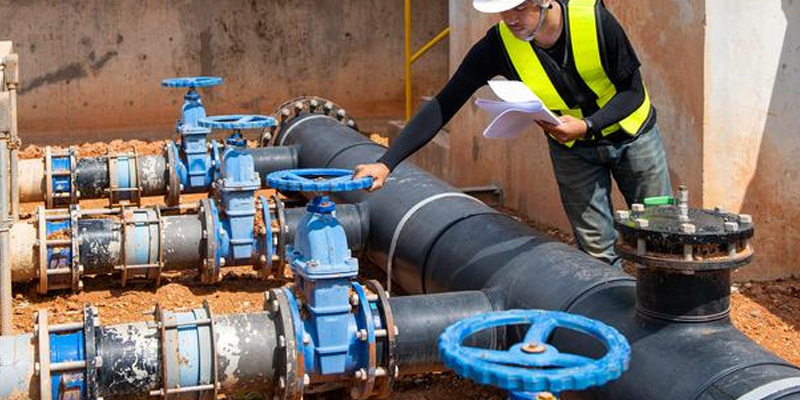
In municipal water systems, regulating valves maintain consistent pressure to ensure adequate water supply.
2. Heating Systems
These valves are commonly used in HVAC systems to regulate water flow in heating loops, ensuring efficient thermal performance.
3. Chemical Processing
Regulating valves help manage the flow of reactants in chemical reactors, ensuring optimal conditions for reactions.
Applications of Control Valves
Control valves are critical in several applications, such as:
1. Oil and Gas Industry
In oil refineries, control valves regulate the flow of crude oil and other products throughout the processing systems.
2. Power Generation
Control valves are essential for managing steam and water flow in power plants, impacting overall efficiency and safety.
3. Food and Beverage Production
In the food industry, these valves control the flow of ingredients and maintain consistent product quality.
How Regulating Valves Work
Regulating valves operate based on a feedback loop system. When the pressure or flow rate deviates from the desired setpoint, the valve adjusts its position to restore balance. This adjustment is typically achieved through a spring-loaded mechanism or an electronic actuator that controls the valve's opening and closing.
For instance, in a water distribution system, if the pressure drops due to increased demand, the regulating valve will open further to allow more water flow until the pressure stabilizes.
How Control Valves Work
Control valves utilize a more complex system involving sensors, controllers, and actuators. When a sensor detects a change in the system—such as pressure, temperature, or flow rate—it sends a signal to the controller. The controller processes this information and sends a command to the actuator, which adjusts the valve's position accordingly.
This automation allows for real-time adjustments and greater efficiency, particularly in processes that require precise flow modulation, such as chemical dosing or thermal regulation in HVAC systems.
Benefits and Drawbacks of Each Type
Both regulating valves and control valves have unique advantages and disadvantages that should be considered based on the specific requirements of an application.
Regulating Valves
**Benefits:**
- Simple design leading to lower costs.
- Effective for maintaining stable flow rates.
- Less susceptible to fouling and wear due to fewer moving parts.
**Drawbacks:**
- Limited capabilities for dynamic adjustments.
- Not suitable for complex or automated systems.
Control Valves
**Benefits:**
- High precision and responsiveness to changes in the system.
- Capable of handling complex control strategies.
- Improved efficiency in dynamic applications.
**Drawbacks:**
- More complex design leading to higher costs.
- Requires maintenance for electronic components and actuators.
Frequently Asked Questions
1. Can regulating valves be used in place of control valves?
While they can be used in less complex systems, regulating valves lack the precision and responsiveness of control valves, making them unsuitable for applications requiring dynamic adjustments.
2. What types of media can regulating and control valves handle?
Both types of valves can handle a variety of media, including liquids, gases, and steam, though specific materials and designs may be required for different media types.
3. How do I choose between a regulating valve and a control valve?
Consider the complexity of your system, the level of precision required, and your budget. For dynamic systems requiring automation, control valves are typically preferred.
4. Are there hybrid valves that combine features of both regulating and control valves?
Yes, there are hybrid designs available that can offer features of both valve types, allowing for versatility in certain applications.
5. What maintenance is required for regulating and control valves?
Regulating valves generally require less maintenance due to their simple design, while control valves may need regular checks on electronic components and actuators to ensure optimal performance.
Conclusion
In conclusion, while both regulating valves and control valves play essential roles in industrial applications, they serve distinct purposes and are best suited for different scenarios. Regulating valves shine in maintaining consistent flow and pressure, making them ideal for simpler systems. In contrast, control valves excel in providing precise flow modulation in complex, automated environments.
Understanding the core differences between these types of valves empowers decision-makers to select the most appropriate valve for their specific needs, ultimately enhancing system efficiency, safety, and operational performance. By leveraging the unique benefits of each valve type, industries can optimize their processes and ensure successful outcomes in various applications.
Key words:
More news
Essential Installation Tips for Two-Piece Flanged Ball Valves in Industrial Settings
Understanding Cast Steel Floating Ball Valves: Key Features and Applications
Floating Ball Valve vs. Traditional Valves: What You Need to Know for Optimal Performance
Maximizing Reliability: How Customized Regulating Valves Enhance System Performance
Top Features to Look for in China’s Automatic Water Control Valves
Key Features to Look for in Quality Industrial Control Valves

National sales hotline 7*24 hours
Address: 801-805 Jingshan Road, Guannan Industrial Zone, jimei district, Xiamen City


