

-
General Purpose Valve Series Butterfly valve series Ball valve series Hydraulic control valve series Corrosion-resistant valve series Bellows valve series Regulating valve seriesThree eccentric butterfly valve series Two-way double eccentric metal hard seal butterfly valve Soft seal butterfly valve series Other Butterfly Valve SeriesHydraulic control valve series Multi-function water control valve Elastic Seated Gate Valve On-off electric valve

- All
- Product Management
- News
- Introduction
- Enterprise outlets
- FAQ
- Enterprise Video
- Enterprise Atlas
Key Features to Look for When Choosing a Globe Butterfly Valve
Release time:
Jul 12,2025
Introduction to Globe Butterfly Valves
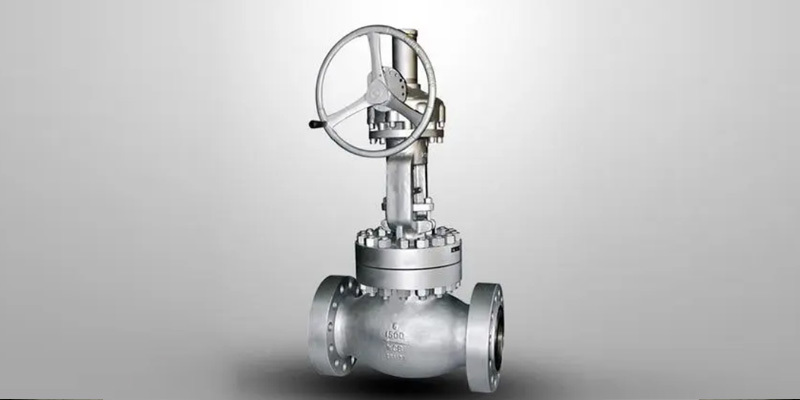
In the realm of industrial equipment and components, **globe butterfly valves** play a crucial role in regulating flow within piping systems. As versatile devices that combine the functionality of both globe and butterfly valves, they are essential in various applications ranging from water treatment to chemical processing. When choosing the right valve, several key features must be considered to ensure optimal performance and longevity.
Understanding the Design and Functionality of Globe Butterfly Valves
Before diving into the key features, it's important to understand the design and functionality of globe butterfly valves. These valves utilize a circular disc to control the flow of fluid, and their unique design allows for minimal pressure drop and efficient flow management. They are particularly effective in throttling applications, making them ideal for scenarios where precise flow control is essential.
Key Features to Consider
When selecting a globe butterfly valve, it is essential to focus on specific features that directly impact its performance and suitability for your application. Below are the most critical factors to keep in mind.
1. Material Compatibility
The material of the valve body, seat, and disc is paramount for ensuring compatibility with the fluid being transported. Common materials include stainless steel, cast iron, and PVC. Each material has its chemical resistance and temperature tolerance, so it's vital to select one that matches the specific requirements of your application.
2. Size and Dimensions
Choosing the right size is crucial for maintaining flow rates and preventing system strain. Ensure that the valve's dimensions align with your piping system. Typically, globe butterfly valves come in various sizes ranging from a few inches to several feet in diameter. It's essential to measure your existing piping before making a selection.
3. Pressure Rating
Pressure ratings indicate the maximum pressure the valve can handle. A valve with a higher pressure rating may be necessary for systems operating under high pressure. Always refer to the manufacturer's specifications to choose a valve that can withstand the operational conditions of your system.
4. Temperature Range
Different materials and designs of globe butterfly valves are rated for specific temperature ranges. Knowing the operating temperature of your system is essential for selecting a valve that will perform reliably without degrading over time.
5. End Connections
Globe butterfly valves come with various end connection types, including flanged, threaded, and welded. The type of connection will influence how the valve fits into your existing piping system. Ensure compatibility with your installation method to avoid leaks or operational issues.
6. Actuation Options
Consider how the valve will be operated. Manual and automated actuation options each come with their own set of advantages. For instance, automated actuators can improve efficiency and reduce labor costs, whereas manual actuators offer simplicity and reliability.
7. Flow Characteristics
Different globe butterfly valves present varying flow characteristics. Some are designed for linear flow control while others may provide quick shut-off capabilities. Understanding the flow requirements of your application will guide you in choosing a valve that best aligns with your needs.
8. Maintenance and Repairs
Long-term operational efficiency largely depends on how easy the valve is to maintain. Look for designs that allow for straightforward maintenance procedures, as this can significantly reduce downtime and extend the life of the valve.
The Importance of Quality Standards
When it comes to industrial components, quality and compliance with industry standards are critical. Ensure that the globe butterfly valve you select conforms to relevant certifications such as API, ANSI, and ISO. These certifications guarantee that the valve has undergone rigorous testing and meets established performance criteria.
Application Considerations for Globe Butterfly Valves
Understanding the specific application for which you are selecting a globe butterfly valve can lead to more informed decisions. Here are some considerations based on typical applications:
1. Water and Wastewater Treatment
In water treatment facilities, valves must be resistant to corrosion and capable of handling varying temperatures and pressures. Choosing a durable material, such as stainless steel, is often advisable.
2. Chemical Processing
Chemical processes can be aggressive, so ensure that the valve's materials are compatible with the chemicals being handled. Look for valves with enhanced sealing capabilities to prevent leaks and spills.
3. HVAC Systems
In heating, ventilation, and air conditioning systems, globe butterfly valves are often used for regulating or isolating flow. Their ability to throttle flow makes them a preferred choice in these applications.
FAQs About Globe Butterfly Valves
1. What is the primary difference between a globe valve and a butterfly valve?
The primary difference lies in their design and function; globe valves are ideal for throttling flow, while butterfly valves provide quick shutoff capabilities.
2. Can globe butterfly valves be installed in any orientation?
Yes, globe butterfly valves can be installed in various orientations, although vertical installation is often preferred for optimal performance.
3. How do I know if my valve is compatible with the fluid being transported?
Consult the valve manufacturer's specifications and compatibility charts, which detail the materials used and their resistance to specific chemicals.
4. What maintenance is required for globe butterfly valves?
Routine inspection for leaks, checking the valve's operation, and ensuring that actuators function correctly are essential maintenance practices.
5. How can I improve the lifespan of my globe butterfly valve?
Choose a valve made from high-quality materials, ensure proper installation, and conduct regular maintenance to enhance its lifespan.
Conclusion
In summary, selecting the right **globe butterfly valve** for your industrial applications requires careful consideration of various features such as material compatibility, size, pressure rating, and actuation options. By understanding each of these factors and their significance, you can make an informed decision that ensures the efficiency and reliability of your piping system. Investing in quality valves will not only enhance performance but also simplify maintenance and reduce long-term operational costs.
Key words:
More news
Essential Installation Tips for Two-Piece Flanged Ball Valves in Industrial Settings
Understanding Cast Steel Floating Ball Valves: Key Features and Applications
Floating Ball Valve vs. Traditional Valves: What You Need to Know for Optimal Performance
Maximizing Reliability: How Customized Regulating Valves Enhance System Performance
Top Features to Look for in China’s Automatic Water Control Valves
Key Features to Look for in Quality Industrial Control Valves

National sales hotline 7*24 hours
Address: 801-805 Jingshan Road, Guannan Industrial Zone, jimei district, Xiamen City


