

-
General Purpose Valve Series Butterfly valve series Ball valve series Hydraulic control valve series Corrosion-resistant valve series Bellows valve series Regulating valve seriesThree eccentric butterfly valve series Two-way double eccentric metal hard seal butterfly valve Soft seal butterfly valve series Other Butterfly Valve SeriesHydraulic control valve series Multi-function water control valve Elastic Seated Gate Valve On-off electric valve

- All
- Product Management
- News
- Introduction
- Enterprise outlets
- FAQ
- Enterprise Video
- Enterprise Atlas
The Science Behind Industrial Control Valves and Flow Control: An In-Depth Exploration
Release time:
Jul 14,2025
The Science Behind Industrial Control Valves and Flow Control
Table of Contents
- 1. Introduction to Industrial Control Valves
- 2. What Are Control Valves?
- 3. Types of Industrial Control Valves
- 4. Principles of Flow Control
- 5. Applications of Control Valves in Various Industries
- 6. How to Select the Right Control Valve
- 7. Maintenance and Troubleshooting of Control Valves
- 8. Frequently Asked Questions
- 9. Conclusion
1. Introduction to Industrial Control Valves
Industrial control valves play a critical role in managing fluid flow within various systems. Understanding their function, types, and applications can significantly enhance operational efficiency in industrial settings. This article explores the science behind control valves and flow control systems to equip professionals with the knowledge required for optimal valve selection and operation.
2. What Are Control Valves?
Control valves are mechanical devices that regulate the flow rate, pressure, and temperature of fluids within a system. They operate by adjusting the size of the flow passage, which allows for precise control over the fluid dynamics. Typically actuated by electric, pneumatic, or hydraulic mechanisms, control valves are essential for maintaining safe and efficient operations in manufacturing processes.
3. Types of Industrial Control Valves
Understanding the different types of industrial control valves is crucial for their effective application. This section details four primary types of control valves commonly used in industrial settings.
3.1 Globe Valves
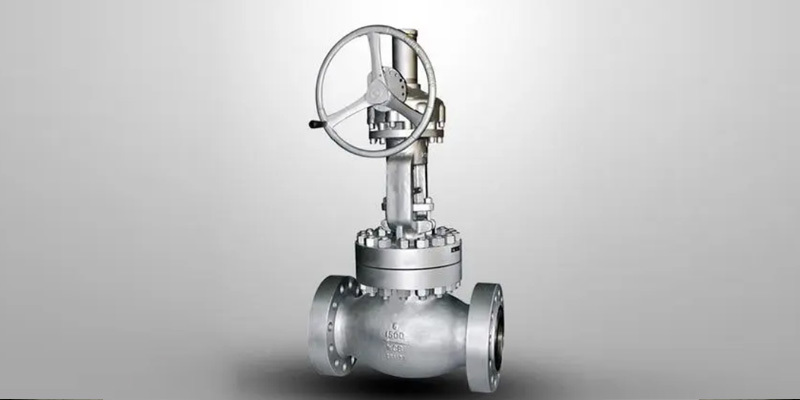
Globe valves are designed for throttling and flow regulation. Their spherical shape allows for a smooth flow path, minimizing turbulence. These valves are particularly effective in applications requiring precise flow control, making them ideal for use in steam, water, and other fluids.
3.2 Ball Valves
Ball valves feature a spherical disc that controls the flow of fluid through it. They are known for their durability and quick shut-off capabilities, making them suitable for on-off applications. Ball valves are commonly used in the oil and gas industry due to their ability to handle high pressures and temperatures.
3.3 Butterfly Valves
Butterfly valves utilize a rotating disc to manage fluid flow. They are lightweight and provide a cost-effective solution for large pipe applications. Due to their quick operation and low pressure drop, butterfly valves are often used in water treatment, chemical processing, and HVAC systems.
3.4 Check Valves
Check valves prevent backflow in a piping system. They are crucial for protecting pumps and other equipment from damage caused by reverse flow. These valves operate automatically, allowing fluid to flow in one direction while closing to prevent backflow.
4. Principles of Flow Control
Flow control relies on several fundamental principles that determine how fluids interact with control valves. Key concepts include:
1. **Pressure Differential**: The difference in pressure across the valve is critical for effective flow control. It influences how much the valve opens or closes, ultimately affecting the flow rate.
2. **Flow Coefficient (Cv)**: The flow coefficient is a measure of a valve's ability to pass fluid. Higher Cv values indicate that a valve can allow more flow at a given pressure drop.
3. **Dynamic Behavior**: Understanding the dynamic behavior of fluids is essential for implementing control strategies. Factors such as viscosity, temperature, and turbulence must be considered when designing control systems.
4. **Control Strategies**: Common strategies include proportional control, on-off control, and PID (proportional-integral-derivative) control, each with specific applications based on system requirements.
5. Applications of Control Valves in Various Industries
Control valves are utilized across a wide range of industries, each with unique demands and requirements. Some notable applications include:
- **Oil and Gas**: Control valves manage the flow of crude oil, natural gas, and refined products throughout the production process, ensuring safety and efficiency.
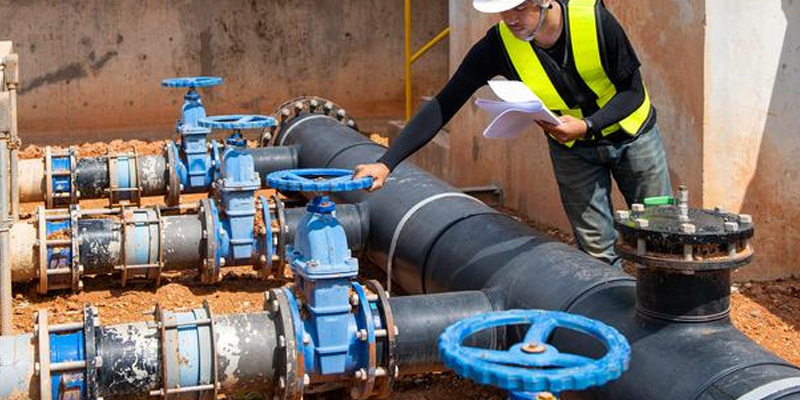
- **Water Treatment**: In water treatment facilities, control valves regulate flow rates and pressure for various processes, including filtration and chemical dosing.
- **Chemical Processing**: Chemical plants depend on control valves to manage the flow of raw materials and finished products, maintaining optimal reaction conditions.
- **Pharmaceuticals**: In the pharmaceutical industry, precise control over fluid flow is essential for consistency and quality in drug production.
6. How to Select the Right Control Valve
Selecting the appropriate control valve is crucial for achieving optimal system performance. When making your selection, consider the following factors:
1. **Type of Fluid**: The nature of the fluid (e.g., corrosive, viscous, temperature) will influence the choice of valve material and design.
2. **Flow Requirements**: Assess the flow rate and pressure conditions to determine the necessary valve specifications.
3. **Control Method**: Choose a control method (e.g., pneumatic, electric) that aligns with your operational needs and infrastructure.
4. **Installation and Maintenance**: Evaluate the accessibility of the installation site and the ease of maintenance to ensure long-term reliability.
7. Maintenance and Troubleshooting of Control Valves
To maintain the efficiency and reliability of control valves, regular maintenance is essential. Here are some key maintenance practices:
1. **Regular Inspections**: Conduct routine visual inspections to identify signs of wear, leaks, or corrosion.
2. **Calibration**: Regularly calibrate the actuator and control system to ensure accurate flow regulation.
3. **Cleaning**: Clean the valve internals to prevent fouling, which can impede performance.
4. **Replacement of Parts**: Replace worn or damaged components promptly to prevent system failures.
In case of troubleshooting, common issues may include:
- Valve not opening or closing properly
- Unstable flow rates
- Leakage around the valve seat
Address these issues systematically by inspecting the actuator, checking for blockages, and ensuring proper alignment.
8. Frequently Asked Questions
1. What is the primary function of a control valve?
Control valves regulate the flow of liquids, gases, or slurries in a system, ensuring optimal operational conditions.
2. How do control valves influence system efficiency?
By maintaining desired flow rates and pressures, control valves enhance process efficiency and reduce energy consumption.
3. What factors affect the selection of control valves?
Factors include fluid type, flow requirements, control strategies, and installation constraints.
4. How often should control valves be maintained?
Regular maintenance schedules depend on the application but should generally occur at least annually.
5. Can control valves be used for both on-off and throttling applications?
Yes, different types of control valves are designed for both applications, depending on the system requirements.
9. Conclusion
Industrial control valves are indispensable components in managing fluid systems across various industries. Understanding the science behind their operation, types, and applications enables professionals to make informed decisions regarding their use and maintenance. A well-chosen and maintained control valve not only enhances operational efficiency but also contributes to the overall safety and reliability of industrial processes. As technology evolves, staying informed about advancements in control valve design and functionality will further empower industries to optimize their operations and achieve sustainable growth.
Key words:
More news
Essential Installation Tips for Two-Piece Flanged Ball Valves in Industrial Settings
Understanding Cast Steel Floating Ball Valves: Key Features and Applications
Floating Ball Valve vs. Traditional Valves: What You Need to Know for Optimal Performance
Maximizing Reliability: How Customized Regulating Valves Enhance System Performance
Top Features to Look for in China’s Automatic Water Control Valves
Key Features to Look for in Quality Industrial Control Valves

National sales hotline 7*24 hours
Address: 801-805 Jingshan Road, Guannan Industrial Zone, jimei district, Xiamen City


