

-
General Purpose Valve Series Butterfly valve series Ball valve series Hydraulic control valve series Corrosion-resistant valve series Bellows valve series Regulating valve seriesThree eccentric butterfly valve series Two-way double eccentric metal hard seal butterfly valve Soft seal butterfly valve series Other Butterfly Valve SeriesHydraulic control valve series Multi-function water control valve Elastic Seated Gate Valve On-off electric valve

- All
- Product Management
- News
- Introduction
- Enterprise outlets
- FAQ
- Enterprise Video
- Enterprise Atlas
How to Optimize Your Industrial System with the Right Regulating Valve
Release time:
Jul 16,2025
How to Optimize Your Industrial System with the Right Regulating Valve
Table of Contents
- 1. Introduction to Regulating Valves
- 2. Importance of Choosing the Right Regulating Valve
- 3. Types of Regulating Valves
- 4. Key Criteria for Selecting Regulating Valves
- 5. Proper Installation of Regulating Valves
- 6. Maintenance Best Practices for Regulating Valves
- 7. Troubleshooting Common Issues with Regulating Valves
- 8. Case Studies: Real-World Applications of Regulating Valves
- 9. Conclusion
- 10. Frequently Asked Questions
1. Introduction to Regulating Valves
Regulating valves play a crucial role in the functionality of industrial systems. They control the flow and pressure of fluids, ensuring optimal performance across various applications. By adjusting the flow rate and maintaining system pressure, these valves directly contribute to energy efficiency and process optimization.
2. Importance of Choosing the Right Regulating Valve
Selecting the appropriate regulating valve is essential for several reasons:
- **Efficiency**: The right valve minimizes energy loss and enhances system performance.
- **Safety**: Properly functioning valves prevent overpressure and potential system failures.
- **Cost-Effectiveness**: Choosing the right valve can reduce maintenance costs and prolong the lifespan of the system.
- **Process Control**: Accurate flow and pressure regulation lead to improved product quality.
Understanding these factors can significantly impact the overall success of your industrial operations.
3. Types of Regulating Valves
Different types of regulating valves are designed for specific applications and functions. Understanding these differences is critical for optimizing your industrial system.
3.1 Globe Valves
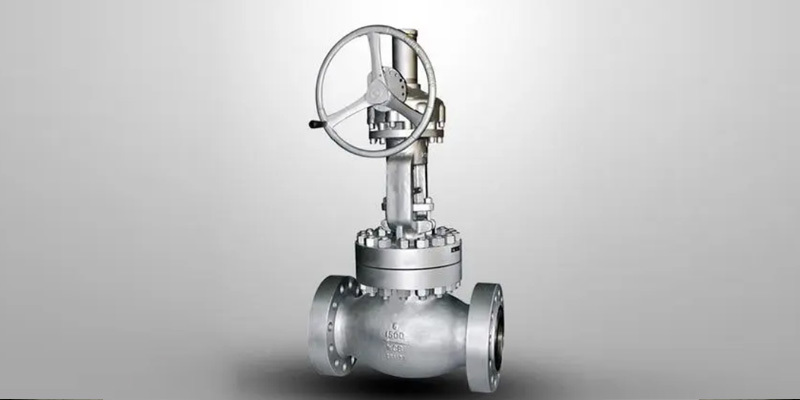
Globe valves are renowned for their throttling capabilities. They feature a spherical body shape with an internal baffle that directs the flow of fluid. These valves are ideal for applications requiring precise flow regulation.
3.2 Ball Valves
Ball valves utilize a spherical disc (the ball) to control flow. They are known for their quick operation and minimal flow restriction. While not primarily designed for throttling, ball valves can be used in applications where full flow or no flow is required.
3.3 Butterfly Valves
Butterfly valves consist of a rotating disc that regulates flow. They are lightweight, compact, and suitable for large diameter pipelines. Their design allows for a quick opening and closing, making them ideal for applications demanding speed.
3.4 Pressure Regulating Valves
Pressure regulating valves are designed to maintain a desired pressure level within a system. They automatically adjust the flow based on pressure changes, ensuring consistent operation and safeguarding equipment from damage.
4. Key Criteria for Selecting Regulating Valves
When selecting the right regulating valve, consider the following criteria:
- **Fluid Type**: Different valves are suited for various fluids, such as gases, liquids, or slurries.
- **Pressure and Temperature Ratings**: Ensure the valve can handle the specific pressure and temperature conditions of your application.
- **Flow Characteristics**: Evaluate whether the application requires linear, equal percentage, or quick opening flow characteristics.
- **Size and Compatibility**: The valve must fit seamlessly into your existing system and match the pipe size and material.
- **Actuation Method**: Determine whether manual, pneumatic, or electric actuation is appropriate based on your operational needs.
Making informed choices based on these criteria will help optimize your industrial system's performance.
5. Proper Installation of Regulating Valves
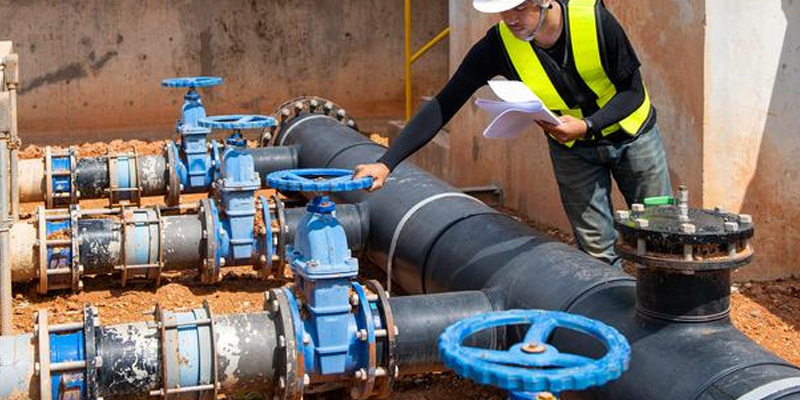
Proper installation is critical to ensuring the effective operation of regulating valves. Follow these best practices:
- **Positioning**: Install valves in a location that allows for easy access for maintenance and inspection.
- **Orientation**: Follow manufacturer guidelines regarding orientation (horizontal or vertical) to avoid operational issues.
- **Sealing**: Ensure all seals and gaskets are correctly installed to prevent leaks.
Adhering to these practices will enhance the longevity and efficiency of your regulating valves.
6. Maintenance Best Practices for Regulating Valves
Regular maintenance is essential for the longevity of regulating valves. Here are several best practices:
- **Routine Inspections**: Regularly check for leaks, wear, and proper operation.
- **Cleaning**: Keep the valve body and surrounding area free from debris and buildup to ensure accurate functioning.
- **Calibration**: Periodically calibrate the valve to ensure it operates within specified parameters.
Implementing these maintenance strategies can prevent costly downtime and extend the life of your regulating valves.
7. Troubleshooting Common Issues with Regulating Valves
Even with proper installation and maintenance, issues can arise. Here are common problems and how to address them:
- **Leakage**: This can result from worn seals or improper installation. Investigate and replace faulty components as needed.
- **Erratic Flow**: This may indicate a blockage or malfunctioning actuator. Inspect the valve for obstructions and ensure the actuator is functioning correctly.
- **Pressure Fluctuations**: Instability in pressure levels can arise from incorrect valve sizing or calibration. Review the specifications and adjust as necessary.
Timely troubleshooting can mitigate operational disruptions and ensure efficient system performance.
8. Case Studies: Real-World Applications of Regulating Valves
Examining case studies can provide insights into the practical applications of regulating valves.
**Case Study 1: Chemical Processing Plant**
In a chemical processing plant, the implementation of globe valves improved the precision of fluid flow, resulting in a 15% increase in overall operational efficiency.
**Case Study 2: Water Treatment Facility**
A water treatment facility replaced outdated valves with modern pressure regulating valves, which reduced energy consumption by 20% and improved water quality consistency.
These examples illustrate the tangible benefits of selecting and optimizing the right regulating valve for specific industrial applications.
9. Conclusion
In today’s competitive industrial landscape, optimizing your systems with the right regulating valves is crucial for achieving operational efficiency, safety, and cost-effectiveness. By understanding the types of valves available, their selection criteria, and proper installation and maintenance practices, you can significantly enhance your system's performance. The investment in the right regulating valve pays off through improved efficiency, reduced downtime, and increased productivity.
10. Frequently Asked Questions
**1. What is the primary purpose of a regulating valve?**
The primary purpose of a regulating valve is to control the flow and pressure of fluids in industrial systems, ensuring optimal performance and safety.
**2. How do I determine the right size of a regulating valve for my application?**
To determine the right size, consider the flow rate, pressure requirements, and the specific fluid characteristics. Consulting manufacturer guidelines can also help.
**3. Can regulating valves be used for both liquid and gas applications?**
Yes, regulating valves can be designed for both liquid and gas applications, but it’s important to choose the valve type based on the specific fluid properties.
**4. How often should I perform maintenance on regulating valves?**
Regular inspections should be conducted at least annually, but the frequency may increase based on the valve's criticality within the system and operational conditions.
**5. What are common signs of valve failure?**
Common signs of valve failure include leaks, erratic flow, unusual noises, and pressure fluctuations. Addressing these issues promptly can prevent further complications.
By following the guidelines and insights presented in this article, you can ensure that your industrial system operates at peak efficiency, ultimately leading to greater productivity and success.
Key words:
More news
Essential Installation Tips for Two-Piece Flanged Ball Valves in Industrial Settings
Understanding Cast Steel Floating Ball Valves: Key Features and Applications
Floating Ball Valve vs. Traditional Valves: What You Need to Know for Optimal Performance
Maximizing Reliability: How Customized Regulating Valves Enhance System Performance
Top Features to Look for in China’s Automatic Water Control Valves
Key Features to Look for in Quality Industrial Control Valves

National sales hotline 7*24 hours
Address: 801-805 Jingshan Road, Guannan Industrial Zone, jimei district, Xiamen City


