

-
General Purpose Valve Series Butterfly valve series Ball valve series Hydraulic control valve series Corrosion-resistant valve series Bellows valve series Regulating valve seriesThree eccentric butterfly valve series Two-way double eccentric metal hard seal butterfly valve Soft seal butterfly valve series Other Butterfly Valve SeriesHydraulic control valve series Multi-function water control valve Elastic Seated Gate Valve On-off electric valve
- All
- Product Management
- News
- Introduction
- Enterprise outlets
- FAQ
- Enterprise Video
- Enterprise Atlas
The Environmental Impact of Efficient Regulating Valves: A Comprehensive Exploration
Release time:
Jul 26,2025
The Environmental Impact of Efficient Regulating Valves
Table of Contents
1. Introduction to Regulating Valves and Their Importance
2. Understanding the Functionality of Regulating Valves
2.1 Types of Regulating Valves
2.2 Key Components of Regulating Valves
3. The Environmental Benefits of Efficient Regulating Valves
3.1 Energy Efficiency and Reduction of Carbon Footprint
3.2 Minimization of Waste and Resource Conservation
4. Applications of Regulating Valves in Various Industries
4.1 Water and Wastewater Management
4.2 Oil and Gas Industry
4.3 Chemical Processing
5. Technology Advancements in Regulating Valves
5.1 Smart Regulating Valves and IoT Integration
5.2 Innovations in Valve Materials
6. Case Studies: Successful Implementation of Efficient Regulating Valves
6.1 Project A: Energy Savings in Water Treatment
6.2 Project B: Emission Reduction in Oil Refining
7. Challenges and Considerations in Selecting Regulating Valves
8. Future Trends and the Role of Regulating Valves in Environmental Sustainability
9. Frequently Asked Questions (FAQs)
10. Conclusion
1. Introduction to Regulating Valves and Their Importance
Efficient regulating valves play a crucial role in various industrial applications, particularly in controlling the flow of fluids within systems. As industries strive to enhance sustainability and reduce their environmental footprint, the significance of these components becomes increasingly apparent. By ensuring optimal performance, regulating valves contribute to energy efficiency while minimizing waste and emissions.
2. Understanding the Functionality of Regulating Valves
Regulating valves are designed to control the flow of liquids and gases within a system. These valves adjust their opening based on the pressure and flow rate, ensuring that the system operates within desired parameters.
2.1 Types of Regulating Valves
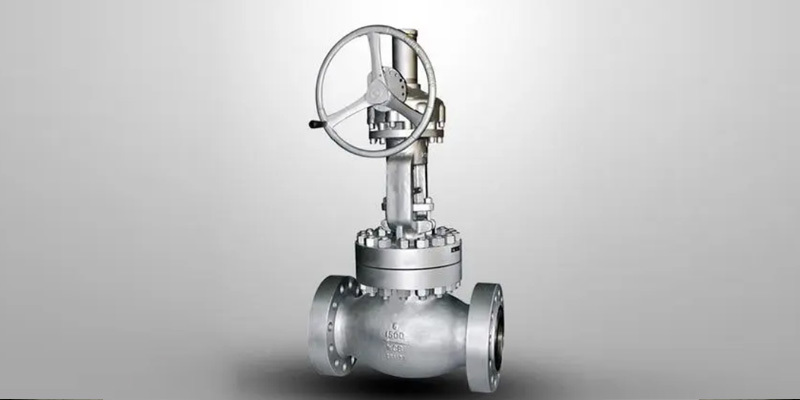
Several types of regulating valves exist, including globe valves, ball valves, and diaphragm valves. Each type serves specific applications and operates based on unique principles, allowing for versatile use across different industries.
2.2 Key Components of Regulating Valves
The essential components of a regulating valve include the actuator, stem, and body. The actuator controls the valve's position, while the stem connects the actuator to the valve body, influencing the flow.
3. The Environmental Benefits of Efficient Regulating Valves
Efficient regulating valves contribute significantly to environmental conservation. Their design and functionality facilitate various benefits that help industries lessen their ecological impact.
3.1 Energy Efficiency and Reduction of Carbon Footprint
One of the primary environmental benefits of regulating valves is their ability to enhance energy efficiency. By precisely controlling fluid flow, these valves ensure that energy consumption is kept to a minimum. This results in lower carbon emissions and a reduced overall carbon footprint for the facility.
3.2 Minimization of Waste and Resource Conservation
Efficient regulating valves also play a vital role in minimizing waste. By ensuring that the right amount of fluid is used at the right time, industries can conserve resources, thereby reducing the volume of waste generated. This practice not only benefits the environment but also enhances the profitability of operations.
4. Applications of Regulating Valves in Various Industries
Regulating valves are utilized across numerous industries, each benefiting from the environmental advantages that these components offer.
4.1 Water and Wastewater Management
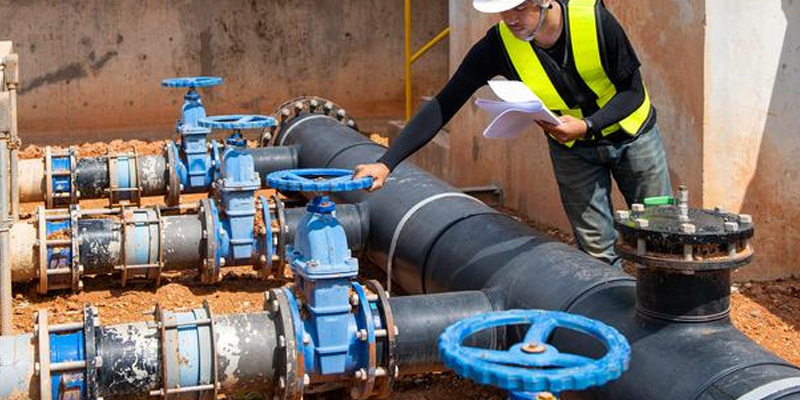
In water and wastewater management, regulating valves are crucial for controlling the flow in treatment plants. Their efficient operation can significantly reduce energy use and improve the treatment process, leading to cleaner water and less environmental impact.
4.2 Oil and Gas Industry
Within the oil and gas sector, regulating valves manage the flow of hydrocarbons, ensuring safe and efficient transportation. Efficient valves help minimize leaks and spills, reducing the environmental risks associated with fossil fuel extraction and distribution.
4.3 Chemical Processing
In chemical processing, regulating valves control reactions and material flow. Their precise operation ensures that chemicals are used effectively, minimizing waste and preventing environmental contamination.
5. Technology Advancements in Regulating Valves
Recent technological advancements have further enhanced the efficiency and environmental impact of regulating valves.
5.1 Smart Regulating Valves and IoT Integration
The integration of smart technology and the Internet of Things (IoT) into regulating valves enables real-time monitoring and control. These advancements allow for predictive maintenance and optimized performance, leading to further energy savings.
5.2 Innovations in Valve Materials
Innovative materials used in valve construction enhance durability and reduce maintenance costs. These advancements contribute to a longer lifecycle for valves, minimizing the need for replacements and associated environmental impacts.
6. Case Studies: Successful Implementation of Efficient Regulating Valves
Real-world examples demonstrate the significant environmental benefits of efficient regulating valves.
6.1 Project A: Energy Savings in Water Treatment
In a large-scale water treatment facility, the installation of efficient regulating valves resulted in a 20% reduction in energy consumption and a significant decrease in operational costs.
6.2 Project B: Emission Reduction in Oil Refining
An oil refining company implemented new regulating valves, leading to a 30% reduction in emissions. This project not only saved costs but also improved the company’s sustainability profile.
7. Challenges and Considerations in Selecting Regulating Valves
When selecting regulating valves, several challenges must be addressed, including compatibility with existing systems, maintenance requirements, and cost considerations. A thorough analysis of these factors ensures that industries can maximize the environmental benefits of their chosen valves.
8. Future Trends and the Role of Regulating Valves in Environmental Sustainability
The future of regulating valves lies in continuous innovation and the pursuit of sustainability. As industries adopt more stringent environmental regulations, the demand for efficient regulating valves will likely increase. Furthermore, advancements in smart technology will continue to shape the landscape of valve operation and environmental impact.
9. Frequently Asked Questions (FAQs)
What are regulating valves used for?
Regulating valves are used to control the flow rate and pressure of fluids in various industrial applications, ensuring optimal performance while minimizing waste and energy consumption.
How do efficient regulating valves impact energy consumption?
Efficient regulating valves help optimize flow control, leading to reduced energy use and lower operational costs.
What industries benefit from using regulating valves?
Industries such as water and wastewater management, oil and gas, and chemical processing benefit significantly from the use of regulating valves.
Are there any recent technological advancements in regulating valves?
Yes, recent advancements include the integration of smart technology and IoT, improving monitoring, control, and predictive maintenance capabilities.
How can I choose the right regulating valve for my application?
Choosing the right regulating valve involves assessing compatibility, maintenance requirements, and cost-effectiveness tailored to your specific application needs.
10. Conclusion
Efficient regulating valves are essential components in promoting environmental sustainability across various industries. By enhancing energy efficiency, reducing waste, and offering innovative solutions, these valves play a pivotal role in minimizing the ecological impact of industrial operations. As technology continues to evolve, the potential for regulating valves to contribute to a greener future remains promising. Prioritizing the adoption of these efficient valves is crucial for industries striving to balance operational efficiency with environmental responsibility.
Key words:
More news
Essential Installation Tips for Two-Piece Flanged Ball Valves in Industrial Settings
Understanding Cast Steel Floating Ball Valves: Key Features and Applications
Floating Ball Valve vs. Traditional Valves: What You Need to Know for Optimal Performance
Maximizing Reliability: How Customized Regulating Valves Enhance System Performance
Top Features to Look for in China’s Automatic Water Control Valves
Key Features to Look for in Quality Industrial Control Valves

National sales hotline 7*24 hours
Address: 801-805 Jingshan Road, Guannan Industrial Zone, jimei district, Xiamen City


