

-
General Purpose Valve Series Butterfly valve series Ball valve series Hydraulic control valve series Corrosion-resistant valve series Bellows valve series Regulating valve seriesThree eccentric butterfly valve series Two-way double eccentric metal hard seal butterfly valve Soft seal butterfly valve series Other Butterfly Valve SeriesHydraulic control valve series Multi-function water control valve Elastic Seated Gate Valve On-off electric valve

- All
- Product Management
- News
- Introduction
- Enterprise outlets
- FAQ
- Enterprise Video
- Enterprise Atlas
Innovations in Globe Butterfly Valve Design for Modern Industries
Release time:
Aug 01,2025
Innovations in Globe Butterfly Valve Design for Modern Industries
Table of Contents
- Introduction to Globe Butterfly Valves
- A Brief History of Valve Technology
- The Importance of Globe Butterfly Valves in Industry
- Recent Innovations in Globe Butterfly Valve Design
- Advancements in Materials Used in Valve Construction
- Smart Technologies in Modern Valve Systems
- Applications of Modern Globe Butterfly Valves
- Challenges and Solutions in Valve Design
- Conclusion
- FAQs
Introduction to Globe Butterfly Valves
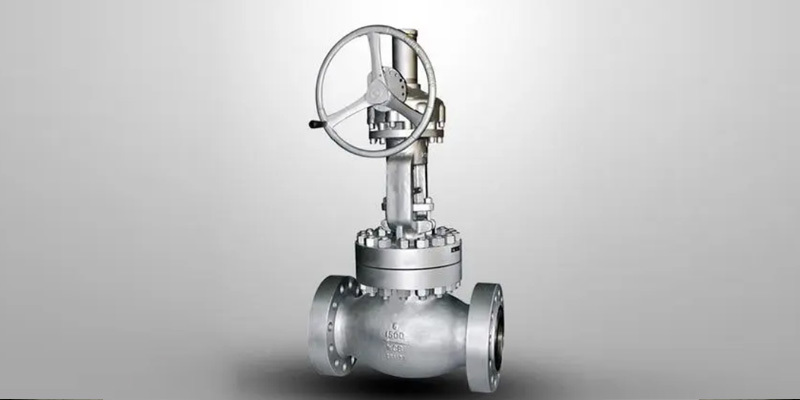
In the realm of industrial automation and fluid control, globe butterfly valves have emerged as vital components. Renowned for their ability to regulate flow with precision, these valves are increasingly favored across various sectors, from water treatment to chemical processing. Recent innovations in their design have further enhanced their effectiveness, making them indispensable in modern applications.
A Brief History of Valve Technology
The evolution of valve technology dates back several centuries, with early designs focusing on simple mechanisms to control fluid flow. As industries progressed, the demand for more sophisticated solutions grew. The globe butterfly valve was a significant breakthrough, combining the benefits of both globe and butterfly valves. This design allowed for efficient flow control while minimizing the pressure drop, paving the way for innovations that followed.
The Importance of Globe Butterfly Valves in Industry
Globe butterfly valves are crucial for maintaining operational efficiency in various industrial processes. They offer several advantages:
- Flow Control: Their design allows for precise modulation of flow rates.
- Durability: Constructed from robust materials, they withstand harsh environments.
- Space Efficiency: Their compact design facilitates easier installation in tight spaces.
Recent Innovations in Globe Butterfly Valve Design
Recent advancements in globe butterfly valve technology focus on enhancing performance and reliability. Some notable innovations include:
1. Enhanced Sealing Mechanisms
Modern globe butterfly valves now feature advanced sealing technologies to prevent leaks and ensure optimal performance. Innovations such as PTFE (Polytetrafluoroethylene) seals provide superior chemical resistance and longevity, making them ideal for demanding applications.
2. Streamlined Design
Engineers are now employing computational fluid dynamics (CFD) in the design process to create streamlined valves that minimize turbulence and pressure loss. This innovation leads to improved efficiency and reduced energy consumption in fluid transport systems.
3. Modular Components
Modularity in valve design allows for easier maintenance and customization. Manufacturers are now producing globe butterfly valves with interchangeable components, enabling quick repairs and modifications without needing complete replacements.
4. Improved Actuation Systems
Technological advancements have also reached the actuation systems of globe butterfly valves. Today’s valves can be equipped with electric and pneumatic actuators that offer precise control and automation capabilities, enhancing operational efficiency.
5. Integration of IoT Technology
The integration of the Internet of Things (IoT) into valve design allows for real-time monitoring and data collection. With smart valves, industries can monitor performance metrics, predict maintenance needs, and reduce downtime through proactive management.
Advancements in Materials Used in Valve Construction
Material selection plays a vital role in the performance and durability of globe butterfly valves. Recent innovations have focused on developing materials that enhance strength, corrosion resistance, and temperature tolerance.
1. Composite Materials
The rise of composite materials has enabled manufacturers to produce valves that are both lightweight and strong. These materials resist corrosion and wear, extending the lifespan of the valve even in harsh environments.
2. Advanced Coatings
Innovative coating technologies, such as epoxy and ceramic coatings, protect valves from corrosive substances. These coatings are particularly beneficial in industries handling aggressive chemicals, ensuring that the valve maintains its integrity over time.
3. High-Temperature Alloys
With high-temperature applications becoming more common, the use of specialized alloys that withstand extreme conditions is on the rise. These materials ensure that valves remain functional and reliable, even when exposed to heat and pressure.
Smart Technologies in Modern Valve Systems
The future of globe butterfly valves is intertwined with technological advancements. Smart technologies are increasingly being integrated into valve systems, providing numerous benefits:
1. Predictive Maintenance
With IoT-enabled valves, industries can collect and analyze data to predict when maintenance is required. This proactive approach minimizes unexpected failures and extends the operational life of the valves.
2. Remote Monitoring and Control
Smart valves can be remotely monitored and controlled through a centralized system, allowing operators to manage multiple valves across vast facilities without being physically present. This capability enhances operational efficiency and safety.
3. Enhanced Safety Features
Modern globe butterfly valves come equipped with advanced safety features, such as automatic shut-off mechanisms in case of a malfunction. These features ensure that potential hazards are mitigated, protecting both personnel and equipment.
Applications of Modern Globe Butterfly Valves
Globe butterfly valves are utilized in a wide range of applications, showcasing their versatility and importance:
1. Water Treatment Plants
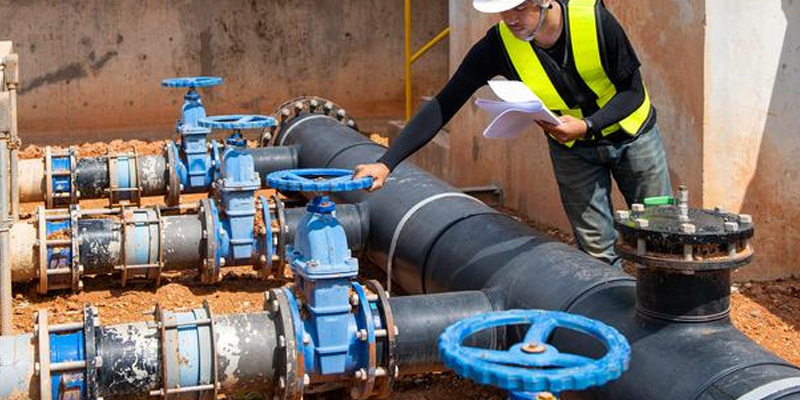
In water treatment facilities, globe butterfly valves control the flow of water through filtration systems, ensuring that the treatment processes run smoothly and efficiently.
2. Chemical Processing
The chemical industry relies heavily on globe butterfly valves for controlling corrosive fluids and gases. Their durability and resistance to chemicals make them essential in these environments.
3. Oil and Gas Industry
Within the oil and gas sector, these valves regulate flow in pipelines and processing plants, contributing to the safe and efficient transport of resources.
4. HVAC Systems
In heating, ventilation, and air conditioning (HVAC) systems, globe butterfly valves are used to manage airflow, enhancing the overall efficiency of climate control systems.
Challenges and Solutions in Valve Design
Despite the advancements, globe butterfly valve design still faces several challenges:
1. Wear and Tear
Frequent operation can lead to wear and tear. Utilizing advanced materials and coatings can mitigate this issue, prolonging valve life.
2. Pressure Drop
Minimizing pressure drop while ensuring effective flow control can be challenging. Innovative designs and CFD simulations help in creating more efficient valve geometries.
3. Regulatory Compliance
Meeting industry standards and regulations is critical. Manufacturers must stay updated with the latest compliance requirements to ensure their products meet safety and operational standards.
Conclusion
The continuous innovations in globe butterfly valve design are shaping the future of industrial processes. By emphasizing advanced materials, smart technologies, and improved designs, modern globe butterfly valves are becoming more efficient, reliable, and user-friendly. As industries evolve, these innovations will play a pivotal role in addressing the challenges of fluid control, ensuring that operations run smoothly and effectively.
FAQs
1. What are the main advantages of using globe butterfly valves?
Globe butterfly valves offer precise flow control, durability, and space efficiency, making them ideal for various industrial applications.
2. How do modern materials enhance valve performance?
Advanced materials improve corrosion resistance, strength, and temperature tolerance, enhancing the valve's longevity and reliability.
3. What role does IoT play in valve technology?
IoT enables real-time monitoring, predictive maintenance, and remote control of valves, improving operational efficiency and safety.
4. Can globe butterfly valves be customized for specific applications?
Yes, modern globe butterfly valves often feature modular designs that allow for easy customization to meet specific operational requirements.
5. What are the common applications of globe butterfly valves?
Common applications include water treatment, chemical processing, oil and gas, and HVAC systems, highlighting their versatility across industries.
Key words:
More news
Essential Installation Tips for Two-Piece Flanged Ball Valves in Industrial Settings
Understanding Cast Steel Floating Ball Valves: Key Features and Applications
Floating Ball Valve vs. Traditional Valves: What You Need to Know for Optimal Performance
Maximizing Reliability: How Customized Regulating Valves Enhance System Performance
Top Features to Look for in China’s Automatic Water Control Valves
Key Features to Look for in Quality Industrial Control Valves

National sales hotline 7*24 hours
Address: 801-805 Jingshan Road, Guannan Industrial Zone, jimei district, Xiamen City


