

-
General Purpose Valve Series Butterfly valve series Ball valve series Hydraulic control valve series Corrosion-resistant valve series Bellows valve series Regulating valve seriesThree eccentric butterfly valve series Two-way double eccentric metal hard seal butterfly valve Soft seal butterfly valve series Other Butterfly Valve SeriesHydraulic control valve series Multi-function water control valve Elastic Seated Gate Valve On-off electric valve

- All
- Product Management
- News
- Introduction
- Enterprise outlets
- FAQ
- Enterprise Video
- Enterprise Atlas
Why Every Industrial Application Needs Reliable Control Valves
Release time:
Aug 03,2025
Why Every Industrial Application Needs Reliable Control Valves
Understanding Control Valves: The Heart of Industrial Applications
Control valves play a pivotal role in managing the flow of fluids in industrial processes. They are designed to regulate the flow rate, pressure, and temperature of liquids and gases, ensuring that operations run smoothly and efficiently. Without reliable control valves, industries would face significant challenges, from inefficiencies to safety hazards.
The Critical Role of Control Valves in Industrial Applications
1. Ensuring Process Efficiency
In any industrial setting, efficiency is key. Control valves contribute to this by allowing precise control over fluid flow, which directly impacts production rates. For example, in a chemical processing plant, the accurate regulation of reactants can enhance yield and minimize waste. When control valves are reliable, they facilitate optimal operating conditions, which results in higher productivity.
2. Enhancing Safety Standards
Safety is paramount in industrial operations. Control valves help maintain safe pressure levels and prevent overflows, leaks, and hazardous conditions. For instance, in oil and gas production, a malfunctioning valve can result in catastrophic failures. Using high-quality, reliable control valves ensures that safety measures are upheld, protecting both workers and the environment.
3. Reducing Downtime and Maintenance Costs
Frequent breakdowns or maintenance of control valves can lead to significant downtime, affecting productivity and profitability. Reliable control valves are designed to withstand harsh conditions and minimize wear and tear. This reliability translates to fewer repairs, reduced maintenance costs, and less unplanned downtime.
Types of Control Valves and Their Applications
Understanding the different types of control valves available and their specific applications can help industries select the right valve for their needs.
1. Globe Valves
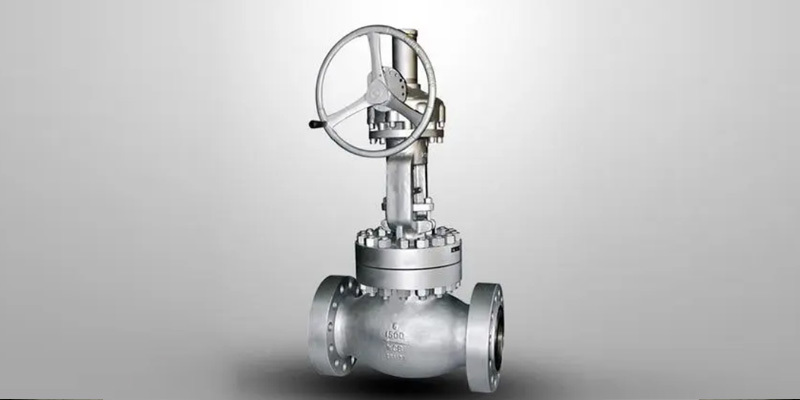
Globe valves are widely used for flow regulation due to their linear motion. They are ideal for throttling applications where precise control is required. Their design allows for effective flow management, making them suitable for steam and chemical processes.
2. Ball Valves
Ball valves are known for their durability and ability to provide a tight seal. They are commonly used in applications that require quick shut-off, such as water, oil, and gas. Their reliability under high pressure and temperature makes them suitable for various industrial applications.
3. Butterfly Valves
Butterfly valves are efficient for regulating flow with minimal pressure drop. They are often used in large-scale applications, such as water treatment plants and HVAC systems. Their lightweight design and compact size allow for easy installation and operation.
4. Check Valves
Check valves prevent backflow in piping systems, ensuring that fluids flow in the intended direction. They are critical in protecting pumps and other equipment from potential damage due to reverse flow.
Factors to Consider When Selecting Control Valves
Selecting the right control valve is crucial for ensuring optimal performance in industrial applications. Here are some key factors to consider:
1. Process Conditions
Understanding the operational environment, including pressure, temperature, and the type of fluid, is essential. The control valve must be compatible with these conditions to function reliably.
2. Valve Size and Type
Correct sizing is vital to ensure that the control valve can handle the required flow rates without causing excessive pressure drops. Choosing the appropriate type based on the operation—be it throttling or on/off—is also important.
3. Material Compatibility
The materials used in the construction of control valves should be resistant to corrosion and wear, especially in harsh conditions. This consideration helps prolong the lifespan of the valve and maintain system integrity.
4. Actuation Options
Control valves can be manually operated or automated. Depending on the application, choosing the right actuation method—pneumatic, hydraulic, or electric—can enhance the control and efficiency of the valve.
Maintenance Practices for Reliable Control Valves
1. Regular Inspection and Testing
Routine inspections are essential to detect wear and potential malfunctions. Regular testing of valve performance ensures they operate within specified parameters.
2. Cleaning and Lubrication
Accumulated dirt and debris can hinder valve performance. Regular cleaning and lubrication of moving parts can enhance reliability and extend the lifespan of control valves.
3. Calibration and Adjustment
Over time, control valves may require recalibration to ensure they maintain accurate flow control. Regular adjustments based on operational feedback can optimize performance.
Case Studies: The Impact of Reliable Control Valves in Industrial Settings
1. Chemical Manufacturing
In a chemical manufacturing plant, the introduction of high-quality control valves significantly reduced operational downtime by 30%. By ensuring accurate flow control, the plant improved production efficiency and minimized waste.
2. Water Treatment Facilities
A water treatment facility implemented automated butterfly valves, which improved response times and reduced manual labor. The facility reported enhanced process control and a 25% increase in overall productivity.
3. Oil and Gas Industry
In the oil and gas sector, reliable ball valves helped prevent leaks in critical locations, improving safety outcomes. The reduction in leaks resulted in substantial cost savings and minimized environmental impact.
Frequently Asked Questions (FAQs) About Control Valves
1. What are control valves used for?
Control valves are used to regulate the flow, pressure, and temperature of fluids in industrial processes.
2. How do I choose the right control valve?
Consider factors such as process conditions, valve size, material compatibility, and actuation options when choosing a control valve.
3. What maintenance is required for control valves?
Regular inspections, cleaning, lubrication, and recalibration are essential maintenance practices for control valves.
4. Can control valves be automated?
Yes, many control valves can be automated using pneumatic, hydraulic, or electric actuators to enhance control and efficiency.
5. What are the consequences of using unreliable control valves?
Using unreliable control valves can lead to inefficiencies, increased downtime, safety hazards, and costly repairs.
Conclusion
In conclusion, reliable control valves are indispensable components of any industrial application. They enhance efficiency, ensure safety, and reduce operational costs, making them a critical investment for any industry. By understanding the various types of control valves, factors affecting their selection, and the importance of maintenance, businesses can significantly improve their operational performance. Investing in high-quality control valves not only safeguards processes but also propels industries toward greater success and sustainability.
Key words:
More news
Essential Installation Tips for Two-Piece Flanged Ball Valves in Industrial Settings
Understanding Cast Steel Floating Ball Valves: Key Features and Applications
Floating Ball Valve vs. Traditional Valves: What You Need to Know for Optimal Performance
Maximizing Reliability: How Customized Regulating Valves Enhance System Performance
Top Features to Look for in China’s Automatic Water Control Valves
Key Features to Look for in Quality Industrial Control Valves

National sales hotline 7*24 hours
Address: 801-805 Jingshan Road, Guannan Industrial Zone, jimei district, Xiamen City


