

-
General Purpose Valve Series Butterfly valve series Ball valve series Hydraulic control valve series Corrosion-resistant valve series Bellows valve series Regulating valve seriesThree eccentric butterfly valve series Two-way double eccentric metal hard seal butterfly valve Soft seal butterfly valve series Other Butterfly Valve SeriesHydraulic control valve series Multi-function water control valve Elastic Seated Gate Valve On-off electric valve

- All
- Product Management
- News
- Introduction
- Enterprise outlets
- FAQ
- Enterprise Video
- Enterprise Atlas
Troubleshooting Your Industrial Control Valves: A Comprehensive Step-by-Step Guide
Release time:
Aug 13,2025
Troubleshooting Your Industrial Control Valves: A Comprehensive Step-by-Step Guide
Table of Contents
- Understanding Industrial Control Valves
- Common Issues with Control Valves
- Step-by-Step Troubleshooting Guide
- Best Practices for Maintaining Control Valves
- When to Call a Professional
- Frequently Asked Questions
- Conclusion
Understanding Industrial Control Valves
Industrial control valves are critical components in various processes, regulating flow, pressure, temperature, and level across multiple applications. These valves ensure systems operate efficiently and safely, making them indispensable in industries such as oil and gas, water treatment, chemical manufacturing, and HVAC systems. Understanding the functionality and significance of these valves lays the groundwork for effective troubleshooting.
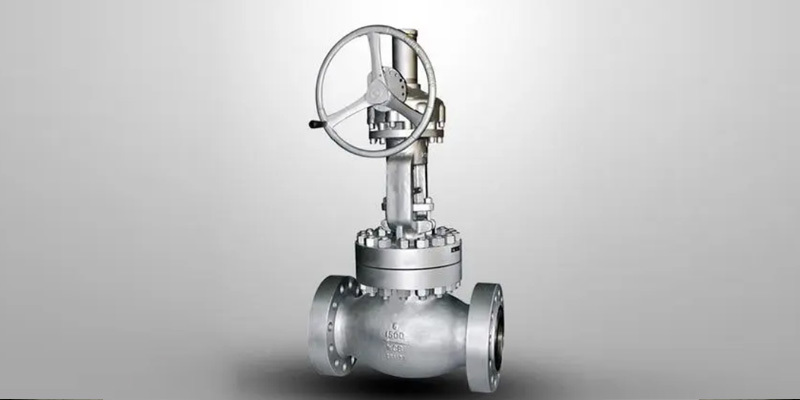
Control valves work by modulating the flow of fluids through a piping system, using a combination of mechanical and electronic components. The primary types of control valves include globe valves, ball valves, butterfly valves, and diaphragm valves, each designed for specific functions. Their complexity necessitates regular maintenance and troubleshooting to prevent operational failures.
Common Issues with Control Valves
Identifying potential problems before they escalate is crucial for maintaining operational efficiency. Here are some of the most common issues encountered with industrial control valves:
1. Leakages
Leakages can occur due to worn-out seals, improper installation, or physical damage. They can lead to loss of pressure and fluid, compromising system integrity.
2. Valve Sticking
Valve sticking often results from corrosion, dirt buildup, or lack of lubrication. This can prevent the valve from opening or closing correctly, disrupting process control.
3. Erratic Operation
Erratic performance may manifest as unpredictable valve movement or failure to respond accurately to control signals. This problem often stems from faulty actuators, control signals, or mechanical wear.
4. Noise and Vibration
Excessive noise or vibration can indicate problems within the valve or the system, such as cavitation or hydraulic issues. Addressing these concerns promptly is vital to prevent further damage.
5. Poor Flow Control
Inadequate flow control can result from valve sizing issues, incorrect calibration, or accumulation of debris. This can drastically affect the efficiency of industrial processes.
Step-by-Step Troubleshooting Guide
Troubleshooting industrial control valves requires a systematic approach. Our step-by-step guide will help you diagnose and resolve common issues effectively.
Initial Assessment
Before diving into repairs, begin with an initial assessment of the system. Gather information about the valve's application, operating conditions, and symptoms of the problem. This step is crucial for understanding the context in which the valve operates and the potential impact of the issues at hand.
Visual Inspection
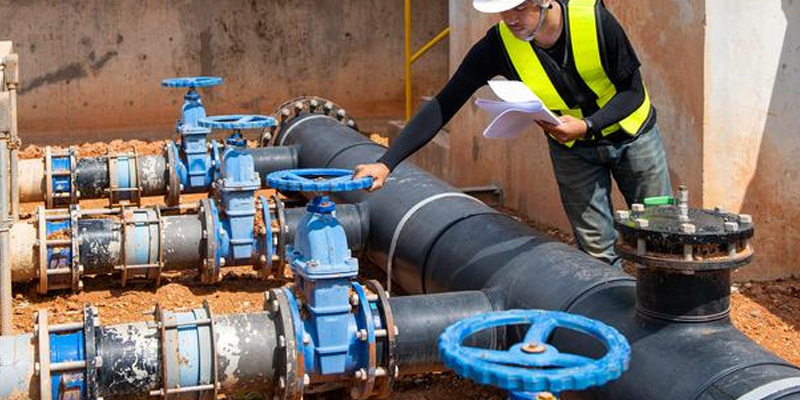
Conduct a thorough visual inspection of the valve and surrounding components. Look for signs of physical damage, corrosion, or wear. Check for leaks at the seals and joints, and ensure all connections are tight. A visual inspection can often reveal straightforward issues that can be rectified without further intervention.
Testing the Valve
Testing the valve allows for a comprehensive evaluation of its operational performance. Depending on the valve type, you may perform:
- **Functional Tests**: Manually operate the valve to assess its responsiveness.
- **Pressure Tests**: Measure the pressure before and after the valve to determine flow rate and efficiency.
- **Signal Tests**: For actuated valves, verify that the control signal is being sent and received correctly.
These tests provide insight into how well the valve performs under normal operating conditions.
Diagnosing Problems
After completing the visual inspection and testing, the next step is diagnosing the problems. Analyze the symptoms and test results to pinpoint the exact issue. For example:
- If the valve is leaking, check the seals and determine if they need replacement.
- If the valve is sticking, investigate potential causes such as debris in the system or a lack of lubrication.
Document your findings to establish a clear understanding of the issues present.
Repair or Replace?
Deciding whether to repair or replace a valve depends on several factors, including the severity of the issue, the age of the valve, and the cost of repairs. If the valve is relatively new and minor repairs can restore full functionality, opt for repairs. However, if the valve is old and exhibits multiple issues, replacing it may be the more cost-effective and reliable solution.
Best Practices for Maintaining Control Valves
Prevention is always better than cure. Implementing best practices for maintaining control valves can significantly extend their lifespan and operational efficiency.
1. Regular Inspections
Schedule routine inspections to catch problems before they become severe. Regular checks can help identify wear and tear early on.
2. Proper Lubrication
Ensure that all moving parts of the control valve are adequately lubricated according to manufacturer specifications. This will minimize friction and reduce the likelihood of sticking.
3. Calibration
Regularly calibrate the control system to ensure the valve responds accurately to control signals. This is essential for maintaining precise flow control.
4. Cleanliness
Keep the surrounding area clean and free of debris. Contaminants can enter the valve and lead to operational issues.
5. Staff Training
Invest in training your staff on the proper operation and maintenance of control valves. Knowledgeable personnel can quickly identify and address issues.
When to Call a Professional
Certain situations may require professional assistance. If you encounter complex problems, lack the necessary tools, or if safety is a concern, it’s best to consult with a qualified technician. Specialized expertise can ensure that repairs are made correctly and efficiently, minimizing downtime and prolonging system life.
Frequently Asked Questions
1. What are the signs of a faulty control valve?
Signs include leaks, erratic operation, noise, and poor flow control. Regular checks can help identify these issues.
2. How often should industrial control valves be inspected?
Inspect control valves at least once a year, or more frequently if they operate in harsh conditions.
3. Can I repair a control valve myself?
Minor repairs can often be managed in-house; however, complex issues should be handled by a professional.
4. What is the typical lifespan of an industrial control valve?
With proper maintenance, industrial control valves can last anywhere from 10 to 30 years, depending on the application.
5. How do I choose the right replacement valve?
Consider factors such as application requirements, flow characteristics, and compatibility with existing systems when selecting a replacement valve.
Conclusion
Troubleshooting industrial control valves is a crucial aspect of maintaining operational efficiency in various industrial applications. By following a systematic approach outlined in this guide, you can effectively diagnose and resolve common issues that may arise. Regular maintenance and adopting best practices will not only enhance the longevity of your control valves but also optimize their performance. Whether you choose to address problems in-house or consult with a professional, understanding the fundamentals of control valve operation will empower you to make informed decisions and ensure seamless process management.
Key words:
More news
Essential Installation Tips for Two-Piece Flanged Ball Valves in Industrial Settings
Understanding Cast Steel Floating Ball Valves: Key Features and Applications
Floating Ball Valve vs. Traditional Valves: What You Need to Know for Optimal Performance
Maximizing Reliability: How Customized Regulating Valves Enhance System Performance
Top Features to Look for in China’s Automatic Water Control Valves
Key Features to Look for in Quality Industrial Control Valves

National sales hotline 7*24 hours
Address: 801-805 Jingshan Road, Guannan Industrial Zone, jimei district, Xiamen City


