

-
General Purpose Valve Series Butterfly valve series Ball valve series Hydraulic control valve series Corrosion-resistant valve series Bellows valve series Regulating valve seriesThree eccentric butterfly valve series Two-way double eccentric metal hard seal butterfly valve Soft seal butterfly valve series Other Butterfly Valve SeriesHydraulic control valve series Multi-function water control valve Elastic Seated Gate Valve On-off electric valve
- All
- Product Management
- News
- Introduction
- Enterprise outlets
- FAQ
- Enterprise Video
- Enterprise Atlas
Best Practices for Installing Regulating Valves in Your System
Release time:
Aug 15,2025
Best Practices for Installing Regulating Valves in Your System
Table of Contents
- Understanding Regulating Valves
- The Importance of Proper Installation
- Types of Regulating Valves
- Pre-Installation Considerations
- Step-by-Step Installation Process
- Post-Installation Checks
- Common Installation Mistakes to Avoid
- Maintenance Tips for Regulating Valves
- Frequently Asked Questions (FAQs)
Understanding Regulating Valves
Regulating valves play a crucial role in controlling the flow and pressure of fluids within various industrial systems. Their primary function is to maintain a desired set-point by adjusting the flow rate. This ensures that the system operates efficiently and reliably, reducing the risk of failures or damage. Understanding how these valves work is essential for effective installation and long-term performance.
The Importance of Proper Installation
Proper installation of regulating valves is vital for achieving optimal performance. Ineffective installation can lead to poor flow control, increased wear and tear, and even catastrophic failures. By following best practices, we can ensure that the regulating valves operate as intended, maximizing system efficiency and longevity.
Types of Regulating Valves
There are several types of regulating valves, each designed for specific applications. Understanding the differences can help in selecting the right valve for your system:
1. Globe Valves
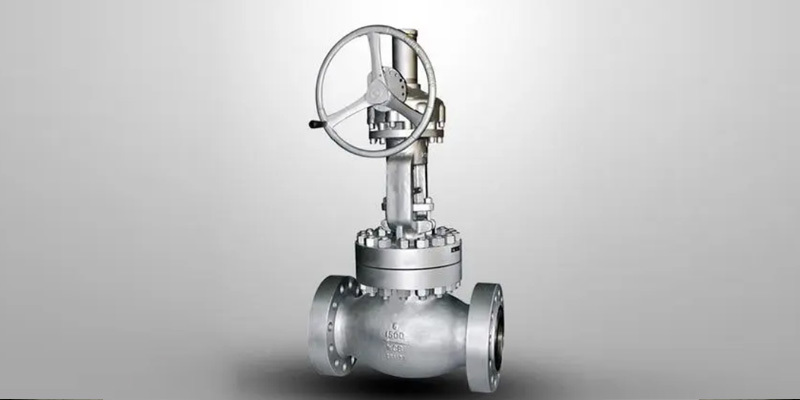
Globe valves are commonly used for flow regulation due to their excellent throttling capabilities. They provide smooth flow control and minimal turbulence.
2. Ball Valves
Ball valves offer quick shut-off capabilities and are ideal for applications requiring full flow or no flow. They are less effective for throttling but can be used in conjunction with other valves for regulation.
3. Butterfly Valves
Butterfly valves are lightweight and compact, making them suitable for large-scale applications. They are effective for regulating flow in larger pipelines.
4. Pressure Relief Valves
These valves are critical for safety, ensuring that the pressure within the system does not exceed a predetermined limit. They automatically open to release pressure when necessary.
Pre-Installation Considerations
Before installing regulating valves, several factors must be considered to ensure a successful outcome:
1. System Requirements
Understand the specific requirements of your system, including flow rates, pressure specifications, and the type of fluid being regulated. This information will inform your valve selection.
2. Valve Sizing
Choosing the right size of the regulating valve is crucial. An undersized valve cannot handle the required flow, while an oversized valve can lead to instability in the system. Utilize flow charts and calculation formulas to determine the appropriate size.
3. Material Compatibility
The materials used in the valve must be compatible with the fluid to prevent corrosion and ensure longevity. Consider factors such as temperature and pressure when selecting materials.
4. Installation Environment
Assess the environment where the valve will be installed. Factors such as space constraints, accessibility, and ambient conditions can influence installation techniques.
Step-by-Step Installation Process
Installing regulating valves requires careful attention to detail. Here are the steps to follow for a successful installation:
1. Gather Necessary Tools and Materials
Have all necessary tools on hand, including wrenches, screwdrivers, thread sealants, and personal protective equipment (PPE). Ensure that the valve and any accompanying fittings are ready for installation.
2. Shut Down the System
Before beginning the installation, shut down the system and relieve any pressure within the lines. This step is crucial for ensuring safety during the installation process.
3. Inspect the Installation Area
Check the installation area for any debris, contaminants, or old fittings that may interfere with the new valve. Clean the area thoroughly to prevent issues during operation.
4. Install the Valve
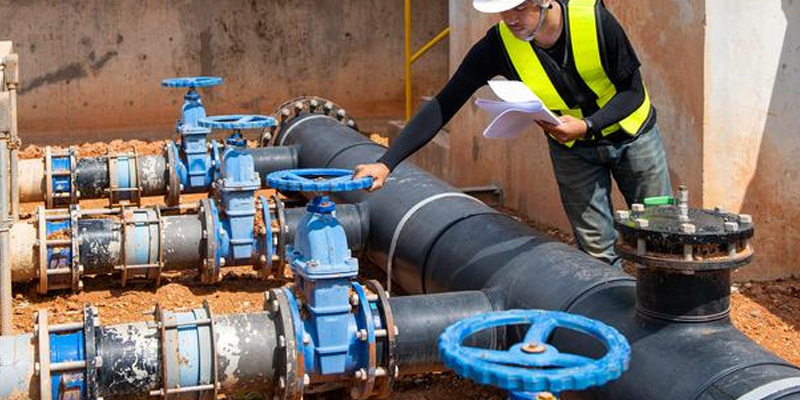
Position the regulating valve in the correct orientation as specified by the manufacturer. Many valves have directional arrows indicating the flow path. Secure the valve using appropriate fittings and tools, ensuring a tight seal without over-tightening, which can damage the valve.
5. Connect the Actuator (if applicable)
If your valve is equipped with an actuator, carefully connect it following the manufacturer's instructions. Ensure that electrical connections are secure and that the actuator is calibrated for the valve type.
6. Check for Leaks
Once the valve is installed, turn on the system slowly and check for leaks at all connection points. Address any leaks immediately to prevent fluid loss and ensure system integrity.
Post-Installation Checks
After installation, it is essential to conduct several checks to ensure everything is functioning correctly:
1. System Testing
Run the system at various flow rates to test the valve's performance. Monitor the pressure and flow closely, making adjustments as necessary to maintain the desired set-point.
2. Calibration
If applicable, calibrate the actuator and control settings to ensure the valve responds accurately to system demands. This process may involve fine-tuning the control signals.
3. Regular Monitoring
Implement a monitoring schedule to regularly check the valve's performance. Look for signs of wear, leaks, or malfunctions that may require attention.
Common Installation Mistakes to Avoid
Even experienced technicians can make mistakes during installation. Here are some common pitfalls to watch out for:
1. Neglecting the Flow Direction
Installing the valve backwards can cause significant operational issues. Always double-check the flow direction indicated on the valve before securing it in place.
2. Over-tightening Connections
Applying too much force when tightening connections can damage valve components and create leaks. Use the appropriate torque specifications provided by the manufacturer.
3. Ignoring Manufacturer Guidelines
Every valve manufacturer provides specific guidelines for installation. Failing to follow these can lead to performance issues and void warranties.
Maintenance Tips for Regulating Valves
To ensure the longevity and effective performance of regulating valves, regular maintenance is essential:
1. Routine Inspections
Schedule routine inspections to check for leaks, corrosion, and the overall condition of the valve.
2. Clean the Valve
Keep the valve clean from debris and contaminants. Regular cleaning can prevent operational issues and extend the valve's life.
3. Replace Worn Parts
Identify and replace worn or damaged components promptly to maintain efficient operation.
Frequently Asked Questions (FAQs)
1. What are the signs that a regulating valve needs replacement?
Signs include leaks, unusual noise, inconsistent flow rates, or failure to maintain pressure.
2. How often should I inspect my regulating valves?
Regular inspections should be conducted at least annually, or more frequently if the system operates under extreme conditions.
3. Can I install a regulating valve myself?
If you have the necessary skills and knowledge of the system, you may install it yourself. However, hiring a professional is recommended for complex systems.
4. What type of maintenance do regulating valves require?
Maintenance typically includes inspections, cleaning, and the replacement of worn parts as needed.
5. How do I choose the right regulating valve for my system?
Consider factors such as the type of fluid, flow rates, pressure requirements, and environmental conditions when selecting a valve.
Conclusion
Installing regulating valves correctly is crucial for the efficiency and reliability of your industrial system. By understanding the types of valves, considering pre-installation factors, and following a systematic installation process, we can ensure optimal performance and longevity. Regular maintenance and adherence to best practices will further enhance the effectiveness of regulating valves in your systems. By avoiding common mistakes and implementing routine checks, we can ultimately achieve a more efficient and reliable operation.
Key words:
More news
Essential Installation Tips for Two-Piece Flanged Ball Valves in Industrial Settings
Understanding Cast Steel Floating Ball Valves: Key Features and Applications
Floating Ball Valve vs. Traditional Valves: What You Need to Know for Optimal Performance
Maximizing Reliability: How Customized Regulating Valves Enhance System Performance
Top Features to Look for in China’s Automatic Water Control Valves
Key Features to Look for in Quality Industrial Control Valves

National sales hotline 7*24 hours
Address: 801-805 Jingshan Road, Guannan Industrial Zone, jimei district, Xiamen City


