

-
General Purpose Valve Series Butterfly valve series Ball valve series Hydraulic control valve series Corrosion-resistant valve series Bellows valve series Regulating valve seriesThree eccentric butterfly valve series Two-way double eccentric metal hard seal butterfly valve Soft seal butterfly valve series Other Butterfly Valve SeriesHydraulic control valve series Multi-function water control valve Elastic Seated Gate Valve On-off electric valve

- All
- Product Management
- News
- Introduction
- Enterprise outlets
- FAQ
- Enterprise Video
- Enterprise Atlas
Understanding Bellows Valves: Key Insights for Industrial Applications
Release time:
Aug 30,2025
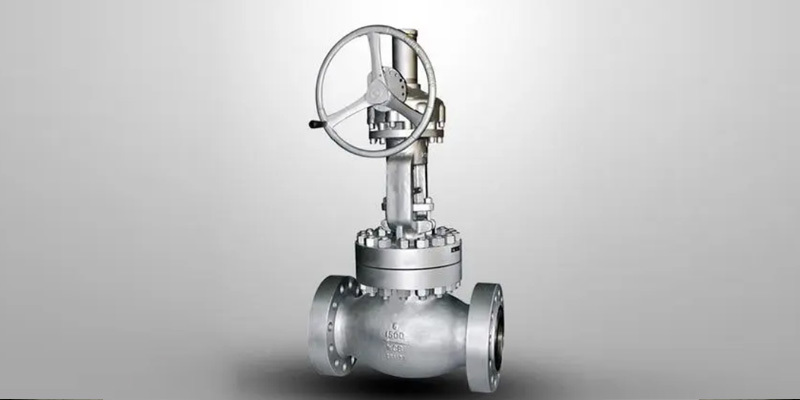
The core design of a bellows valve consists of a metallic or elastomeric bellows that expands and contracts as needed. This flexible mechanism allows for precise control over fluid flow while minimizing the risk of leakage. Unlike conventional valves that rely on gaskets or O-rings, which can wear out over time, bellows valves offer a more reliable sealing solution, making them ideal for applications where leakage can lead to contamination or safety hazards.
One of the primary applications of bellows valves is in the chemical processing industry. The ability to handle aggressive fluids without leaking is crucial in environments where even a small leak can have severe consequences. Bellows valves are also commonly found in pharmaceutical manufacturing, where maintaining the purity of substances is paramount. Their design ensures that no contaminants can enter the system, preserving the integrity of the product being processed.
In addition to their use in chemical and pharmaceutical industries, bellows valves are increasingly employed in applications involving high temperatures and pressures. Their robust construction allows them to withstand harsh operating conditions, making them an excellent choice for oil and gas applications, as well as power generation. The ability to effectively manage extreme environments without compromising performance is a significant advantage that sets bellows valves apart from conventional counterparts.
Another essential benefit of bellows valves is their longevity. The absence of traditional seals reduces maintenance costs and downtime associated with valve replacements or repairs. This durability not only enhances operational efficiency but also contributes to a safer working environment by minimizing the chances of unexpected valve failures.
When selecting a bellows valve for a specific application, it is crucial to consider factors such as the type of fluid, operating temperature, and pressure requirements. Collaboration with experienced suppliers or manufacturers can help ensure that the right valve is chosen to meet the operational demands effectively.
In conclusion, bellows valves play a vital role in a variety of industrial applications, offering unique advantages such as leak prevention, durability, and versatility. Understanding their functionality and benefits can significantly aid professionals in selecting the appropriate valve for their specific needs, thus enhancing operational efficiency and safety in their processes.
Key words:
More news
Essential Installation Tips for Two-Piece Flanged Ball Valves in Industrial Settings
Understanding Cast Steel Floating Ball Valves: Key Features and Applications
Floating Ball Valve vs. Traditional Valves: What You Need to Know for Optimal Performance
Maximizing Reliability: How Customized Regulating Valves Enhance System Performance
Top Features to Look for in China’s Automatic Water Control Valves
Key Features to Look for in Quality Industrial Control Valves

National sales hotline 7*24 hours
Address: 801-805 Jingshan Road, Guannan Industrial Zone, jimei district, Xiamen City


