

-
General Purpose Valve Series Butterfly valve series Ball valve series Hydraulic control valve series Corrosion-resistant valve series Bellows valve series Regulating valve seriesThree eccentric butterfly valve series Two-way double eccentric metal hard seal butterfly valve Soft seal butterfly valve series Other Butterfly Valve SeriesHydraulic control valve series Multi-function water control valve Elastic Seated Gate Valve On-off electric valve

- All
- Product Management
- News
- Introduction
- Enterprise outlets
- FAQ
- Enterprise Video
- Enterprise Atlas
Maximizing Efficiency with the Right Industrial Control Valve Selection
Release time:
Sep 02,2025
Maximizing Efficiency with the Right Industrial Control Valve Selection
Table of Contents
- Understanding Industrial Control Valves
- Importance of Control Valve Selection in Industrial Processes
- Types of Control Valves: A Comprehensive Overview
- Key Factors in Selecting Control Valves for Maximum Efficiency
- Materials and Design Considerations for Control Valves
- Applications of Industrial Control Valves Across Industries
- Common Mistakes in Control Valve Selection and How to Avoid Them
- Future Trends in Control Valve Technology
- Conclusion
- FAQs About Industrial Control Valve Selection
Understanding Industrial Control Valves
Control valves are essential components of any industrial system. They regulate the flow of liquids and gases, ensuring optimal performance and efficiency. By controlling the flow rate, pressure, and temperature, these valves play a critical role in maintaining process stability and safety. Understanding the fundamental structure and function of control valves is crucial for making informed selection decisions.
What Are Control Valves?
Control valves are devices that manage the flow of fluids within a system by manipulating the size of the flow passage as directed by a controller. They can be either manual or automatic and are often equipped with actuators that enable them to respond to control signals.
How Control Valves Work
Control valves work by modifying the flow of a fluid based on the desired setpoint. Sensors detect various parameters such as pressure, temperature, and flow rate, sending this information to a control system. The control system processes this data and sends signals to the valve actuator, adjusting the valve position to maintain the desired conditions.
Importance of Control Valve Selection in Industrial Processes
Selecting the right control valve is critical for enhancing the efficiency and reliability of industrial processes. The choice of control valve impacts operational costs, energy consumption, and overall system performance. A well-chosen valve can lead to significant improvements in process control, including:
Improved Process Efficiency
A properly selected control valve can enhance flow regulation, leading to more stable process conditions and reduced downtime from system failures.
Cost Reduction
By optimizing flow control and reducing energy waste, the right control valve can significantly lower operational costs over time.
Enhanced Safety
Control valves are integral to system safety. Choosing the appropriate valve helps prevent overpressure, leaks, and other hazardous conditions.
Types of Control Valves: A Comprehensive Overview
There are various types of control valves, each suited for specific applications and requirements. Understanding the distinctions between them is essential for optimal selection.
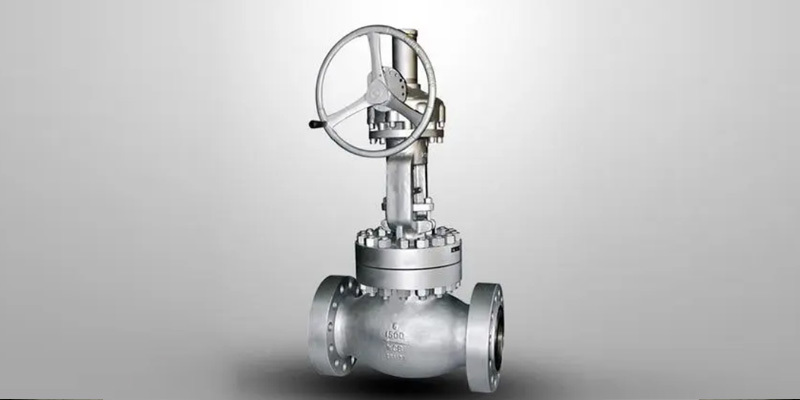
Globe Valves
Globe valves are known for their excellent throttling capabilities. They feature a spherical body and are ideal for regulating flow in various applications.
Ball Valves
Ball valves offer quick shut-off capabilities and are ideal for on/off control. Their design allows for minimal pressure drop, making them suitable for high-speed applications.
Butterfly Valves
Butterfly valves are lightweight and require less space. They are ideal for large flow applications and are typically used in water and wastewater treatment.
Check Valves
Check valves are designed to prevent backflow in a system, ensuring fluid flows in one direction. They are crucial for protecting equipment and maintaining system integrity.
Solenoid Valves
Solenoid valves are electromechanical valves used for controlling the flow of liquids or gases. They are commonly used in automation systems and require electrical signals to operate.
Key Factors in Selecting Control Valves for Maximum Efficiency
To maximize efficiency, several key factors must be considered when selecting control valves.
Flow Characteristics
Understanding the fluid flow characteristics is vital. Factors such as flow rate, viscosity, and pressure drop must be evaluated to select a valve that can handle the specific requirements of the application.
Size and Capacity
Selecting the right valve size is critical. An oversized valve can lead to poor control, while an undersized valve may not handle the required flow, causing operational issues.
Compatibility with Fluid Type
The valve material must be compatible with the fluid being handled. Factors such as temperature, pressure, and chemical composition play a significant role in material selection.
Actuation Method
Choosing the appropriate actuation method (electric, pneumatic, or hydraulic) depends on the specific requirements of the system. Each method has its advantages and limitations, impacting control precision and response time.
Maintenance and Reliability
Consideration should be given to the valve’s maintenance requirements and reliability. A reliable valve will reduce downtime and maintenance costs, contributing to overall efficiency.
Materials and Design Considerations for Control Valves
The material selection for control valves is crucial as it affects performance, lifespan, and maintenance.
Common Materials Used in Control Valves
Control valves are typically made from various materials, including stainless steel, brass, and plastic. Each material has distinct advantages concerning corrosion resistance, weight, and thermal conductivity.
Design Features
Design features such as the valve body type, trim design, and seat design significantly impact the valve's operational efficiency. For instance, a streamlined body design can minimize pressure drop, enhancing flow efficiency.
Applications of Industrial Control Valves Across Industries
Control valves are widely utilized across various industries, each with specific requirements and applications.
Oil and Gas Industry
In the oil and gas sector, control valves manage the flow of hydrocarbons and ensure safety and efficiency in drilling and refining processes.
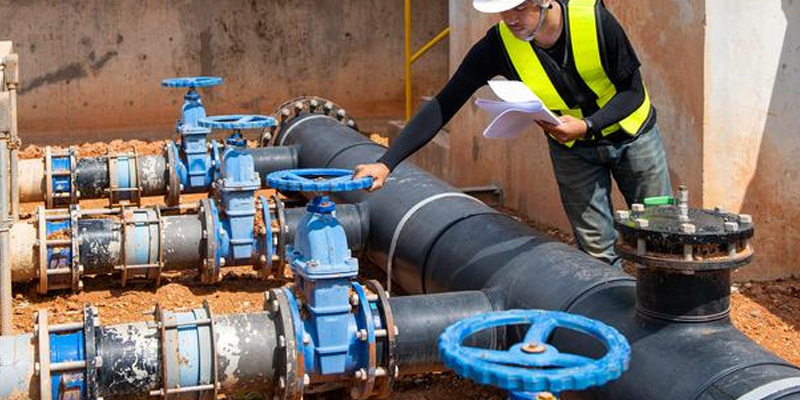
Water Treatment Facilities
Control valves in water treatment plants regulate the flow of water, chemicals, and air, contributing to the purification and distribution of clean water.
Chemical Processing
In chemical plants, control valves are vital for regulating the flow of reactants, ensuring safe and efficient chemical reactions.
Heating, Ventilation, and Air Conditioning (HVAC)
In HVAC systems, control valves are used to regulate airflow and temperatures, ensuring comfort and energy efficiency.
Food and Beverage Industry
Control valves are essential in the food industry for maintaining hygiene and controlling the flow of liquids and gases in processing and packaging.
Common Mistakes in Control Valve Selection and How to Avoid Them
Making mistakes in control valve selection can lead to inefficiencies and increased costs. Common pitfalls include:
Ignoring Fluid Characteristics
Not considering the specific properties of the fluid can result in rapid wear and failure of the valve. Always assess the fluid's viscosity, temperature, and chemical composition.
Incorrect Sizing
Choosing the wrong valve size can lead to poor performance. Engage with flow specialists to determine the correct size for your application.
Neglecting Maintenance Needs
Overlooking the maintenance requirements of a valve can lead to unexpected failures. Select valves that balance performance with ease of maintenance.
Overcomplicating Actuation Methods
Choosing overly complex actuation methods without assessing the system’s needs can lead to inefficiencies. Simple solutions often provide the best performance.
Future Trends in Control Valve Technology
As technology evolves, so do control valves. Future trends include:
Smart Control Valves
Integration of IoT technology in control valves allows for remote monitoring and predictive maintenance, enhancing efficiency and reliability.
Advanced Materials
The development of new materials to withstand extreme conditions will improve valve lifespan and performance.
Sustainability Practices
As industries focus on sustainability, control valves designed for energy efficiency and reduced waste will become more prevalent.
Conclusion
Selecting the right control valve is integral to maximizing efficiency in industrial processes. By understanding the various types of valves, the factors influencing selection, and the implications of materials and designs, industries can enhance their operational performance and reduce costs. As technology advances, staying informed about trends will further empower industries to make optimal choices in control valve selection.
FAQs About Industrial Control Valve Selection
1. What factors should I consider when selecting a control valve?
Consider flow characteristics, size and capacity, fluid compatibility, actuation method, and maintenance needs.
2. How do I determine the correct size for a control valve?
Conduct a flow analysis to assess the required flow rate and pressure drop, and consult with flow specialists if necessary.
3. Are there specific materials better suited for corrosive fluids?
Yes, materials such as stainless steel and certain alloys are often preferred for handling corrosive fluids due to their resistance to chemical degradation.
4. How can smart technology improve control valve performance?
Smart technology allows for real-time monitoring and predictive maintenance, enhancing the control valve's reliability and operational efficiency.
5. What are the consequences of selecting the wrong control valve?
Selecting the wrong control valve can lead to inefficient flow management, increased operational costs, and potential safety hazards.
By carefully considering the factors outlined in this guide, organizations can make informed decisions that lead to enhanced efficiency and reliability in their industrial processes.
Key words:
More news
Essential Installation Tips for Two-Piece Flanged Ball Valves in Industrial Settings
Understanding Cast Steel Floating Ball Valves: Key Features and Applications
Floating Ball Valve vs. Traditional Valves: What You Need to Know for Optimal Performance
Maximizing Reliability: How Customized Regulating Valves Enhance System Performance
Top Features to Look for in China’s Automatic Water Control Valves
Key Features to Look for in Quality Industrial Control Valves

National sales hotline 7*24 hours
Address: 801-805 Jingshan Road, Guannan Industrial Zone, jimei district, Xiamen City


