

-
General Purpose Valve Series Butterfly valve series Ball valve series Hydraulic control valve series Corrosion-resistant valve series Bellows valve series Regulating valve seriesThree eccentric butterfly valve series Two-way double eccentric metal hard seal butterfly valve Soft seal butterfly valve series Other Butterfly Valve SeriesHydraulic control valve series Multi-function water control valve Elastic Seated Gate Valve On-off electric valve
- All
- Product Management
- News
- Introduction
- Enterprise outlets
- FAQ
- Enterprise Video
- Enterprise Atlas
The Role of Regulating Valves in Energy Conservation: Optimizing Industrial Efficiency
Release time:
Sep 04,2025
The Role of Regulating Valves in Energy Conservation
In today's industrial landscape, energy conservation is more critical than ever. As companies strive to reduce operational costs and minimize their environmental footprint, the focus on energy-efficient solutions grows increasingly vital. One key component in this endeavor is the **regulating valve**, a device that plays a pivotal role in controlling fluid flow and maintaining system efficiency. This article explores the integral role of regulating valves in energy conservation, highlighting their functionality, benefits, and implementation strategies.
Understanding Regulating Valves: What Are They and How Do They Work?
Regulating valves, also known as control valves, are essential components in various industrial applications, including HVAC systems, water treatment plants, and chemical process industries.
The Functionality of Regulating Valves
At their core, regulating valves manage the flow of fluids—liquids or gases—within a system. They adjust the flow rate based on specific input signals, which can come from temperature, pressure, or flow sensors. By modulating the fluid flow, these valves help maintain optimal operating conditions, preventing energy waste and enhancing system performance.
Types of Regulating Valves
There are several types of regulating valves, each with unique features suited for different applications:
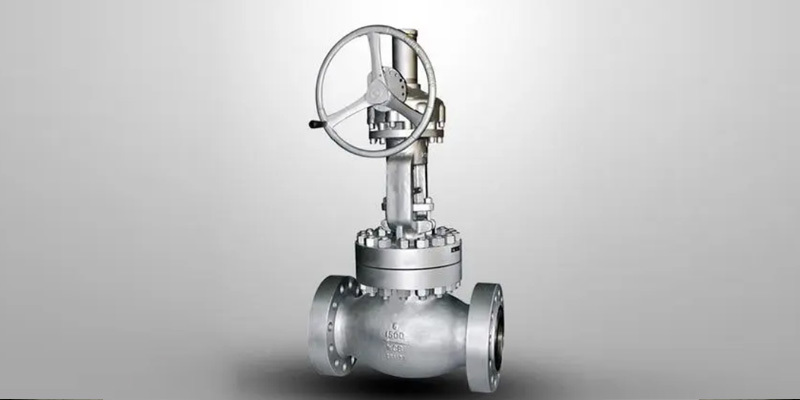
1. **Globe Valves**: Known for their robust design and precise flow control, globe valves are widely used in applications requiring accurate regulation.
2. **Ball Valves**: Offering quick on/off control, ball valves are ideal for applications where rapid flow changes are necessary.
3. **Butterfly Valves**: These lightweight valves provide efficient flow regulation and are commonly used in large-scale applications.
4. **Control Valves**: Specifically designed for flow control, these valves can automatically adjust based on the system's requirements.
Understanding the type of regulating valve best suited for a particular application is crucial for maximizing energy efficiency.
The Importance of Energy Conservation in Industrial Operations
Energy conservation directly impacts the bottom line for industrial businesses. With rising energy costs and increasing environmental regulations, organizations are under pressure to adopt more sustainable practices.
Financial Benefits of Energy Conservation
Implementing energy-efficient practices can lead to significant cost savings. Reduced energy consumption translates to lower utility bills, allowing companies to allocate resources to other critical areas. Furthermore, many governments offer incentives for organizations that demonstrate a commitment to energy conservation.
Environmental Impact of Energy Conservation
Beyond financial benefits, energy conservation contributes to reduced greenhouse gas emissions and a smaller environmental footprint. By optimizing energy use, industries can play a crucial role in combating climate change and promoting sustainability.
How Regulating Valves Contribute to Energy Efficiency
Regulating valves make a substantial impact on energy conservation by enhancing system performance and reducing waste.
Precise Flow Control
One of the primary advantages of regulating valves is their ability to provide precise flow control. By adjusting the flow rate according to the system's needs, these valves prevent excess energy consumption. For instance, in a heating system, a regulating valve can modulate hot water flow to maintain the desired temperature without overworking the boiler.
Reduced Energy Loss
In many industrial applications, improper flow rates can lead to energy loss. Regulating valves minimize this loss by ensuring that systems operate within their optimal parameters. For example, in a cooling system, a regulating valve can adjust the refrigerant flow, preventing the compressor from cycling on and off excessively, which often leads to energy waste.
Best Practices for Implementing Regulating Valves
To fully harness the benefits of regulating valves for energy conservation, organizations should consider the following best practices:
Select the Right Valve for Your Application
Choosing the appropriate type and size of regulating valve is crucial for optimizing performance. Factors such as fluid type, flow rate, and pressure requirements should guide the selection process.
Regular Maintenance and Inspection
Like any mechanical component, regulating valves require regular maintenance to ensure they function correctly. Conducting routine inspections can help identify wear and tear, preventing potential failures that could lead to energy inefficiencies.
Utilize Advanced Control Systems
Integrating advanced control systems, such as automated flow control technologies, can enhance the performance of regulating valves. These systems can dynamically adjust valve positions based on real-time data, further optimizing energy consumption.
Real-World Applications of Regulating Valves in Energy Conservation
Several industries have successfully implemented regulating valves to enhance energy efficiency. Here are a few notable examples:
Chemical Processing Industry
In chemical processing plants, regulating valves play a critical role in controlling the flow of reactants and products. By ensuring precise flow rates, these valves help maintain optimal reaction conditions, reducing the risk of energy waste and improving yield.
Water Treatment Facilities
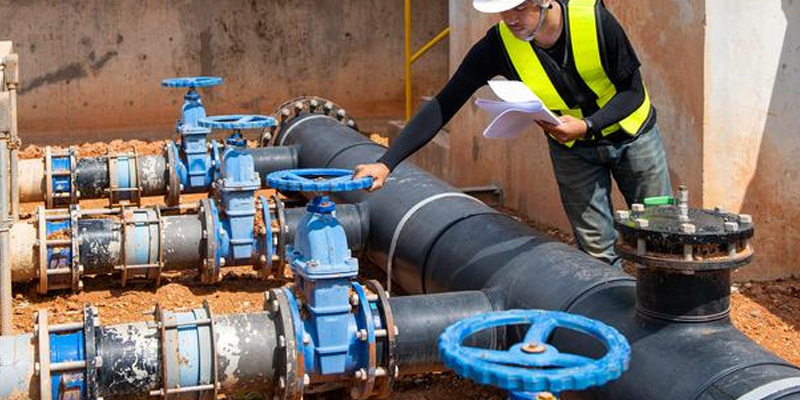
Water treatment facilities rely on regulating valves to manage the flow of water through various treatment stages. By optimizing flow rates, these valves help reduce energy consumption associated with pumping and filtering processes.
HVAC Systems
In HVAC systems, regulating valves control the flow of air and water, maintaining comfortable indoor environments while minimizing energy usage. By adjusting flow rates based on occupancy and temperature, these systems can significantly reduce energy costs.
Challenges and Considerations in Regulating Valve Implementation
While the benefits of regulating valves are clear, implementing them can present challenges.
Installation Costs
The initial investment in regulating valves and associated control systems can be significant. However, the long-term savings achieved through energy conservation often outweigh these costs.
Complexity of Integration
Integrating regulating valves into existing systems can be complex, particularly in older facilities. Organizations may need to invest in system upgrades to ensure compatibility and maximize efficiency.
Future Trends in Regulating Valves and Energy Conservation
As industries continue to evolve, so too will the technologies and practices surrounding energy conservation and regulating valves.
Smart Regulating Valves
The emergence of smart technologies will likely lead to the development of smart regulating valves capable of real-time monitoring and adjustment. These valves will leverage data analytics to optimize performance further and enhance energy efficiency.
Sustainability Initiatives
With an increasing focus on sustainability, more industries will adopt practices that prioritize energy conservation. Regulating valves will play a critical role in these initiatives, helping businesses meet their energy efficiency targets.
Frequently Asked Questions (FAQs)
1. What is a regulating valve?
A regulating valve is a control device used to manage the flow of fluids in industrial systems, ensuring optimal performance and energy efficiency.
2. How do regulating valves contribute to energy conservation?
By providing precise flow control and minimizing energy loss, regulating valves optimize system performance, leading to reduced energy consumption.
3. What types of systems use regulating valves?
Regulating valves are common in various systems, including HVAC, water treatment, chemical processing, and more.
4. How can I ensure my regulating valves are functioning optimally?
Regular maintenance, inspections, and the use of advanced control systems can help ensure that regulating valves operate efficiently.
5. Are there any challenges in implementing regulating valves?
Yes, challenges may include installation costs and the complexity of integrating valves into existing systems. However, the long-term energy savings often outweigh these challenges.
Conclusion
Regulating valves are instrumental in enhancing energy conservation across various industrial applications. By providing precise flow control, reducing energy loss, and optimizing system performance, these valves significantly contribute to energy efficiency. As industries increasingly prioritize sustainable practices, the role of regulating valves will only grow in importance. By selecting the right valves, implementing best practices, and keeping abreast of technological advancements, organizations can achieve substantial energy savings and position themselves as leaders in energy conservation.
Key words:
More news
Essential Installation Tips for Two-Piece Flanged Ball Valves in Industrial Settings
Understanding Cast Steel Floating Ball Valves: Key Features and Applications
Floating Ball Valve vs. Traditional Valves: What You Need to Know for Optimal Performance
Maximizing Reliability: How Customized Regulating Valves Enhance System Performance
Top Features to Look for in China’s Automatic Water Control Valves
Key Features to Look for in Quality Industrial Control Valves

National sales hotline 7*24 hours
Address: 801-805 Jingshan Road, Guannan Industrial Zone, jimei district, Xiamen City


