

-
General Purpose Valve Series Butterfly valve series Ball valve series Hydraulic control valve series Corrosion-resistant valve series Bellows valve series Regulating valve seriesThree eccentric butterfly valve series Two-way double eccentric metal hard seal butterfly valve Soft seal butterfly valve series Other Butterfly Valve SeriesHydraulic control valve series Multi-function water control valve Elastic Seated Gate Valve On-off electric valve

- All
- Product Management
- News
- Introduction
- Enterprise outlets
- FAQ
- Enterprise Video
- Enterprise Atlas
Why Globe Butterfly Valves Are Essential for Chemical Processing
Release time:
Sep 10,2025
Why Globe Butterfly Valves Are Essential for Chemical Processing
Understanding Globe Butterfly Valves
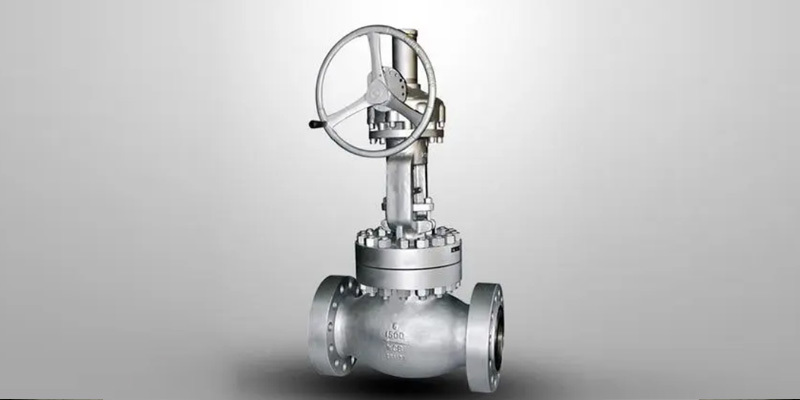
Globe butterfly valves are crucial components in the realm of industrial equipment and components, particularly within the chemical processing industry. These valves combine the functionality of globe valves and butterfly valves, offering unique advantages that cater specifically to the needs of chemical processing operations.
By enabling precise flow control, globe butterfly valves play a vital role in maintaining the integrity and efficiency of chemical processes. Their design allows for smooth flow regulation, making them indispensable for reliable system performance.
The Importance of Valve Selection in Chemical Processing
Choosing the right valve is critical in any industrial application, but it is particularly essential in chemical processing due to the stringent requirements of safety, reliability, and efficiency. Using inappropriate valves can lead to system failures, safety hazards, and increased operational costs.
In the chemical processing sector, **globe butterfly valves** are often favored for their robust construction, precise flow control capabilities, and versatility. Their performance can significantly impact the overall efficiency of chemical operations, from mixing to transportation and storage.
Key Features of Globe Butterfly Valves
When considering globe butterfly valves for chemical processing, it's essential to understand their key features:
1. Precise Flow Control
Globe butterfly valves offer excellent throttling capabilities, allowing for fine adjustments in flow rates. This precision is crucial when dealing with various chemicals, as even minor fluctuations can impact the process.
2. Versatile Design
These valves come in numerous materials and sizes, making them suitable for a wide range of applications. Whether dealing with corrosive substances or high-pressure systems, there’s a globe butterfly valve that fits the needs of any chemical processing operation.
3. Reliable Performance
Constructed to withstand harsh environments, globe butterfly valves are designed for longevity and reliability. Their ability to perform under pressure and temperature fluctuations makes them ideal for demanding chemical processing applications.
Applications of Globe Butterfly Valves in Chemical Processing
Globe butterfly valves find applications in multiple areas within the chemical processing industry. Their versatility allows for a range of uses, including:
1. Flow Regulation
In chemical processing, regulating the flow of materials is vital. Globe butterfly valves facilitate smooth adjustments, ensuring that processes remain efficient and safe.
2. Mixing Operations
During mixing operations, precise flow control is paramount. Globe butterfly valves allow operators to manage the ratios of different chemicals accurately, ensuring consistent product quality.
3. Pressure Control
Maintaining proper pressure levels in chemical processes is crucial for safety and efficiency. Globe butterfly valves help regulate pressure, preventing potential hazards associated with over-pressurization.
4. Isolation and Shutoff
In situations where equipment needs to be serviced or shut down, globe butterfly valves provide reliable isolation, ensuring that the surrounding systems remain safe and operational.
Advantages of Using Globe Butterfly Valves
Implementing globe butterfly valves in chemical processing offers several notable advantages:
1. Enhanced Safety
The reliable performance of globe butterfly valves enhances safety in chemical processing environments. Their ability to maintain pressure and flow control reduces the risk of leaks or failures, protecting both personnel and equipment.
2. Cost-Effectiveness
Although the initial investment might appear significant, the long-term benefits of globe butterfly valves, including reduced maintenance costs and enhanced system efficiency, make them a cost-effective choice for many operations.
3. Easy Maintenance
These valves are designed for ease of maintenance, often requiring fewer service interventions than other valve types. Their straightforward design simplifies repairs, reducing downtime and associated costs.
Considerations When Choosing Globe Butterfly Valves
While globe butterfly valves present numerous advantages, certain factors should be considered when selecting the appropriate valve for your chemical processing application:
1. Chemical Compatibility
It's essential to assess the chemical compatibility of the valve materials with the substances being processed. Using materials that resist corrosion and degradation will extend the valve's lifespan and maintain system integrity.
2. Temperature and Pressure Ratings
Ensure that the selected globe butterfly valve can handle the temperature and pressure conditions of the specific application. Selecting a valve with appropriate ratings is crucial for reliable performance.
3. Size and Flow Requirements
The size of the valve should correspond to the flow rates and specific system requirements. An adequately sized valve will ensure efficient operation and prevent unnecessary strain on the system.
Installation Best Practices for Globe Butterfly Valves
To maximize the performance of globe butterfly valves in chemical processing, proper installation is critical. Here are some best practices to follow:
1. Proper Alignment
Ensure that the valve is correctly aligned with the piping system to prevent leakage and facilitate smooth operation. Misalignment can lead to wear and tear and compromise the valve's functionality.
2. Use of Gaskets and Seals
Utilizing appropriate gaskets and seals during installation is vital to prevent leaks. Choose materials that match the chemical being processed to ensure compatibility and longevity.
3. Follow Manufacturer Guidelines
Always adhere to the manufacturer's installation guidelines and specifications. This adherence ensures that the valve performs optimally and complies with safety standards.
Maintenance Tips for Globe Butterfly Valves
To ensure the longevity and reliability of globe butterfly valves, regular maintenance is essential. Here are some tips:
1. Regular Inspections
Routine inspections of globe butterfly valves can help identify wear and tear early on. Look for signs of corrosion, leakage, or malfunctioning components during these inspections.
2. Cleaning
Cleaning the valves regularly helps prevent the buildup of contaminants that could interfere with their operation. Use appropriate cleaning agents compatible with the valve materials and the chemicals processed.
3. Lubrication
Proper lubrication of moving parts can enhance valve performance and extend its lifespan. Follow manufacturer recommendations for lubrication intervals and types.
Frequently Asked Questions (FAQs)
1. What is the difference between a globe valve and a butterfly valve?
Globe valves are primarily used for flow regulation, providing precise throttling capabilities. In contrast, butterfly valves are typically used for on/off control and offer a faster operation but less precise flow control. Globe butterfly valves combine features of both, making them suitable for applications requiring both functionalities.
2. Can globe butterfly valves be used in high-temperature applications?
Yes, globe butterfly valves can be designed for high-temperature applications, provided the materials used are suitable for such conditions. Always refer to the specifications to ensure compatibility.
3. How do I determine the right size of a globe butterfly valve for my application?
To determine the correct size, consider the flow rate requirements, pipe size, and system pressure. Consulting with a valve specialist can help you select the appropriate size based on these factors.
4. Are globe butterfly valves suitable for corrosive chemicals?
Yes, many globe butterfly valves can be constructed from materials resistant to corrosion, making them suitable for handling corrosive chemicals. Always check for compatibility with specific chemicals before use.
5. What maintenance is required for globe butterfly valves?
Regular inspections, cleaning, and lubrication are key maintenance practices for globe butterfly valves. Following the manufacturer's guidelines will also help ensure optimal performance.
Conclusion
Globe butterfly valves are essential for effective chemical processing due to their unique combination of features that enhance safety, reliability, and efficiency. Their ability to provide precise flow control, withstand harsh conditions, and facilitate maintenance make them an invaluable asset in any chemical processing operation.
By understanding their advantages, applications, and best practices for installation and maintenance, industries can leverage the full potential of globe butterfly valves, ultimately leading to enhanced operational efficiency and safety in chemical processing.
Key words:
More news
Essential Installation Tips for Two-Piece Flanged Ball Valves in Industrial Settings
Understanding Cast Steel Floating Ball Valves: Key Features and Applications
Floating Ball Valve vs. Traditional Valves: What You Need to Know for Optimal Performance
Maximizing Reliability: How Customized Regulating Valves Enhance System Performance
Top Features to Look for in China’s Automatic Water Control Valves
Key Features to Look for in Quality Industrial Control Valves

National sales hotline 7*24 hours
Address: 801-805 Jingshan Road, Guannan Industrial Zone, jimei district, Xiamen City


