

-
General Purpose Valve Series Butterfly valve series Ball valve series Hydraulic control valve series Corrosion-resistant valve series Bellows valve series Regulating valve seriesThree eccentric butterfly valve series Two-way double eccentric metal hard seal butterfly valve Soft seal butterfly valve series Other Butterfly Valve SeriesHydraulic control valve series Multi-function water control valve Elastic Seated Gate Valve On-off electric valve

- All
- Product Management
- News
- Introduction
- Enterprise outlets
- FAQ
- Enterprise Video
- Enterprise Atlas
How Industrial Control Valves Drive Energy Savings and Efficiency
Release time:
Sep 12,2025
How Industrial Control Valves Drive Energy Savings and Efficiency
Table of Contents
1. Introduction to Industrial Control Valves and Energy Savings
2. Understanding the Mechanisms of Control Valves
a. What Are Industrial Control Valves?
b. Types of Industrial Control Valves
3. The Importance of Energy Efficiency in Industrial Settings
4. How Control Valves Affect Energy Consumption
a. Flow Regulation and Control
b. Pressure Control and Energy Use
5. The Role of Control Valves in Process Optimization
a. Enhancing System Performance
b. Reducing Waste and Losses
6. Case Studies: Energy Savings Achieved Through Control Valves
7. Best Practices for Selecting and Maintaining Control Valves
8. Conclusion: The Future of Energy Savings with Control Valves
9. FAQs
1. Introduction to Industrial Control Valves and Energy Savings
In today's industrial landscape, efficiency and sustainability are paramount. One of the most effective ways to achieve these goals is by utilizing **industrial control valves**. These devices are not just components of a system; they play a crucial role in energy management. By controlling the flow and pressure of fluids within pipelines, control valves significantly contribute to **energy savings** while ensuring optimal operation of industrial processes.
2. Understanding the Mechanisms of Control Valves
a. What Are Industrial Control Valves?
Industrial control valves are mechanical devices that modulate the flow of fluids—liquid or gas—within a system. They respond to signals from control systems to adjust their position, thereby regulating flow rates and pressure levels. This dynamic adjustment is essential for maintaining efficient operations in various industries, from manufacturing to chemical processing.
b. Types of Industrial Control Valves
There are several types of industrial control valves, each designed for specific applications:
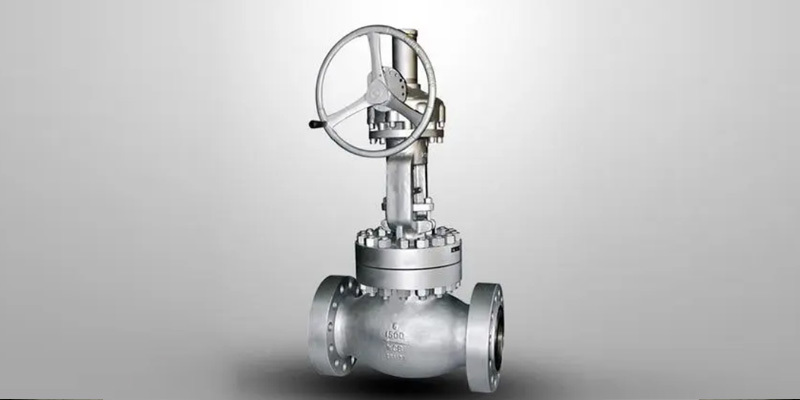
- **Globe Valves**: Used for throttling flow control.
- **Ball Valves**: Known for their quick shut-off capabilities.
- **Butterfly Valves**: Ideal for large flow applications due to their lightweight design.
- **Gate Valves**: Generally used for on/off control in large pipelines.
Each type has its unique advantages and applications, and selecting the right one can lead to significant **energy savings**.
3. The Importance of Energy Efficiency in Industrial Settings
Energy efficiency is critical for reducing operational costs and minimizing environmental impact. In industrial settings, a large portion of energy consumption is associated with fluid movement and processing. Optimizing energy use not only lowers costs but also contributes to sustainability goals, making it crucial for industries to invest in technologies, such as control valves, that enhance performance while reducing energy consumption.
4. How Control Valves Affect Energy Consumption
a. Flow Regulation and Control
Control valves regulate the flow of liquids and gases, which directly impacts energy consumption. By ensuring that fluids move at optimal rates, these valves minimize energy waste. For instance, when a valve is properly adjusted, it prevents over-pressurizing a system, which can lead to excess energy use.
b. Pressure Control and Energy Use
Pressure control is another vital function of industrial control valves. By maintaining appropriate pressure levels, these valves help in avoiding energy losses associated with excessive pressure drops or spikes. This regulation ensures that pumps and compressors operate within their most efficient ranges, leading to lower energy bills.
5. The Role of Control Valves in Process Optimization
a. Enhancing System Performance
Control valves enhance the overall performance of industrial systems. By providing precise control over flow and pressure, they allow for smoother operations and faster response times. This performance improvement not only boosts productivity but also leads to energy efficiency, as less energy is wasted on overcoming system inefficiencies.
b. Reducing Waste and Losses
Efficient control of processes helps in minimizing waste. For example, by ensuring that the right amount of fluid is delivered where it’s needed, industrial control valves can reduce the likelihood of spills or leaks. This waste reduction is not only beneficial for the environment but also contributes to substantial cost savings.
6. Case Studies: Energy Savings Achieved Through Control Valves
Several industries have reported significant energy savings through the effective use of industrial control valves.
For instance, in the chemical manufacturing sector, a company implemented advanced control valves in their process systems. As a result, they observed a **20% reduction in energy costs** over a six-month period, primarily due to improved flow management and reduced pressure losses. Additionally, a power plant that upgraded its control valve systems reported a **15% increase in operational efficiency**, leading to lower fuel consumption and greenhouse gas emissions.
These case studies exemplify how investing in the right control valves can lead to substantial energy savings and operational improvements.
7. Best Practices for Selecting and Maintaining Control Valves
To maximize energy savings, industries should adhere to several best practices when selecting and maintaining control valves:
- **Select Appropriate Valve Types**: Choose valves that match the specific requirements of your application.
- **Regular Maintenance**: Implement a routine maintenance schedule to ensure that valves are functioning correctly and efficiently.
- **Monitor Performance**: Use sensors and monitoring systems to track valve performance and identify areas for improvement.
- **Invest in Automation**: Automated control systems can optimize valve positions and enhance energy efficiency.
By following these practices, industries can ensure that their control valves contribute to energy savings and improved performance.
8. Conclusion: The Future of Energy Savings with Control Valves
As industries continue to prioritize efficiency and sustainability, the role of **industrial control valves** in energy savings becomes increasingly significant. By understanding how these valves operate and implementing best practices for their use, organizations can drive down energy costs and enhance operational efficiency. The future of industrial processes will undoubtedly involve more sophisticated control valve technologies, paving the way for even greater energy savings and environmental stewardship.
9. FAQs
1. What are industrial control valves used for?
Industrial control valves regulate the flow and pressure of liquids and gases in various processes, ensuring optimal performance and energy efficiency.
2. How do control valves contribute to energy savings?
Control valves optimize flow rates and maintain pressure levels, preventing energy waste and enhancing system performance.
3. What types of control valves are most efficient?
The efficiency of a control valve depends on the application; globe, ball, and butterfly valves are commonly recognized for their specific benefits in various scenarios.
4. How can I maintain my control valves for optimal performance?
Regular inspections, cleaning, and recalibrating valves according to manufacturer recommendations are essential for maintaining optimal performance.
5. Are there any case studies showing energy savings from control valves?
Yes, many industries have reported significant energy savings through the implementation of control valves, with examples showing reductions in energy costs and increases in operational efficiency.
By focusing on the importance of industrial control valves for energy savings and efficiency, this article provides insights that can help industries enhance their operations while reducing costs.
Key words:
More news
Essential Installation Tips for Two-Piece Flanged Ball Valves in Industrial Settings
Understanding Cast Steel Floating Ball Valves: Key Features and Applications
Floating Ball Valve vs. Traditional Valves: What You Need to Know for Optimal Performance
Maximizing Reliability: How Customized Regulating Valves Enhance System Performance
Top Features to Look for in China’s Automatic Water Control Valves
Key Features to Look for in Quality Industrial Control Valves

National sales hotline 7*24 hours
Address: 801-805 Jingshan Road, Guannan Industrial Zone, jimei district, Xiamen City


