

-
General Purpose Valve Series Butterfly valve series Ball valve series Hydraulic control valve series Corrosion-resistant valve series Bellows valve series Regulating valve seriesThree eccentric butterfly valve series Two-way double eccentric metal hard seal butterfly valve Soft seal butterfly valve series Other Butterfly Valve SeriesHydraulic control valve series Multi-function water control valve Elastic Seated Gate Valve On-off electric valve

- All
- Product Management
- News
- Introduction
- Enterprise outlets
- FAQ
- Enterprise Video
- Enterprise Atlas
Case Studies: Successful Implementations of Regulating Valves in Industrial Applications
Release time:
Sep 14,2025
Case Studies: Successful Implementations of Regulating Valves in Industrial Applications
Introduction to Regulating Valves and Their Importance
In the realm of industrial equipment and components, **regulating valves** play a critical role in managing fluid flow and pressure within various systems. These valves not only ensure operational efficiency but also contribute to safety and longevity in various applications. In this article, we will explore several case studies that highlight successful implementations of regulating valves, providing insights into their benefits and effectiveness.
Understanding Regulating Valves: Types and Applications
What Are Regulating Valves?
Regulating valves are designed to control the flow and pressure of fluids in a pipeline. By adjusting the valve position, operators can maintain desired flow rates or pressure levels, making these components essential in many industrial processes.
Types of Regulating Valves
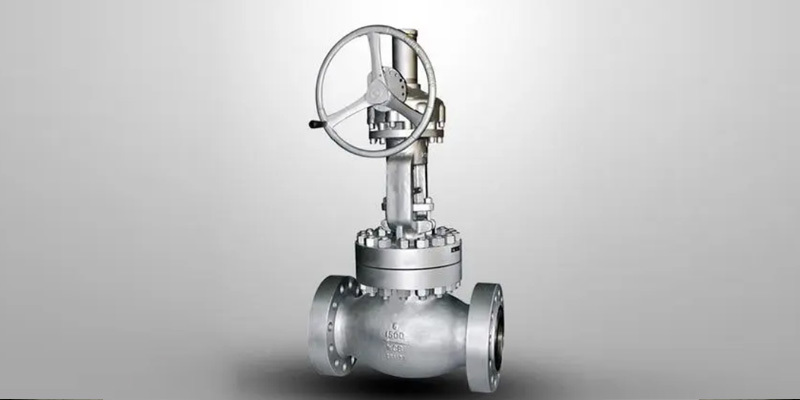
1. **Globe Valves**: Ideal for throttling and flow regulation, globe valves can handle high pressure and are commonly used in steam and water applications.
2. **Ball Valves**: Known for their durability and reliability, ball valves provide quick shut-off capabilities and are used in various applications requiring tight sealing.
3. **Butterfly Valves**: These valves are lightweight and require less space, making them suitable for large volume applications in water and wastewater treatment.
4. **Control Valves**: Typically used in automated systems, control valves adjust their position based on feedback from sensors to regulate flow or pressure.
Case Study 1: Enhancing Efficiency in a Chemical Processing Plant
Background
A leading chemical processing plant faced challenges related to inconsistent flow rates and pressure fluctuations, which affected production efficiency and product quality. The management decided to implement advanced regulating valves to address these issues.
Implementation
The plant installed a series of **control valves** that adjusted based on real-time flow data. This technology allowed for precise control over the chemical reactions occurring in the process.
Results
Post-implementation, the plant reported a **25% increase in overall efficiency** and a **15% reduction in material waste**. The regulating valves provided the necessary control, leading to consistent product quality and decreased downtime.
Case Study 2: Improving Water Management in Municipal Systems
Background
A municipal water management authority was struggling with water pressure issues that led to leaks, wastage, and customer complaints. They sought a solution to enhance their distribution network.
Implementation
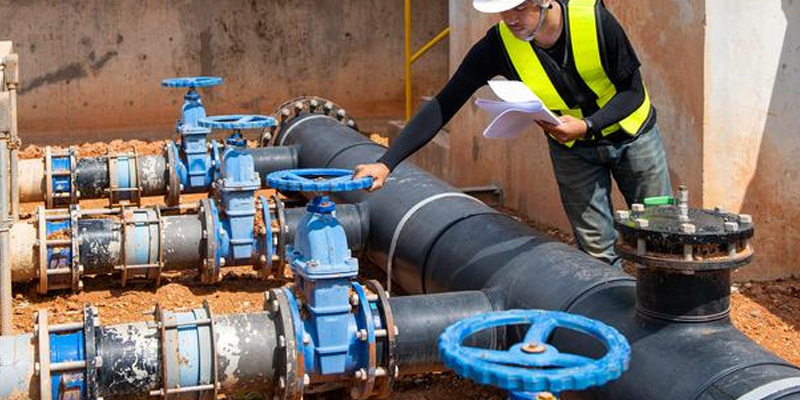
The authority integrated **butterfly valves** with advanced monitoring systems across the pipeline network. These valves were strategically placed to adjust pressure levels based on demand fluctuations.
Results
The implementation led to a **30% reduction in water loss** due to leaks and a significant improvement in customer satisfaction. Additionally, the system became more resilient to peak demand periods, showcasing the effectiveness of regulating valves in municipal applications.
Case Study 3: Optimizing Energy Use in HVAC Systems
Background
An industrial facility with complex HVAC systems was incurring high energy costs, largely due to inefficient temperature regulation and airflow control. The management aimed to optimize their systems for better energy efficiency.
Implementation
By installing **globe valves** and integrating them with smart control systems, the facility achieved better temperature control. These valves adjusted airflow based on real-time data, ensuring that energy was not wasted in heating or cooling.
Results
The facility achieved a remarkable **40% reduction in energy costs** over six months. The strategic use of regulating valves not only improved comfort levels but also significantly decreased operational expenses.
Case Study 4: Streamlining Oil and Gas Operations
Background
In the oil and gas sector, maintaining flow rates is crucial for safety and efficiency. A mid-sized oil company faced challenges with inconsistent flow rates leading to production delays.
Implementation
The company replaced outdated valves with **high-performance ball valves** equipped with automated control systems. This allowed for instantaneous adjustments to flow rates in response to pipeline conditions.
Results
The new system led to a **20% increase in production efficiency** and enhanced safety measures, as the flow rates could be closely monitored and managed. The investment in regulating valves proved to be a game-changer for the company.
Case Study 5: Enhancing Precision in Pharmaceutical Manufacturing
Background
A pharmaceutical manufacturer needed to ensure precise flow rates for their sensitive production processes. Any deviation could lead to costly errors and compliance issues.
Implementation
The manufacturer implemented **control valves** with feedback loops to maintain exact flow requirements. This integration allowed for constant monitoring and adjustments based on sensor data.
Results
The implementation resulted in improved product consistency and a **50% decrease in non-compliance incidents**. The precision achieved through the regulating valves reinforced the manufacturer’s commitment to quality.
Conclusion: The Future of Regulating Valve Implementations
The successful implementations of regulating valves across various industries underscore their importance in enhancing efficiency, safety, and cost-effectiveness. From chemical processing plants to municipal water systems, regulating valves have proven to be vital components in optimizing operations. As technology continues to advance, the integration of smart control systems with regulating valves will likely lead to even greater efficiencies and innovations in industrial applications.
FAQs
1. What are the benefits of using regulating valves in industrial applications?
Regulating valves help control fluid flow and pressure, enhancing operational efficiency, reducing waste, and improving safety.
2. How do control valves differ from other types of regulating valves?
Control valves are typically automated and adjust their position based on real-time feedback, whereas other regulating valves may require manual operation.
3. What industries benefit most from regulating valves?
Industries such as chemical processing, water management, HVAC, oil and gas, and pharmaceuticals benefit significantly from regulating valves.
4. Can regulating valves help in reducing energy consumption?
Yes, implementing regulating valves can optimize flow and pressure, leading to significant energy savings in various systems.
5. What factors should be considered when selecting a regulating valve?
Consider factors such as fluid type, temperature, pressure, and the specific application requirements to select the appropriate regulating valve.
By analyzing these case studies, we can see the profound impact regulating valves have on various processes, making them indispensable in modern industrial applications.
Key words:
More news
Essential Installation Tips for Two-Piece Flanged Ball Valves in Industrial Settings
Understanding Cast Steel Floating Ball Valves: Key Features and Applications
Floating Ball Valve vs. Traditional Valves: What You Need to Know for Optimal Performance
Maximizing Reliability: How Customized Regulating Valves Enhance System Performance
Top Features to Look for in China’s Automatic Water Control Valves
Key Features to Look for in Quality Industrial Control Valves

National sales hotline 7*24 hours
Address: 801-805 Jingshan Road, Guannan Industrial Zone, jimei district, Xiamen City


