

-
General Purpose Valve Series Butterfly valve series Ball valve series Hydraulic control valve series Corrosion-resistant valve series Bellows valve series Regulating valve seriesThree eccentric butterfly valve series Two-way double eccentric metal hard seal butterfly valve Soft seal butterfly valve series Other Butterfly Valve SeriesHydraulic control valve series Multi-function water control valve Elastic Seated Gate Valve On-off electric valve

- All
- Product Management
- News
- Introduction
- Enterprise outlets
- FAQ
- Enterprise Video
- Enterprise Atlas
Troubleshooting Common Issues with Globe Butterfly Valves: A Comprehensive Guide
Release time:
Sep 20,2025
Troubleshooting Common Issues with Globe Butterfly Valves
Table of Contents
- Understanding Globe Butterfly Valves
- Common Issues with Globe Butterfly Valves
- Identifying Issues in Globe Butterfly Valves
- Troubleshooting Steps for Globe Butterfly Valves
- Preventive Maintenance Tips for Globe Butterfly Valves
- When to Seek Professional Help
- Conclusion
- FAQs
Understanding Globe Butterfly Valves
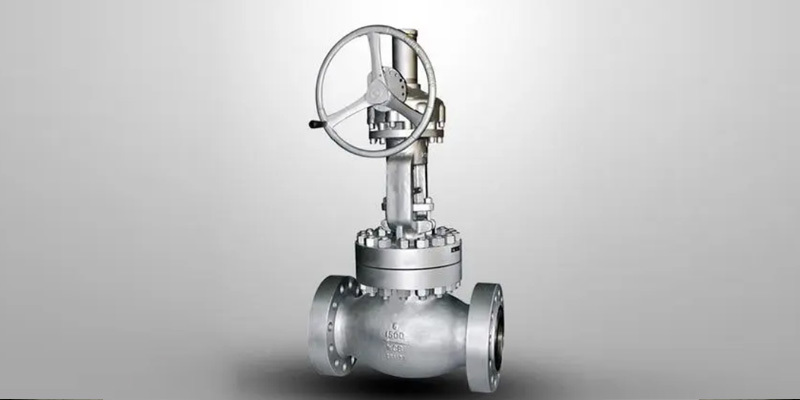
Globe butterfly valves, known for their versatility and efficiency in regulating flow, are widely used in various industrial applications. They function by utilizing a circular disc or vane that rotates around its axis to control the flow of fluids. The design allows for precise flow control, making them a preferred choice in systems where regulation is crucial.
One of the essential aspects of understanding globe butterfly valves is recognizing their components. These valves typically consist of a body, disc, stem, seat, and actuator. Depending on the specific application, materials can vary to enhance durability and resistance to erosion, corrosion, and temperature fluctuations.
Common Issues with Globe Butterfly Valves
Despite their robust design and functionality, globe butterfly valves can encounter several common issues that may affect their performance. Understanding these issues is crucial for effective troubleshooting.
1. Leakage
Leakage is one of the most prevalent concerns with globe butterfly valves. It can occur from the stem seal or the seating surfaces. Fluid escaping from the valve not only reduces efficiency but can also lead to significant safety hazards.
2. Poor Sealing
A valve that does not seal correctly can cause flow irregularities. This issue may stem from wear and tear on the sealing surfaces, improper installation, or defective components.
3. Difficulty in Operation
Challenges in operating the valve, such as stiffness or resistance when opening and closing, can be attributed to various factors, including misalignment, corrosion, or mechanical failure within the actuator.
4. Noise and Vibration
Excessive noise and vibration during operation can indicate underlying issues such as cavitation or turbulent flow, which may further exacerbate wear on the valve components.
5. Corrosion
Corrosion can significantly impact the lifespan of globe butterfly valves, especially in aggressive environments. Identifying corrosion early can prevent system failures.
Identifying Issues in Globe Butterfly Valves
To effectively troubleshoot globe butterfly valves, we must first identify the underlying issues. Here are some methods for diagnosing common problems:
1. Visual Inspection
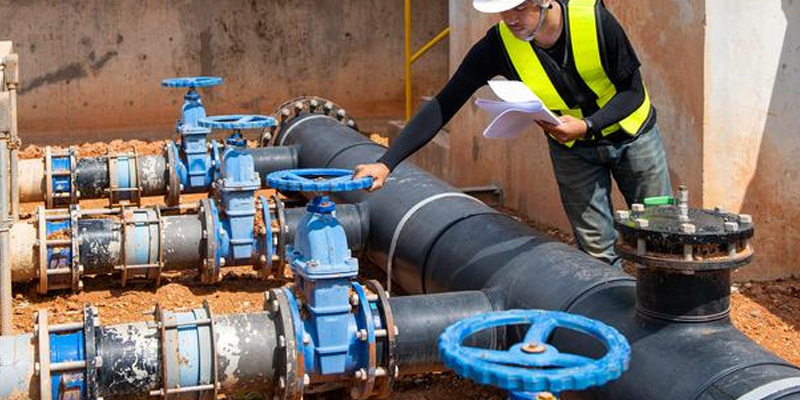
Regular visual inspections are paramount. Check for signs of corrosion, damage, or leaks around the valve body and connections.
2. Operational Testing
Conduct operational tests to gauge the valve's responsiveness. Note any irregularities in operation, such as difficulty in opening or closing the valve.
3. Pressure Testing
Utilize pressure testing to detect leaks. This method involves pressurizing the system and observing for drops in pressure, indicating a potential leak.
4. Noise Measurements
Using sound level meters to measure noise during operation can help identify abnormal vibrations and cavitation issues that may require attention.
Troubleshooting Steps for Globe Butterfly Valves
Once the issues have been identified, the following troubleshooting steps can help address the problems effectively.
1. Addressing Leakage
For leakage issues, the first step is to tighten all connections. If leakage persists, inspect and replace worn seals or gaskets. Ensure that the valve is correctly aligned to prevent gaps.
2. Improving Sealing
To enhance sealing, inspect the seating surfaces for wear. In cases where the disc or seat is damaged, replacement may be necessary. Ensure proper installation to maintain integrity.
3. Resolving Operational Difficulties
If the valve is difficult to operate, check for alignment issues and ensure that the actuator is functioning correctly. Lubrication of moving parts may also alleviate stiffness.
4. Reducing Noise and Vibration
To minimize noise and vibration, assess the flow rates and ensure they do not exceed the valve's specifications. Consider installing dampeners if necessary.
5. Combatting Corrosion
To prevent and address corrosion, implement protective coatings and select materials that are resilient to the specific environment. Regular maintenance can help identify early signs of corrosion.
Preventive Maintenance Tips for Globe Butterfly Valves
Implementing preventive maintenance strategies can significantly reduce the occurrence of issues with globe butterfly valves. Here are some recommended practices:
1. Regular Inspections
Schedule regular inspections to identify potential issues early. Keeping a maintenance log can help track the condition and performance of each valve.
2. Proper Installation
Ensure that globe butterfly valves are installed according to manufacturer specifications. Proper alignment and support will minimize operational difficulties.
3. Lubrication
Regularly lubricate moving parts to prevent wear and reduce friction. Use lubricants recommended by the manufacturer to ensure compatibility.
4. Environmental Considerations
Select the appropriate materials based on environmental conditions. For aggressive environments, consider using stainless steel or other corrosion-resistant materials.
5. Staff Training
Invest in training for staff members involved in valve operation and maintenance. Well-informed personnel will be better equipped to identify and address issues promptly.
When to Seek Professional Help
While many issues can be managed in-house, there are times when seeking professional assistance is advisable. If troubleshooting steps do not resolve the issue, or if the situation involves complex repairs, consulting a qualified technician can prevent further damage and ensure the longevity of the valve.
Conclusion
Troubleshooting common issues with globe butterfly valves is essential for maintaining efficient operations in industrial settings. By understanding the potential problems, identifying them accurately, and applying effective troubleshooting steps, we can ensure the longevity and performance of these critical components. Preventive maintenance plays a crucial role in avoiding future complications, and knowing when to seek professional assistance can save time and resources. Emphasizing regular checks and informed operational practices will lead to smoother system performance and increased safety.
FAQs
1. What is the primary function of a globe butterfly valve?
The primary function of a globe butterfly valve is to regulate the flow of fluids within a system. Its design allows for precise flow control, making it suitable for various applications.
2. How can I tell if my valve is leaking?
Signs of leakage include visible fluid escaping from the valve body, drops in system pressure during testing, or damp areas around the valve connections.
3. What materials are commonly used for globe butterfly valves?
Common materials include stainless steel, cast iron, and PVC, depending on the application and environmental conditions.
4. How often should I perform maintenance on my globe butterfly valves?
Regular inspections should be conducted at least once a year, while more frequent checks may be necessary in high-demand environments.
5. Can I replace parts of the globe butterfly valve myself?
While some basic repairs can be performed by trained staff, complex repairs or replacements of critical components should be handled by professionals to ensure safety and proper operation.
Key words:
More news
Essential Installation Tips for Two-Piece Flanged Ball Valves in Industrial Settings
Understanding Cast Steel Floating Ball Valves: Key Features and Applications
Floating Ball Valve vs. Traditional Valves: What You Need to Know for Optimal Performance
Maximizing Reliability: How Customized Regulating Valves Enhance System Performance
Top Features to Look for in China’s Automatic Water Control Valves
Key Features to Look for in Quality Industrial Control Valves

National sales hotline 7*24 hours
Address: 801-805 Jingshan Road, Guannan Industrial Zone, jimei district, Xiamen City


