

-
General Purpose Valve Series Butterfly valve series Ball valve series Hydraulic control valve series Corrosion-resistant valve series Bellows valve series Regulating valve seriesThree eccentric butterfly valve series Two-way double eccentric metal hard seal butterfly valve Soft seal butterfly valve series Other Butterfly Valve SeriesHydraulic control valve series Multi-function water control valve Elastic Seated Gate Valve On-off electric valve
- All
- Product Management
- News
- Introduction
- Enterprise outlets
- FAQ
- Enterprise Video
- Enterprise Atlas
Understanding the Essential Components of Industrial Control Valves: A Comprehensive Guide
Release time:
Sep 22,2025
Understanding the Essential Components of Industrial Control Valves
Table of Contents
- Introduction to Industrial Control Valves
- What Are Control Valves?
- Key Components of Control Valves
- How Control Valves Work
- Types of Control Valves
- Applications of Control Valves in Industry
- Choosing the Right Control Valve for Your Needs
- Common FAQs About Industrial Control Valves
- Conclusion
Introduction to Industrial Control Valves
In industrial processes, the regulation of fluid flow is crucial for maintaining efficiency, safety, and overall system integrity. **Industrial control valves** serve as pivotal components in this regulation, enabling precise control over the flow of liquids, gases, and steam within various systems. Understanding the various elements that comprise these valves is essential for anyone involved in the design, operation, or maintenance of industrial systems.
This article explores the core components of industrial control valves, their functionalities, and how they contribute to effective fluid management in diverse applications. We aim to provide a comprehensive overview that serves as a valuable resource for professionals and enthusiasts alike.
What Are Control Valves?
Control valves are mechanical devices that modulate fluid flow in response to signals from a control system. Typically, these valves are designed to adjust the flow rate, pressure, or temperature of the fluid, ensuring optimal performance within a system. They operate based on various input signals, allowing for automation and enhanced control in processes such as chemical manufacturing, HVAC systems, and water treatment.
These valves come in various types, each suited to specific applications, and feature distinctive designs to facilitate control capabilities. Understanding their components is vital for selecting the right valve for a given application and ensuring efficient system operation.
Key Components of Control Valves
The functionality of industrial control valves relies on several critical components. Each part plays a unique role, contributing to the valve's overall operation and effectiveness. Let's explore these components in detail.
Valve Body
The **valve body** is the primary structure of the control valve, housing the other components. It is responsible for containing the fluid and directing its flow. The design of the valve body can vary considerably based on the type of valve (e.g., globe, ball, butterfly), and it must withstand the pressure and temperature conditions of the specific application. The material used for the valve body—often metals like stainless steel, cast iron, or plastic—also plays a critical role in durability and performance.
Actuator
An **actuator** is a vital component that converts control signals into mechanical action to move the valve's internal parts. There are different types of actuators, including:
- **Pneumatic actuators**: Utilize compressed air to open or close the valve.
- **Electric actuators**: Use electric power to drive the movement of the valve.
- **Hydraulic actuators**: Operate through pressurized fluid.
The choice of actuator depends on factors like response speed, power availability, and the required control precision.
Positioner
A **positioner** enhances the precision of control valves by adjusting the actuator's movement based on the desired flow rate or position. It receives feedback from the process variable and ensures that the valve opens or closes to the correct degree. This component is particularly important in applications where precise flow control is essential, such as in chemical processing.
Trim Components
The **trim** refers to the internal parts of the valve that directly control the flow of fluid. This includes the valve plug, seat, and stem. The design and materials of these components significantly affect the valve's performance, including its flow characteristics, pressure drop, and leakage rates. Proper selection of trim components is crucial for achieving the desired flow control and efficiency.
Bonnet
The **bonnet** is the part of the valve that covers the top and houses the actuator and stem. It provides a seal to prevent leakage and allows for maintenance access to the internal components when necessary. The design of the bonnet can influence the valve's overall height and the ease of maintenance.
Seal and Packing
The **seal** and packing elements are essential for preventing leakage around the stem and through the valve body. Seals can be made from various materials, including rubber, Teflon, or metal, depending on the application requirements. Proper sealing is crucial for maintaining system integrity and preventing environmental contamination.
How Control Valves Work
The operation of a control valve begins with signals sent from a control system, such as a PLC (Programmable Logic Controller) or DCS (Distributed Control System). These signals dictate how much the valve should open or close to achieve the desired flow rate or pressure.
The actuator receives the signal and moves the valve's internal components, such as the plug or disc, against the flow of fluid. As the valve adjusts, the positioner continuously monitors the flow parameters and provides feedback to ensure the valve is accurately positioned for optimal performance.
The entire process is dynamic and can occur rapidly, enabling real-time adjustments to maintain optimal conditions within the system.
Types of Control Valves
A variety of control valves exist, each tailored to specific applications. Some of the most common types include:
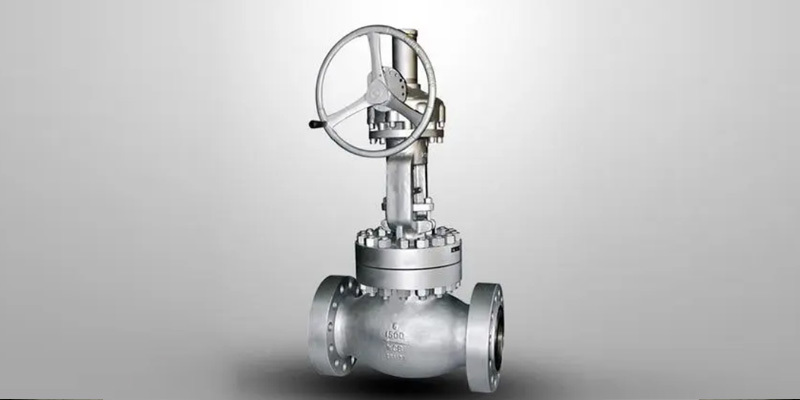
- **Globe Valves**: Known for their excellent flow regulation capabilities, globe valves are commonly used in throttling applications. They feature a spherical body shape and are ideal for high-pressure drops.
- **Ball Valves**: These valves use a spherical disc to control flow. They provide quick on/off control and are suitable for applications requiring tight sealing.
- **Butterfly Valves**: Featuring a rotating disc that regulates flow, butterfly valves are lightweight and suitable for large-volume applications. They are often used in water supply and treatment systems.
- **Check Valves**: Designed to prevent backflow, check valves allow flow in one direction while automatically closing to prevent reverse flow. They are critical for maintaining system integrity.
- **Control Globe Valves**: These specialized globe valves are designed for precise flow control and are often used in process industries.
The selection of the right valve type depends on the specific requirements of the application, including flow characteristics, pressure ratings, and operating conditions.
Applications of Control Valves in Industry
Control valves play a vital role in numerous industrial applications, including:
- **Chemical Processing**: Maintaining precise control over chemical reactions and mixing processes is essential for safety and efficiency.
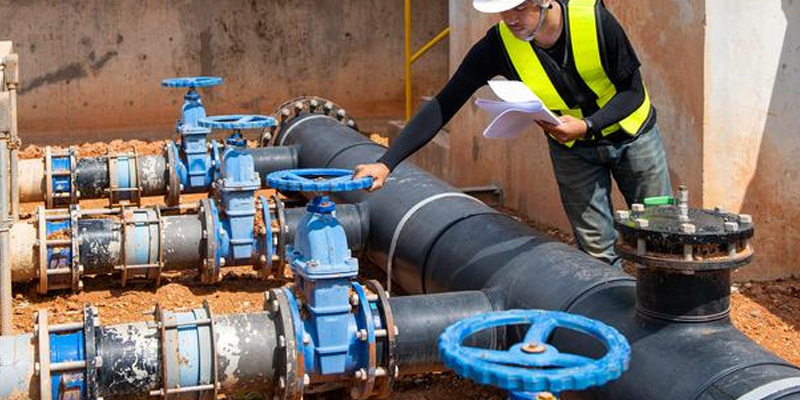
- **Water Treatment**: Control valves regulate the flow of water in treatment facilities, ensuring proper chemical dosing and optimal filtration.
- **Oil and Gas**: In the extraction and refining of oil and gas, control valves manage flow rates and maintain pressure stability.
- **HVAC Systems**: Control valves help regulate heating and cooling systems, ensuring comfortable indoor environments.
- **Power Generation**: In power plants, control valves manage steam and water flow, impacting overall efficiency and safety.
Understanding the specific requirements for each application is crucial for selecting the appropriate control valve.
Choosing the Right Control Valve for Your Needs
Selecting the appropriate control valve involves evaluating several key factors:
1. **Process Requirements**: Assess the specifics of your application, including flow rate, pressure, temperature, and fluid type.
2. **Valve Characteristics**: Consider the valve type, size, and materials to ensure compatibility with the process conditions.
3. **Control Precision**: Determine the level of control needed, which will influence the choice of actuator and positioner.
4. **Maintenance Needs**: Factor in the ease of maintenance and potential downtime when selecting a valve.
5. **Budget Constraints**: Establish a budget that allows for the purchase of high-quality components while meeting operational needs.
Consulting with industry experts can further aid in making informed decisions that enhance operational efficiency.
Common FAQs About Industrial Control Valves
1. What is the primary function of a control valve?
The primary function of a control valve is to regulate fluid flow, pressure, or temperature in industrial processes, ensuring optimal performance and safety.
2. How do I know which type of control valve to choose?
Choosing the right type of control valve requires evaluating process requirements, such as flow rate and pressure, as well as considering the specific application and control needs.
3. What materials are commonly used for control valves?
Common materials for control valves include stainless steel, cast iron, carbon steel, and various plastics. The choice of material depends on the application and fluid characteristics.
4. How do I maintain control valves?
Regular maintenance of control valves involves inspecting seals and packing, checking for leaks, and ensuring the actuator and positioner are functioning correctly. Following manufacturer guidelines is crucial.
5. Can control valves be automated?
Yes, control valves are often automated using actuators and positioners, allowing for real-time adjustments based on control system signals.
Conclusion
Understanding the components of industrial control valves and their functions is crucial for anyone involved in industrial processes. These valves play a significant role in regulating fluid flow, ensuring safety, efficiency, and optimal performance across various applications. By grasping the intricacies of each component and how they work together, professionals can make informed decisions that enhance their operations. Whether selecting a valve for a new project or maintaining existing systems, comprehensive knowledge of control valves is key to achieving success in the industrial landscape.
Key words:
More news
Essential Installation Tips for Two-Piece Flanged Ball Valves in Industrial Settings
Understanding Cast Steel Floating Ball Valves: Key Features and Applications
Floating Ball Valve vs. Traditional Valves: What You Need to Know for Optimal Performance
Maximizing Reliability: How Customized Regulating Valves Enhance System Performance
Top Features to Look for in China’s Automatic Water Control Valves
Key Features to Look for in Quality Industrial Control Valves

National sales hotline 7*24 hours
Address: 801-805 Jingshan Road, Guannan Industrial Zone, jimei district, Xiamen City


