

-
General Purpose Valve Series Butterfly valve series Ball valve series Hydraulic control valve series Corrosion-resistant valve series Bellows valve series Regulating valve seriesThree eccentric butterfly valve series Two-way double eccentric metal hard seal butterfly valve Soft seal butterfly valve series Other Butterfly Valve SeriesHydraulic control valve series Multi-function water control valve Elastic Seated Gate Valve On-off electric valve

- All
- Product Management
- News
- Introduction
- Enterprise outlets
- FAQ
- Enterprise Video
- Enterprise Atlas
Comprehensive Guide to Regulating Valve Design Considerations for Industrial Applications
Release time:
Sep 24,2025
Understanding Regulating Valves in Industrial Applications
Regulating valves play a critical role in various industrial processes. They control fluid flow rates, pressure, and temperature within systems, ensuring optimal performance and safety. **In this article, we will explore the vital design considerations for regulating valves in industrial applications**, providing insights into the essential factors that influence their effectiveness and reliability.
Table of Contents
1. What are Regulating Valves?
2. The Importance of Regulating Valves in Industrial Applications
3. Key Design Considerations for Regulating Valves
- 3.1 Material Selection
- 3.2 Valve Type Selection
- 3.3 Actuation Methods
- 3.4 Size and Dimensioning
4. Performance Evaluation Criteria
5. Installation and Maintenance Best Practices
6. Regulatory Compliance and Testing Standards
7. Future Trends in Regulating Valve Design
8. Conclusion
9. FAQs
What are Regulating Valves?
Regulating valves are designed to control the flow of fluids within a system. **These valves maintain desired flow rates and pressures, ensuring that processes run smoothly**. Used across various industries, including oil and gas, chemical manufacturing, and water treatment, regulating valves can be manual or automated, depending on the application.
The Importance of Regulating Valves in Industrial Applications
The importance of regulating valves cannot be overstated. They are essential for:
- **Safety**: Properly functioning regulating valves prevent dangerous over-pressurization or flow conditions, safeguarding both personnel and equipment.
- **Efficiency**: Optimizing flow rates contributes to overall system efficiency, reducing operational costs and energy consumption.
- **Process Control**: Regulating valves ensure that industrial processes maintain the necessary conditions for optimal performance, affecting product quality and consistency.
Key Design Considerations for Regulating Valves
When designing regulating valves for industrial applications, several critical factors must be considered to achieve optimal performance.
Material Selection
**Choosing the right materials for regulating valves is crucial.** The materials must withstand the specific environmental conditions and application requirements, including:
- **Corrosion Resistance**: Selecting materials that resist corrosion is vital, especially in chemical processing and wastewater applications.
- **Temperature Tolerance**: The materials must endure the operating temperatures of the process without compromising integrity.
- **Pressure Rating**: Ensure that the materials can handle the maximum pressure expected during operation.
Valve Type Selection
Regulating valves come in various types, each suited for specific applications. The most common valve types include:
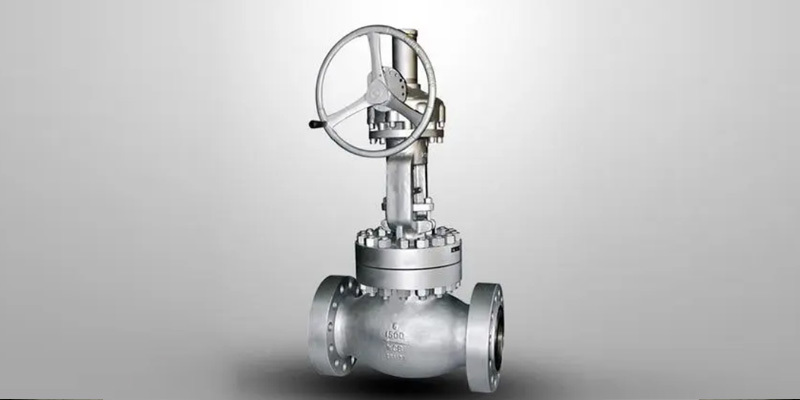
- **Globe Valves**: Excellent for throttling flow, making them ideal for regulating applications.
- **Ball Valves**: Best for on/off control but can also be used for regulation when properly sized.
- **Butterfly Valves**: Suitable for large flow applications, they provide a lightweight and compact solution for regulating flow.
**Selecting the appropriate valve type is essential for achieving the desired control characteristics.**
Actuation Methods
The actuation mechanism of a regulating valve significantly impacts its performance. Common actuation types include:
- **Electric Actuators**: Offer precision control with the ability to integrate into automated systems.
- **Pneumatic Actuators**: Utilized in environments where rapid response times are necessary.
- **Hydraulic Actuators**: Provide high force output, suitable for large valves or high-pressure applications.
**Choosing the right actuation method depends on the application’s specific needs and constraints.**
Size and Dimensioning
**Proper sizing of regulating valves is critical for system performance.** Oversized or undersized valves can lead to inefficiencies, such as:
- **Flow Restriction**: An oversized valve may not provide adequate flow control, while an undersized valve may lead to excessive pressure drops.
- **Cavitation**: Incorrect sizing can result in cavitation, causing damage to the valve and system components.
Utilizing flow calculations and system requirements can help ensure precise valve dimensioning.
Performance Evaluation Criteria
To assess the effectiveness of regulating valves, several performance criteria should be evaluated:
- **Flow Coefficient (Cv)**: Determines the flow capacity of the valve and helps in comparing valve performance.
- **Flow Characteristics**: Understand the valve's flow characteristics (linear, equal percentage, or quick opening) to ensure it aligns with process requirements.
- **Response Time**: Evaluate the time it takes for the valve to react to control signals, especially in dynamic applications.
**Continuous performance monitoring ensures that regulating valves operate within specified parameters.**
Installation and Maintenance Best Practices
**Achieving optimal performance from regulating valves requires proper installation and maintenance.** Follow these best practices:
- **Follow Manufacturer Guidelines**: Always adhere to installation guidelines provided by the valve manufacturer to avoid premature failure.
- **Regular Inspections**: Schedule routine inspections to identify wear and tear, ensuring timely repairs or replacements.
- **Calibration**: Regularly calibrate the valve actuators to maintain accurate flow control.
**Implementing a proactive maintenance schedule minimizes downtime and maximizes system efficiency.**
Regulatory Compliance and Testing Standards
**Compliance with industry standards is essential for the safety and reliability of regulating valves.** Various organizations, including the American National Standards Institute (ANSI) and the International Organization for Standardization (ISO), establish guidelines that must be followed.
- **Testing Protocols**: Ensure that all valves undergo rigorous testing, including pressure tests, leakage tests, and performance assessments.
- **Documentation**: Maintain detailed records of all tests and certifications to demonstrate compliance during audits.
**Adhering to regulatory standards not only enhances safety but also builds trust with stakeholders.**
Future Trends in Regulating Valve Design
As technology evolves, so do the design and functionality of regulating valves. **Key trends to watch include**:
- **Smart Valves**: Integration of IoT technology allows for real-time monitoring and control, leading to enhanced operational efficiency.
- **Sustainable Materials**: Increased focus on sustainability drives the use of eco-friendly materials in valve manufacturing.
- **Advanced Simulation Techniques**: Improved computational methods facilitate better valve design, enabling more accurate predictions of performance under varying conditions.
**Keeping abreast of these trends can help organizations stay competitive and innovative in the field.**
Conclusion
In conclusion, designing regulating valves for industrial applications demands a thorough understanding of various factors that influence their performance and reliability. **From material selection and valve type to actuation methods and adherence to regulatory standards, each element plays a vital role in the overall effectiveness of these components.** As industries continue to evolve, staying informed about emerging trends and best practices will ensure that regulating valves meet the ever-increasing demands of modern applications.
FAQs
1. What is a regulating valve?
A regulating valve is a device that controls the flow, pressure, or temperature of fluids in a system, ensuring optimal process performance.
2. How do I choose the right regulating valve for my application?
Consider factors such as material compatibility, valve type, actuation method, and sizing to select the most suitable regulating valve for your specific needs.
3. What are the common types of regulating valves?
Common types include globe valves, ball valves, and butterfly valves, each offering unique advantages depending on the application.
4. How can I maintain my regulating valves effectively?
Implement regular inspection and maintenance schedules, follow manufacturer guidelines, and calibrate actuators to ensure optimal performance.
5. What regulations apply to regulating valve design and installation?
Regulations vary by industry, but organizations such as ANSI and ISO establish standards that govern valve design, testing, and installation practices.
By exploring these various aspects, professionals can ensure that their regulating valves perform efficiently and reliably, contributing to the success of their industrial processes.
Key words:
More news
Essential Installation Tips for Two-Piece Flanged Ball Valves in Industrial Settings
Understanding Cast Steel Floating Ball Valves: Key Features and Applications
Floating Ball Valve vs. Traditional Valves: What You Need to Know for Optimal Performance
Maximizing Reliability: How Customized Regulating Valves Enhance System Performance
Top Features to Look for in China’s Automatic Water Control Valves
Key Features to Look for in Quality Industrial Control Valves

National sales hotline 7*24 hours
Address: 801-805 Jingshan Road, Guannan Industrial Zone, jimei district, Xiamen City


