

-
General Purpose Valve Series Butterfly valve series Ball valve series Hydraulic control valve series Corrosion-resistant valve series Bellows valve series Regulating valve seriesThree eccentric butterfly valve series Two-way double eccentric metal hard seal butterfly valve Soft seal butterfly valve series Other Butterfly Valve SeriesHydraulic control valve series Multi-function water control valve Elastic Seated Gate Valve On-off electric valve
- All
- Product Management
- News
- Introduction
- Enterprise outlets
- FAQ
- Enterprise Video
- Enterprise Atlas
Top Industries Benefiting from Flange Ball Valves: A Comprehensive Overview
Release time:
Oct 08,2025
Top Industries Benefiting from Flange Ball Valves
Flange ball valves play a pivotal role in fluid control systems across various sectors. Known for their reliability, durability, and efficiency, these valves are essential components in many industrial applications. In this article, we will explore the top industries that greatly benefit from flange ball valves, highlighting their applications, advantages, and future trends.
Understanding Flange Ball Valves
Flange ball valves are mechanical devices used to regulate the flow of liquids and gases. They consist of a spherical disc, known as the ball, with a hole through its center. When the valve is open, the hole aligns with the flow direction, allowing fluid to pass. When closed, the ball rotates to a position that blocks the flow. The flanged ends facilitate easy connection to pipelines, enabling secure and leak-proof installations.
Why Flange Ball Valves Are Essential
Flange ball valves are favored for several reasons, including:
1. **High Durability**: Made from robust materials, flange ball valves can withstand high pressures and temperatures, making them suitable for harsh environments.
2. **Efficient Flow Control**: They provide a tight seal, minimizing leaks and ensuring efficient fluid control.
3. **Ease of Maintenance**: The simple design allows for easy maintenance and replacement, reducing downtime in industrial processes.
Industries That Benefit Most from Flange Ball Valves
Flange ball valves are indispensable in numerous industries. Here, we delve into the top sectors that utilize these valves effectively.
1. Oil and Gas Industry
The oil and gas sector is one of the largest consumers of flange ball valves. These valves are crucial for:
- **Pipeline Management**: Flange ball valves are used in pipelines to control the flow of crude oil, natural gas, and refined products, ensuring safe and efficient transportation.
- **Refining Processes**: In refineries, they manage the flow of various chemicals and hydrocarbons, facilitating efficient operations.
Benefits in Oil and Gas
- **Safety**: The ability to maintain a secure seal reduces the risk of leaks, which is critical in preventing environmental hazards.
- **High Pressure Handling**: Flange ball valves are designed to handle high-pressure applications, making them suitable for deepwater drilling and other demanding tasks.
2. Chemical Manufacturing
In the chemical industry, flange ball valves are vital for:
- **Fluid Control**: They control the flow of corrosive and hazardous chemicals, ensuring safety and efficiency in production processes.
- **Batch Processing**: The precise flow control offered by flange ball valves is essential for batch processing, where exact measurements are crucial.
Advantages in Chemical Manufacturing
- **Material Compatibility**: These valves can be made from various materials to resist corrosion and withstand harsh chemicals.
- **Reduced Downtime**: Their ease of maintenance minimizes production interruptions caused by valve failures.
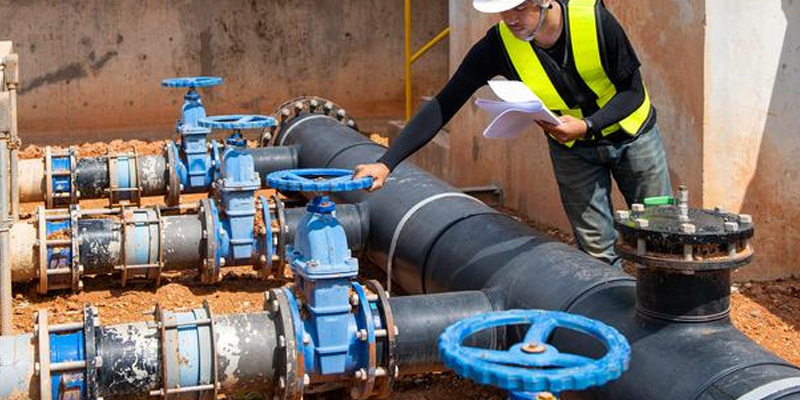
3. Water Treatment Facilities
Flange ball valves are essential in water treatment facilities for:
- **Flow Regulation**: They help manage the flow of water and wastewater through treatment processes.
- **Chemical Injection**: Flange ball valves are used to control the injection of chemicals for water purification and disinfection.
Benefits in Water Treatment
- **Durability**: These valves can withstand the corrosive nature of water treatment chemicals.
- **Efficiency**: They provide a reliable seal, minimizing the risk of leaks and ensuring optimal flow rates.
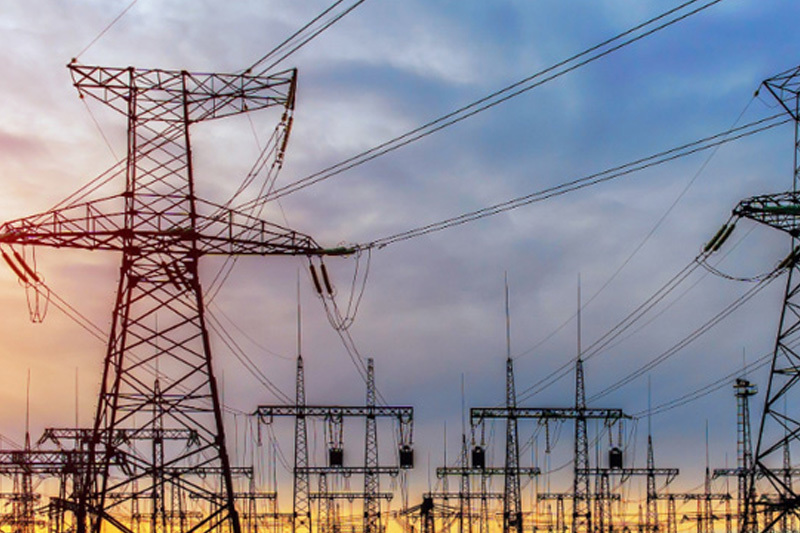
4. Power Generation
In power generation, flange ball valves play a crucial role in:
- **Steam Control**: They regulate steam flow in power plants, ensuring efficient energy production.
- **Cooling Systems**: Flange ball valves are used in cooling systems to control water flow.
Advantages in Power Generation
- **High Performance**: These valves are designed to perform under extreme conditions, making them ideal for power generation facilities.
- **Energy Efficiency**: By maintaining optimal flow rates, flange ball valves contribute to energy-saving measures.
5. Food and Beverage Industry
The food and beverage sector relies on flange ball valves for:
- **Hygienic Processing**: They are used in systems that require sanitary conditions, controlling the flow of liquids and ensuring product safety.
- **Ingredient Mixing**: Flange ball valves help manage the precise flow of ingredients in manufacturing processes.
Benefits in Food and Beverage
- **Sanitary Design**: Many flange ball valves are designed with hygiene in mind, preventing contamination.
- **Versatility**: They can handle a wide range of fluids, from water to viscous sauces.
Future Trends in Flange Ball Valves
As industries evolve, the demand for advanced flange ball valves continues to grow. Here are some future trends to consider:
1. Smart Valve Technology
The integration of smart technology in flange ball valves is on the rise. Smart valves equipped with sensors can provide real-time data on flow rates, temperatures, and pressure levels, allowing for better process management and predictive maintenance.
2. Sustainable Materials
With a growing emphasis on sustainability, manufacturers are exploring eco-friendly materials for flange ball valves. These materials will not only reduce environmental impact but also enhance the durability and performance of valves in various applications.
3. Automation and Control Systems
The shift toward automation in industrial processes is set to increase the demand for flange ball valves that can seamlessly integrate with control systems. This trend will enhance operational efficiency and reduce human error in fluid management.
FAQs About Flange Ball Valves
1. What are flange ball valves used for?
Flange ball valves are primarily used to control the flow of liquids and gases in various industries, including oil and gas, chemical manufacturing, and water treatment.
2. How do flange ball valves work?
Flange ball valves operate by rotating a spherical disc with a hole through its center. When the valve is open, the hole aligns with the flow direction, allowing fluid to pass through.
3. What materials are flange ball valves made from?
Flange ball valves can be made from various materials, including stainless steel, carbon steel, and plastic, depending on the specific requirements of the application.
4. Are flange ball valves suitable for high-pressure applications?
Yes, flange ball valves are designed to withstand high-pressure environments, making them ideal for demanding applications in industries like oil and gas.
5. How do I maintain flange ball valves?
Regular inspection and maintenance of flange ball valves are essential. This includes checking for leaks, ensuring proper alignment, and replacing worn parts as needed.
Conclusion
Flange ball valves are indispensable components that enhance the efficiency, safety, and reliability of various industrial processes. Their applications span across critical sectors such as oil and gas, chemical manufacturing, water treatment, power generation, and the food and beverage industry. As technology advances, the future of flange ball valves looks promising with trends toward smart technology, sustainable materials, and automation. Understanding these benefits and applications will not only help industries choose the right components but also foster safer and more efficient operations. Embracing flange ball valves is, without a doubt, a step toward achieving excellence in fluid control systems.
Key words:
More news
Essential Installation Tips for Two-Piece Flanged Ball Valves in Industrial Settings
Understanding Cast Steel Floating Ball Valves: Key Features and Applications
Floating Ball Valve vs. Traditional Valves: What You Need to Know for Optimal Performance
Maximizing Reliability: How Customized Regulating Valves Enhance System Performance
Top Features to Look for in China’s Automatic Water Control Valves
Key Features to Look for in Quality Industrial Control Valves

National sales hotline 7*24 hours
Address: 801-805 Jingshan Road, Guannan Industrial Zone, jimei district, Xiamen City


