

-
General Purpose Valve Series Butterfly valve series Ball valve series Hydraulic control valve series Corrosion-resistant valve series Bellows valve series Regulating valve seriesThree eccentric butterfly valve series Two-way double eccentric metal hard seal butterfly valve Soft seal butterfly valve series Other Butterfly Valve SeriesHydraulic control valve series Multi-function water control valve Elastic Seated Gate Valve On-off electric valve

- All
- Product Management
- News
- Introduction
- Enterprise outlets
- FAQ
- Enterprise Video
- Enterprise Atlas
Comparative Analysis: Globe Butterfly Valves vs. Ball Valves - Unveiling the Best Choice for Your Industrial Needs
Release time:
Oct 10,2025
Comparative Analysis: Globe Butterfly Valves vs. Ball Valves
Table of Contents
- 1. Introduction to Valves in Industrial Applications
- 2. Overview of Globe Butterfly Valves and Ball Valves
- 3. Performance Comparison
- 4. Design and Structure: Globe Butterfly Valves vs. Ball Valves
- 5. Application Suitability: Where Each Valve Excels
- 6. Cost Analysis and Economic Considerations
- 7. Maintenance Requirements and Longevity
- 8. Conclusion: Making the Right Choice for Your Needs
- 9. FAQs
1. Introduction to Valves in Industrial Applications
In the intricate world of industrial applications, valves play a critical role in regulating fluid flow, ensuring safety, and enhancing system efficiency. Among the myriad of valve types, **globe butterfly valves** and **ball valves** stand out for their distinctive functionalities and advantages. This article presents a thorough comparative analysis between these two essential valve types, guiding you in selecting the most suitable option for your specific industrial needs.
2. Overview of Globe Butterfly Valves and Ball Valves
2.1 What are Globe Butterfly Valves?
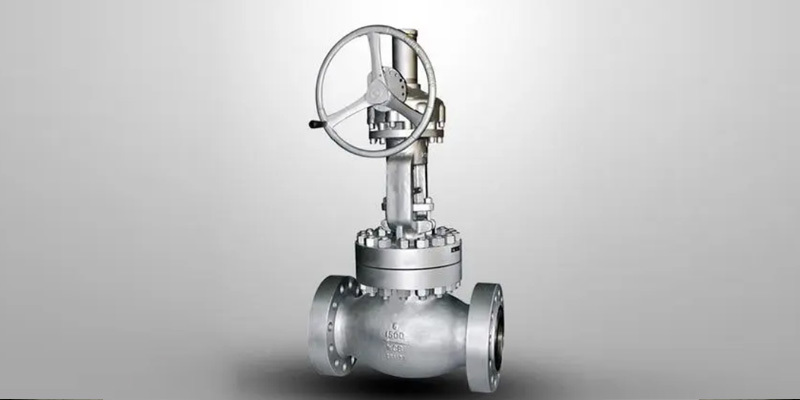
Globe butterfly valves are designed with a spherical body and a disk that can be raised or lowered to control flow. They are known for their excellent throttling capabilities, making them ideal for applications that require precise flow control. The design features a robust construction, often used in high-pressure systems.
2.2 What are Ball Valves?
Ball valves consist of a hollow, perforated, and pivoting ball that controls flow through it. This type of valve is renowned for its durability, quick operation, and minimal flow resistance, making it suitable for applications where rapid on/off functionality is essential. Ball valves are popular in various industries, including oil and gas, water treatment, and chemical processing.
3. Performance Comparison
Performance is a crucial aspect when comparing globe butterfly valves and ball valves. Each valve type offers unique advantages that cater to specific operational requirements.
3.1 Flow Control and Regulation
Globe butterfly valves excel in flow regulation due to their design, allowing for precise throttling. This characteristic makes them ideal for applications requiring fine control over fluid dynamics. Ball valves, while effective, are typically not designed for throttling and are better suited for on/off applications.
3.2 Pressure and Temperature Ratings
Both valve types are engineered to withstand varying pressure and temperature conditions. However, globe butterfly valves often perform better in high-pressure applications, while ball valves are versatile in handling both high and low pressures with ease.
4. Design and Structure: Globe Butterfly Valves vs. Ball Valves
4.1 Structural Differences
The design of globe butterfly valves features a more complex structure, which can lead to increased operational resistance. Conversely, the simplicity of ball valves allows them to achieve a higher flow rate with minimal pressure drop.
4.2 Material Considerations
Material selection plays a significant role in durability and performance. Globe butterfly valves are often made from cast iron or stainless steel, providing robustness. Ball valves, on the other hand, can be constructed from various materials, including brass, plastic, and stainless steel, allowing for a wider range of applications.
5. Application Suitability: Where Each Valve Excels
The choice between globe butterfly valves and ball valves can greatly depend on the specific application requirements.
5.1 Ideal Applications for Globe Butterfly Valves
- **Chemical processing**: Their precise control capabilities make them suitable for handling corrosive substances.
- **Water treatment**: Effective in regulating flow in water filtration systems.
- **Steam applications**: Their ability to handle high pressures is beneficial in steam systems.
5.2 Ideal Applications for Ball Valves
- **Oil and gas**: Quick shut-off capabilities are crucial in this industry for safety and efficiency.
- **Agricultural irrigation**: Their reliability in handling varying flow rates is advantageous.
- **HVAC systems**: Used for controlling fluid flow with minimal resistance.
6. Cost Analysis and Economic Considerations
When evaluating the economic aspects of valve selection, cost is a pivotal factor.
6.1 Initial Investment
Globe butterfly valves generally have a higher initial purchase price due to their intricate design. In contrast, ball valves are often more cost-effective, making them a popular choice for budget-conscious projects.
6.2 Long-term Efficiency and Maintenance Costs
While the upfront cost of ball valves may be lower, it is essential to consider maintenance and longevity. Globe butterfly valves, while more expensive initially, may offer superior performance over time, potentially resulting in lower maintenance costs.
7. Maintenance Requirements and Longevity
Understanding the maintenance needs and lifespan of each valve type can influence your decision.
7.1 Maintenance for Globe Butterfly Valves
Globe butterfly valves may require more frequent maintenance due to their complex internal mechanisms. Regular inspections and adjustments are essential to ensure optimal performance.
7.2 Maintenance for Ball Valves
Ball valves are generally low-maintenance, requiring minimal attention. However, it is crucial to monitor seals and ensure that the valve operates smoothly to prevent any issues.
8. Conclusion: Making the Right Choice for Your Needs
In the comparative analysis of globe butterfly valves and ball valves, it is evident that both types possess unique advantages and characteristics. The choice between them should be based on application requirements, desired performance, and budgetary constraints. For applications requiring precise flow control and high-pressure handling, globe butterfly valves are the preferred option. On the other hand, for situations demanding a quick shut-off and low maintenance, ball valves stand out as the more suitable choice. Ultimately, a comprehensive understanding of both valve types will empower you to make an informed decision that meets your industrial needs.
9. FAQs
9.1 What is the main difference between globe butterfly valves and ball valves?
The primary difference lies in their functionality: globe butterfly valves are designed for precise flow regulation, while ball valves are best for on/off applications.
9.2 Which valve type is more cost-effective?
Ball valves tend to have a lower initial cost, but globe butterfly valves may offer better long-term efficiency, potentially offsetting their higher upfront price.
9.3 Can I use globe butterfly valves for high-pressure applications?
Yes, globe butterfly valves are suitable for high-pressure applications, thanks to their robust design.
9.4 Are ball valves suitable for throttling applications?
While ball valves can be used for throttling, they are not designed for precise flow control like globe butterfly valves.
9.5 What factors should I consider when choosing between these valve types?
Consider factors such as application requirements, desired flow control, pressure conditions, budget, and maintenance needs when making your decision.
This analysis aims to provide you with valuable insights into the characteristics, advantages, and applications of globe butterfly valves and ball valves, enabling you to make the best choice for your industrial needs.
Key words:
More news
Essential Installation Tips for Two-Piece Flanged Ball Valves in Industrial Settings
Understanding Cast Steel Floating Ball Valves: Key Features and Applications
Floating Ball Valve vs. Traditional Valves: What You Need to Know for Optimal Performance
Maximizing Reliability: How Customized Regulating Valves Enhance System Performance
Top Features to Look for in China’s Automatic Water Control Valves
Key Features to Look for in Quality Industrial Control Valves

National sales hotline 7*24 hours
Address: 801-805 Jingshan Road, Guannan Industrial Zone, jimei district, Xiamen City


