

-
General Purpose Valve Series Butterfly valve series Ball valve series Hydraulic control valve series Corrosion-resistant valve series Bellows valve series Regulating valve seriesThree eccentric butterfly valve series Two-way double eccentric metal hard seal butterfly valve Soft seal butterfly valve series Other Butterfly Valve SeriesHydraulic control valve series Multi-function water control valve Elastic Seated Gate Valve On-off electric valve

- All
- Product Management
- News
- Introduction
- Enterprise outlets
- FAQ
- Enterprise Video
- Enterprise Atlas
Unlocking Efficiency: The Benefits of Customized Regulating Valves in Industrial Applications
Release time:
Nov 23,2025
Unlocking Efficiency: The Benefits of Customized Regulating Valves in Industrial Applications
Table of Contents
- 1. Introduction to Customized Regulating Valves
- 2. Understanding Regulating Valves: A Brief Overview
- 3. The Importance of Customization in Regulating Valves
- 4. Benefits of Customized Regulating Valves in Industrial Applications
- 4.1 Enhanced Efficiency and Performance
- 4.2 Increased Reliability and Longevity
- 4.3 Cost-Effectiveness Over Time
- 4.4 Tailored Solutions for Various Industries
- 5. Design Considerations for Custom Regulating Valves
- 6. Installation and Maintenance of Customized Regulating Valves
- 7. Real-World Applications of Customized Regulating Valves
- 8. Conclusion
- 9. FAQs
1. Introduction to Customized Regulating Valves
In the ever-evolving landscape of industrial processes, optimizing operations is paramount. One critical component that plays a significant role in achieving this optimization is the **regulating valve**. These valves ensure that fluid flow is maintained at desired levels, directly impacting efficiency, safety, and productivity. While standard valves serve their purpose, **customized regulating valves** offer unparalleled advantages that can transform industrial applications. In this article, we will explore the myriad benefits of utilizing customized regulating valves, particularly focusing on their role in enhancing efficiency within various industrial settings.
2. Understanding Regulating Valves: A Brief Overview
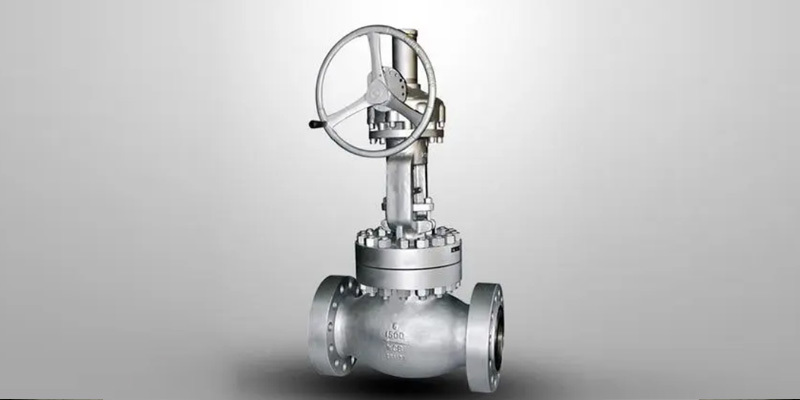
Regulating valves are essential components in fluid control systems, responsible for managing the flow and pressure of liquids and gases. They can adjust the flow rates based on the system's requirements, ensuring optimal performance. Typically, these valves can be operated manually or automatically and come in various types, including globe, gate, and ball valves.
The primary function of a regulating valve is to **maintain desired conditions** within a process. For instance, in a chemical manufacturing facility, maintaining precise pressure and flow can mean the difference between a successful batch and a costly failure.
3. The Importance of Customization in Regulating Valves
While standard regulating valves can adequately serve numerous applications, the need for customized solutions becomes apparent in complex systems where unique challenges arise. Customization allows for the design and manufacture of valves tailored to specific operational requirements, which can lead to significant improvements in performance and reliability.
Customization can address factors such as:
- **Fluid type**: Different fluids (e.g., corrosive, viscous) require specific materials and designs.
- **Pressure and temperature**: Valves must withstand varying pressures and temperatures based on the application.
- **Flow characteristics**: Tailoring the valve design to optimize flow characteristics can enhance overall system performance.
By understanding the unique requirements of an application, manufacturers can create customized regulating valves that deliver optimal results.
4. Benefits of Customized Regulating Valves in Industrial Applications
The advantages of utilizing customized regulating valves extend far beyond mere performance improvements. Below, we delve into the key benefits that these tailored solutions can bring to industrial applications.
4.1 Enhanced Efficiency and Performance
Customized regulating valves are specifically designed to meet the unique needs of a system, leading to improved fluid flow and pressure management. This enhancement translates to greater overall efficiency in industrial processes. For example, a valve designed to minimize turbulence and optimize flow characteristics can significantly reduce energy consumption and enhance productivity.
Moreover, the precision offered by customized valves ensures that processes run smoothly, leading to fewer interruptions and lower downtime.
4.2 Increased Reliability and Longevity
One of the most compelling reasons for investing in customized regulating valves is their reliability. Tailored solutions are built to withstand the specific conditions of an application, thereby reducing the likelihood of failures. High-quality materials can be selected based on fluid type, pressure, and temperature requirements, ensuring that the valve can operate effectively over time.
Furthermore, customized valves can feature advanced designs that enhance their durability, thus extending their lifespan and reducing the need for frequent replacements.
4.3 Cost-Effectiveness Over Time
Although the initial cost of customized regulating valves may be higher than standard options, the long-term savings are substantial. By improving efficiency and reducing the likelihood of failures, organizations can save on operational costs in the long run. Lower energy consumption and reduced maintenance needs contribute to an improved bottom line.
Additionally, the ability to tailor solutions means that companies can avoid the costs associated with retrofitting or modifying standard valves to meet specific requirements.
4.4 Tailored Solutions for Various Industries
Customized regulating valves are not limited to a specific industry; they offer benefits across various sectors, including:
- **Oil and Gas**: Precision in flow control is vital in extraction and refining processes.
- **Pharmaceuticals**: Ensuring contamination-free operations requires customized solutions.
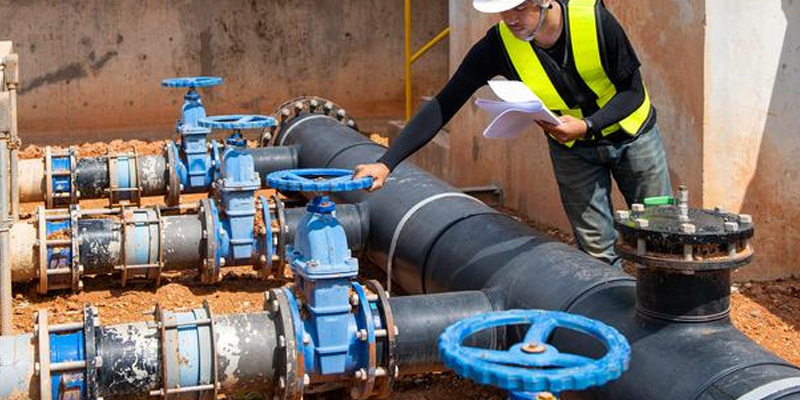
- **Water Treatment**: Tailored valves can optimize flow and pressure in complex water systems.
- **Food and Beverage**: Maintaining hygiene standards while managing flow is crucial.
Each industry has unique requirements, and customized regulating valves provide the flexibility needed to address these challenges effectively.
5. Design Considerations for Custom Regulating Valves
Designing customized regulating valves involves several critical considerations that can significantly impact their performance. Manufacturers must take into account various factors, including:
- **Material Selection**: Choosing the right materials is essential for compatibility with the fluid being controlled, as well as for durability under pressure and temperature variations.
- **Valve Type**: Different valve types (e.g., globe, ball, butterfly) offer varying advantages, and the choice depends on the specific application.
- **Size and Scale**: Proper sizing ensures that the valve can handle the required flow rates without causing excessive pressure drops or turbulence.
- **Control Mechanism**: Depending on the application, automated or manual control systems may be more suitable, influencing the design and functionality of the valve.
By addressing these design considerations, manufacturers can create customized regulating valves that meet operational needs effectively.
6. Installation and Maintenance of Customized Regulating Valves
Once customized regulating valves are designed and manufactured, proper installation and maintenance are crucial for optimal performance. Here are key points to consider:
- **Installation**: Following manufacturer guidelines during installation is vital. Ensuring that the valve is correctly aligned and secured can prevent leaks and malfunctions.
- **Regular Maintenance**: Implementing a regular maintenance schedule can enhance the longevity of the valves. This includes inspecting for wear and tear, ensuring seals are intact, and cleaning the valve to prevent buildup.
- **Monitoring Performance**: Utilizing performance monitoring systems can provide real-time data on valve operation and alert operators to potential issues before they escalate.
Proper installation and maintenance practices can ensure that customized regulating valves operate efficiently throughout their lifespan.
7. Real-World Applications of Customized Regulating Valves
Customized regulating valves have been successfully implemented in various real-world scenarios, demonstrating their effectiveness across different applications:
- **Chemical Manufacturing**: In a plant producing chemicals, customized valves were designed to manage corrosive materials effectively, resulting in improved safety and reduced downtime.
- **Water Treatment Facilities**: Tailored solutions allowed for precise flow control, optimizing the treatment process and ensuring regulatory compliance.
- **Food Processing Plants**: Customized valves enabled better hygiene management and improved flow rates, contributing to enhanced production efficiency.
These examples underscore the versatility and effectiveness of customized regulating valves in addressing unique industrial challenges.
8. Conclusion
Customized regulating valves play a pivotal role in enhancing efficiency across various industrial applications. By addressing unique operational needs through tailored solutions, organizations can achieve significant improvements in performance, reliability, and cost-effectiveness. Investing in these specialized valves not only optimizes fluid control but also paves the way for long-term success in an increasingly competitive landscape. As industries continue to evolve, the demand for customized regulating valves will only grow, highlighting their importance in driving innovation and operational excellence.
9. FAQs
1. What are customized regulating valves?
Customized regulating valves are specifically designed and manufactured to meet the unique requirements of industrial applications, ensuring optimal performance in fluid control systems.
2. How do customized valves improve efficiency?
By tailoring the design and materials of valves to suit specific application needs, customized valves can enhance flow control, reduce energy consumption, and minimize downtime.
3. Are customized regulating valves more expensive than standard ones?
While they may have a higher initial cost, the long-term savings from increased efficiency and reduced maintenance often outweigh the upfront investment.
4. In which industries are customized regulating valves used?
Customized regulating valves are utilized across various sectors, including oil and gas, pharmaceuticals, water treatment, and food and beverage processing.
5. What factors should be considered when designing customized regulating valves?
Key factors include material selection, valve type, size and scale, and control mechanisms, all tailored to meet the specific needs of the application.
Key words:
More news
Essential Installation Tips for Two-Piece Flanged Ball Valves in Industrial Settings
Understanding Cast Steel Floating Ball Valves: Key Features and Applications
Floating Ball Valve vs. Traditional Valves: What You Need to Know for Optimal Performance
Maximizing Reliability: How Customized Regulating Valves Enhance System Performance
Top Features to Look for in China’s Automatic Water Control Valves
Key Features to Look for in Quality Industrial Control Valves

National sales hotline 7*24 hours
Address: 801-805 Jingshan Road, Guannan Industrial Zone, jimei district, Xiamen City


