

-
General Purpose Valve Series Butterfly valve series Ball valve series Hydraulic control valve series Corrosion-resistant valve series Bellows valve series Regulating valve seriesThree eccentric butterfly valve series Two-way double eccentric metal hard seal butterfly valve Soft seal butterfly valve series Other Butterfly Valve SeriesHydraulic control valve series Multi-function water control valve Elastic Seated Gate Valve On-off electric valve

- All
- Product Management
- News
- Introduction
- Enterprise outlets
- FAQ
- Enterprise Video
- Enterprise Atlas
Quality Industrial Control Valves: A Comprehensive Guide for Industrial Facilities
Release time:
Jul 13,2026
Quality Industrial Control Valves: A Comprehensive Guide for Industrial Facilities
Table of Contents
- 1. Introduction to Industrial Control Valves
- 2. Importance of Quality Control Valves in Industrial Settings
- 3. Types of Industrial Control Valves
- 4. Applications of Industrial Control Valves
- 5. Key Criteria for Selecting Quality Control Valves
- 6. Best Practices for Maintenance and Inspection
- 7. Common Challenges in Control Valve Operations
- 8. The Future of Industrial Control Valves
- 9. Frequently Asked Questions
- 10. Conclusion
1. Introduction to Industrial Control Valves
Industrial control valves are integral components in a wide range of industrial processes. These mechanisms regulate fluid flow and pressure, ensuring that systems operate efficiently and safely. In industrial facilities, where precise control is crucial, the quality of control valves can significantly influence overall performance. Understanding the role of these devices is fundamental for engineers, operators, and maintenance personnel.
2. Importance of Quality Control Valves in Industrial Settings
The importance of quality control valves in industrial settings cannot be overstated. They contribute to operational efficiency, prevent leaks, and enhance safety. High-quality control valves minimize the risk of failure, thereby reducing downtime and maintenance costs. Additionally, they help maintain product quality by guaranteeing that processes run smoothly and consistently.
3. Types of Industrial Control Valves
There are several types of industrial control valves, each designed for specific applications and requirements. Understanding these types is essential for selecting the right valve for a given task.
3.1 Globe Valves
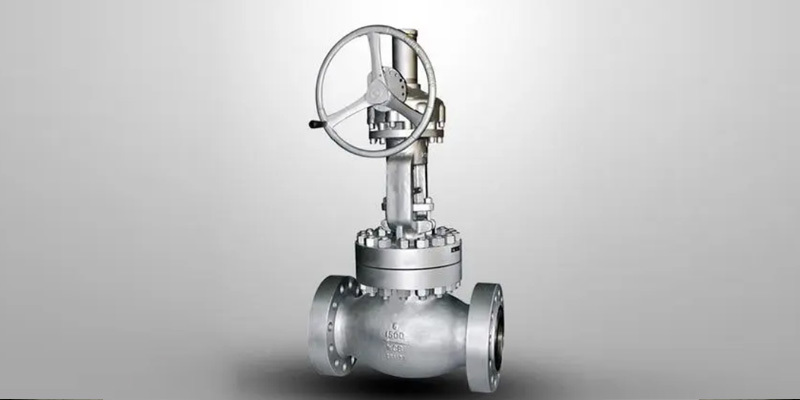
Globe valves are known for their excellent throttling capabilities. They are typically used in applications where flow regulation is necessary. The design of a globe valve consists of a movable disk and a stationary ring seat, which together create a flow control mechanism. These valves are ideal for high-pressure environments and can handle various fluid types, making them versatile in industrial applications.
3.2 Ball Valves
Ball valves are characterized by their spherical disc, which provides a tight seal when closed. They offer low pressure drop and are excellent for on/off control. Ball valves are increasingly popular due to their durability and reliability, making them suitable for gas and liquid applications. Their simple design allows for quick opening and closing, making them an efficient choice for various industrial processes.
3.3 Butterfly Valves
Butterfly valves consist of a rotating disc that regulates flow. They are lightweight and compact, making them suitable for large-scale applications where space is a constraint. Their design allows for quick operation, and they can handle a variety of fluids, including slurries and gases. Butterfly valves are often used in HVAC systems, water treatment plants, and chemical processing facilities.
3.4 Check Valves
Check valves prevent backflow in piping systems, ensuring that fluids flow in one direction only. They are essential for protecting pumps and other equipment from damage caused by reverse flow. Various designs exist, including swing and lift check valves, each suited for different applications depending on the pressure and flow requirements.
4. Applications of Industrial Control Valves
Industrial control valves are utilized across multiple sectors, including oil and gas, chemical manufacturing, water treatment, and food processing. Their applications range from regulating flow rates in pipelines to managing pressure in reactors. Each industry has unique requirements that dictate the type and quality of control valve necessary for efficient operation.
5. Key Criteria for Selecting Quality Control Valves
When selecting control valves, several criteria must be considered to ensure optimal performance:
5.1 Material Compatibility
The valve material should be compatible with the fluid it will handle. Corrosive substances require valves made from resistant materials like stainless steel or specialized alloys.
5.2 Temperature and Pressure Ratings
Control valves must be rated for the temperature and pressure conditions they will encounter. Overrated specifications can lead to premature failure.
5.3 Flow Characteristics
Understanding the flow characteristics of the valve is crucial for applications requiring precise control. Different valve designs offer varying flow rates and control capabilities.
5.4 Maintenance Requirements
Select valves that are easy to maintain and inspect. This consideration can significantly reduce long-term operational costs and downtime.
5.5 Manufacturer Reputation
The reputation of the manufacturer can serve as a reliable indicator of valve quality. Established manufacturers often adhere to stringent quality control standards, ensuring reliability and performance.
6. Best Practices for Maintenance and Inspection
Routine maintenance and inspection of control valves are vital for ensuring their longevity and performance. Here are some best practices:
6.1 Regular Inspections
Establish a maintenance schedule and conduct regular inspections to identify signs of wear or damage. Early detection can prevent costly repairs.
6.2 Lubrication
Keep moving parts well-lubricated to minimize friction and wear. Proper lubrication enhances the valve’s operational lifespan.
6.3 Functional Testing
Perform functional tests periodically to ensure the valve operates correctly under various conditions. Testing should include checking for leaks and verifying control responsiveness.
6.4 Documentation
Maintain detailed records of inspections, repairs, and upgrades. Documentation helps track performance and aids in making informed decisions regarding maintenance.
7. Common Challenges in Control Valve Operations
Control valves can encounter various challenges during operation. Understanding these issues can help in implementing effective solutions.
7.1 Cavitation
Cavitation occurs when vapor bubbles form in a liquid due to pressure drops, which can damage valves. To mitigate cavitation, ensure the valve is properly sized and installed according to specifications.
7.2 Leakage
Leakage can result from wear, poor installation, or inadequate valve sealing. Regular inspections and maintenance can help identify and rectify leakage issues.
7.3 Stiction
Stiction refers to the static friction that prevents a valve from moving to its desired position. This problem can affect control accuracy and responsiveness. Implementing a proper maintenance regime can help minimize stiction problems.
8. The Future of Industrial Control Valves
The future of industrial control valves is leaning towards smart technologies. The integration of IoT and AI enables real-time monitoring and predictive maintenance, enhancing efficiency and reliability. Innovations in materials and design are also expected to improve performance, reduce costs, and address environmental concerns.
9. Frequently Asked Questions
1. What is the primary function of control valves?
Control valves regulate the flow and pressure of fluids in industrial processes, ensuring optimal operational efficiency.
2. How do I choose the right control valve for my application?
Consider factors such as material compatibility, temperature and pressure ratings, flow characteristics, maintenance needs, and manufacturer reputation.
3. What are the common types of control valves used in industries?
Common types include globe valves, ball valves, butterfly valves, and check valves.
4. How can I maintain my control valves effectively?
Routine inspections, lubrication, functional testing, and proper documentation are key practices for effective maintenance.
5. What challenges are associated with control valve operations?
Challenges include cavitation, leakage, and stiction, which can impact performance and efficiency.
10. Conclusion
Quality industrial control valves are critical components in various industrial applications. Understanding their types, applications, selection criteria, and maintenance practices is essential for ensuring operational efficiency and safety. By investing in high-quality control valves and implementing best practices in maintenance and inspection, industrial facilities can enhance productivity and minimize risks associated with fluid control. As technology advances, the future of industrial control valves promises even greater efficiency and reliability, paving the way for smarter industrial operations.
Key words:
More news
Quality Industrial Control Valves: A Comprehensive Guide for Industrial Facilities
Y-Type Filter Manufacturers: A Comprehensive Guide to Industry Standards and Quality Assurance
Exploring the Advantages of Globe Butterfly Valves Over Other Valve Types: A Comprehensive Guide
The Future of Industrial Valves: Exploring Innovative Trends in Bellows Valve Technology
Installation Tips for Flange Ball Valves: A Step-by-Step Guide
Essential Installation Tips for Two-Piece Flanged Ball Valves in Industrial Settings

National sales hotline 7*24 hours
Address: 801-805 Jingshan Road, Guannan Industrial Zone, jimei district, Xiamen City


