

-
General Purpose Valve Series Butterfly valve series Ball valve series Hydraulic control valve series Corrosion-resistant valve series Bellows valve series Regulating valve seriesThree eccentric butterfly valve series Two-way double eccentric metal hard seal butterfly valve Soft seal butterfly valve series Other Butterfly Valve SeriesHydraulic control valve series Multi-function water control valve Elastic Seated Gate Valve On-off electric valve

- All
- Product Management
- News
- Introduction
- Enterprise outlets
- FAQ
- Enterprise Video
- Enterprise Atlas
The Advantages of Using Globe Butterfly Valves in Manufacturing Processes
Release time:
Mar 24,2025
The Advantages of Using Globe Butterfly Valves in Manufacturing Processes
Table of Contents
- Introduction to Globe Butterfly Valves
- Understanding Globe Butterfly Valves
- Key Benefits of Globe Butterfly Valves in Manufacturing
- Material Considerations for Globe Butterfly Valves
- Best Practices for Installing Globe Butterfly Valves
- Common Issues and Solutions
- The Future of Globe Butterfly Valves in Manufacturing
- Conclusion
Introduction to Globe Butterfly Valves
In the ever-evolving landscape of industrial manufacturing, the choice of valves plays a crucial role in ensuring operational excellence. Among various valve types, **globe butterfly valves** stand out due to their unique design and functionality. These valves are essential components that help in effectively regulating fluid flow in manufacturing processes. Understanding their advantages can significantly impact operational efficiency and performance.
Understanding Globe Butterfly Valves
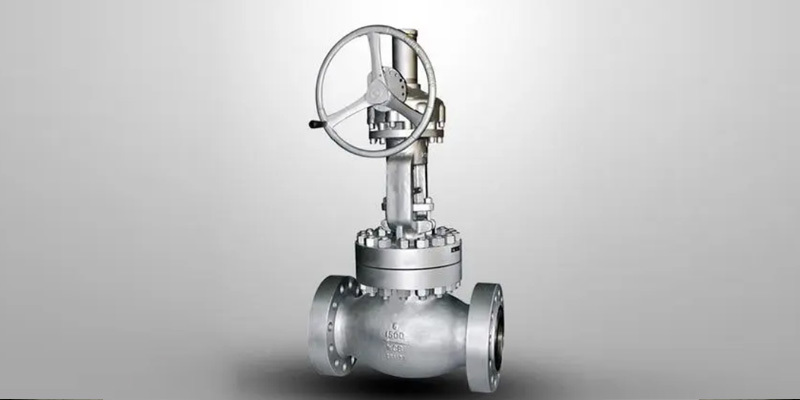
Globe butterfly valves combine the features of traditional butterfly valves and globe valves, allowing for advanced flow control. They consist of a disc that rotates within the valve body, controlling the flow of liquids or gases. The design facilitates easy operation and can be actuated manually or automatically, depending on the system requirements.
The key distinguishing feature of globe butterfly valves is their ability to provide excellent throttling capabilities, making them suitable for applications where precise flow regulation is necessary. They are widely used in various industries, including oil and gas, water treatment, chemical processing, and food manufacturing.
Key Benefits of Globe Butterfly Valves in Manufacturing
When integrating globe butterfly valves into manufacturing processes, several advantages become apparent.
1. Enhanced Efficiency in Fluid Control
One of the most significant benefits of using globe butterfly valves is their ability to provide precise control over fluid flow. This control is crucial in processes where specific flow rates are required. By ensuring optimal flow control, manufacturers can enhance overall operational efficiency, reducing waste and improving product quality.
2. Space-Saving Design
Globe butterfly valves are designed to be compact, making them ideal for facilities with limited space. Their smaller footprint compared to traditional valves allows for more flexible installations, enabling manufacturers to optimize their layouts and reduce the need for extensive piping systems.
3. Improved Reliability and Maintenance
Reliability is a critical factor in manufacturing processes. Globe butterfly valves are constructed from robust materials, ensuring longevity and resistance to wear and tear. Their simple design also means fewer moving parts, which reduces the likelihood of mechanical failure. Additionally, maintenance is straightforward, with many designs allowing for quick disassembly and cleaning.
4. Versatility in Applications
Globe butterfly valves are versatile and can be used in various applications across different industries. Whether it’s controlling hot or cold fluids, corrosive materials, or slurries, these valves can be tailored to meet specific needs. This adaptability makes them a preferred choice for many manufacturing processes, as they can function effectively in diverse environments.
Material Considerations for Globe Butterfly Valves
The materials used in the construction of globe butterfly valves are paramount to their performance and longevity. Typically, they are made from materials like stainless steel, cast iron, and PVC, each offering unique benefits. For instance, stainless steel is ideal for corrosive environments, while PVC is a cost-effective option for less demanding applications.
Choosing the right material not only influences the valve's performance but also its compatibility with the fluids being handled. Manufacturers must evaluate their specific needs and select materials that enhance the valve's effectiveness in their particular application.
Best Practices for Installing Globe Butterfly Valves
Proper installation of globe butterfly valves is essential to maximize their benefits. Here are some best practices to ensure successful installation:
1. **Evaluate system requirements:** Before installation, assess the specific flow and pressure requirements of your system to choose the appropriate valve size and type.
2. **Follow manufacturer guidelines:** Always adhere to the manufacturer's installation instructions to prevent operational issues.
3. **Ensure proper alignment:** Align the valve correctly within the piping system to avoid undue stress and potential damage.
4. **Test for leaks:** After installation, conduct thorough testing for leaks to ensure the integrity of the system.
By following these practices, manufacturers can ensure that their globe butterfly valves perform optimally and contribute positively to the manufacturing process.
Common Issues and Solutions
While globe butterfly valves are reliable, they can encounter issues like any mechanical component. Common problems include leakage, wear, and improper sealing. Addressing these issues promptly is crucial for maintaining operational efficiency.
**Leakage** can often be resolved by checking the valve seat for damage and replacing components as necessary. **Wear** can result from prolonged use or exposure to harsh conditions; regular maintenance and inspections can help identify wear early. **Improper sealing** may require re-tightening of bolts or replacement of seals to ensure a proper fit.
Implementing a routine maintenance schedule can prevent these issues from arising, ensuring that the valves remain functional and reliable.
The Future of Globe Butterfly Valves in Manufacturing
As industries continue to evolve, the demand for efficient and reliable valve solutions will grow. Globe butterfly valves are poised to play a significant role in this future due to their adaptability to new technologies and processes. Innovations such as smart automation and IoT integration are likely to enhance the functionality of these valves, allowing for real-time monitoring and adjustment of fluid flow.
Moreover, advancements in materials science may lead to even more durable and efficient valve designs, further solidifying the position of globe butterfly valves in the manufacturing sector. As manufacturers seek to optimize operations and reduce costs, the value of these valves will become increasingly apparent.
Conclusion
In summary, globe butterfly valves offer a myriad of advantages that contribute to enhanced efficiency, reliability, and versatility in manufacturing processes. Their ability to provide precise flow control, coupled with their space-saving design and low maintenance requirements, makes them an invaluable asset in various industrial applications. As manufacturers continue to seek innovative solutions to improve their operations, globe butterfly valves will undoubtedly remain at the forefront of these advancements, proving their worth in the ever-competitive landscape of industrial manufacturing.
Frequently Asked Questions (FAQs)
1. What are globe butterfly valves primarily used for?
Globe butterfly valves are primarily used for regulating fluid flow in various manufacturing processes, offering precise control and adaptability to different applications.
2. How do globe butterfly valves differ from traditional butterfly valves?
Unlike traditional butterfly valves that primarily control flow, globe butterfly valves also provide effective throttling capabilities, making them suitable for applications requiring precise flow regulation.
3. What materials are commonly used in globe butterfly valve construction?
Common materials include stainless steel, cast iron, and PVC, each chosen based on the specific requirements of the application, such as corrosion resistance or cost.
4. Are globe butterfly valves easy to maintain?
Yes, globe butterfly valves are designed for easy maintenance, with straightforward disassembly and cleaning procedures that help ensure long-term performance.
5. How can manufacturers improve the lifespan of globe butterfly valves?
Implementing a regular maintenance schedule, using the correct materials for the application, and ensuring proper installation can significantly improve the lifespan of globe butterfly valves.
Key words:
More news
Essential Installation Tips for Two-Piece Flanged Ball Valves in Industrial Settings
Understanding Cast Steel Floating Ball Valves: Key Features and Applications
Floating Ball Valve vs. Traditional Valves: What You Need to Know for Optimal Performance
Maximizing Reliability: How Customized Regulating Valves Enhance System Performance
Top Features to Look for in China’s Automatic Water Control Valves
Key Features to Look for in Quality Industrial Control Valves

National sales hotline 7*24 hours
Address: 801-805 Jingshan Road, Guannan Industrial Zone, jimei district, Xiamen City


