

-
General Purpose Valve Series Butterfly valve series Ball valve series Hydraulic control valve series Corrosion-resistant valve series Bellows valve series Regulating valve seriesThree eccentric butterfly valve series Two-way double eccentric metal hard seal butterfly valve Soft seal butterfly valve series Other Butterfly Valve SeriesHydraulic control valve series Multi-function water control valve Elastic Seated Gate Valve On-off electric valve

- All
- Product Management
- News
- Introduction
- Enterprise outlets
- FAQ
- Enterprise Video
- Enterprise Atlas
The Importance of Industrial Control Valves in Enhancing Process Efficiency
Release time:
Apr 25,2025
The Importance of Industrial Control Valves in Enhancing Process Efficiency
Table of Contents
- Introduction to Industrial Control Valves
- What Are Industrial Control Valves?
- Key Functions of Control Valves in Industrial Processes
- Benefits of Using Control Valves in Process Efficiency
- Types of Industrial Control Valves
- Criteria for Selecting the Right Control Valve
- Maintenance of Control Valves to Ensure Efficiency
- Future Trends in Control Valve Technology
- FAQs about Industrial Control Valves
- Conclusion
Introduction to Industrial Control Valves
In the realm of industrial processes, **control valves** serve as crucial components that regulate the flow of fluids, gases, and steam. By managing pressure, flow rate, and temperature, these valves are essential for maintaining operational efficiency and safety. As industries increasingly seek to optimize performance and minimize costs, understanding the importance of control valves becomes paramount.
What Are Industrial Control Valves?
Industrial control valves are devices that modulate fluid flow in a system. They work in conjunction with various control systems, responding to signals from controllers to adjust the valve position. This action allows for precise control over the flow characteristics of the system, ensuring that the desired output is consistently achieved. Control valves can be found in various applications, including **oil and gas**, **chemical processing**, **water treatment**, and **power generation**, among others.
Key Functions of Control Valves in Industrial Processes
Control valves perform several essential functions that contribute to process efficiency:
Flow Regulation
Control valves adjust the flow rate of liquids or gases to meet specific requirements. This capability is vital in scenarios where constant flow is necessary for optimal performance.
Pressure Control
Maintaining appropriate pressure levels is critical for safety and equipment longevity. Control valves can prevent over-pressurization, safeguarding both personnel and machinery.
Temperature Management
In processes where temperature is a key factor, control valves help maintain the desired thermal conditions, ensuring the integrity of products and processes.
Safety Assurance
Control valves are integral to safety mechanisms in many systems. They can automatically shut off flow in emergencies, preventing potential hazards.
Benefits of Using Control Valves in Process Efficiency
The integration of control valves into industrial systems yields numerous benefits that enhance overall process efficiency.
1. Improved Operational Efficiency
By ensuring optimal flow rates and conditions, control valves help maintain steady operations, reducing the risk of downtime. This reliability translates to higher productivity and profitability.
2. Energy Savings
Accurate flow regulation leads to reduced energy consumption. By using control valves, industries can minimize waste and lower operational costs associated with energy use.
3. Enhanced Product Quality
Maintaining precise control over process variables directly impacts product quality. Consistent flow and pressure contribute to uniformity in production, ensuring that products meet quality standards.
4. Increased System Longevity
Control valves protect equipment by preventing extreme operating conditions that could lead to wear and tear. This protective functionality extends the life of industrial systems.
5. Flexibility and Adaptability
Control valves can be adjusted or replaced as needed, allowing for modifications to accommodate new processes or products without significant overhauls to existing systems.
Types of Industrial Control Valves
Understanding the different types of control valves is essential for selecting the right one for specific applications. Here are some common types:
Globe Valves
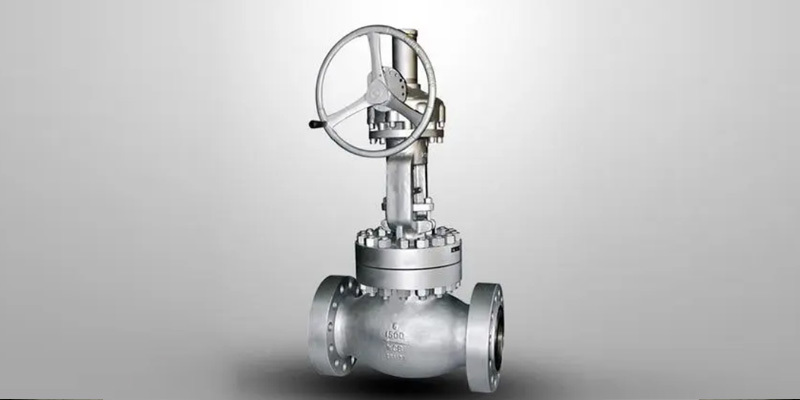
Globe valves are designed for throttling flow control. Their distinct shape allows for a high degree of flow regulation and is suitable for various industrial applications.
Ball Valves
Known for their quick shut-off capabilities, ball valves provide low resistance to flow and are often used in applications requiring rapid on/off control.
Butterfly Valves
Butterfly valves are lightweight and cost-effective, making them ideal for large volume applications. They can be operated manually or automatically and are suitable for various media.
Pressure Relief Valves
These valves are critical for safety, as they prevent over-pressurization in systems. They automatically release excess pressure, protecting equipment and personnel.
Criteria for Selecting the Right Control Valve
Choosing the appropriate control valve involves considering multiple factors:
1. Application Requirements
Assess the specific needs of the process, including flow rate, pressure, and temperature requirements to determine the most suitable valve type.
2. Material Compatibility
Ensure that the valve materials are compatible with the fluids or gases they will handle to prevent corrosion or failure.
3. Control Method
Decide whether manual or automatic control is needed, as this will influence the type of valve selected.
4. Size and Configuration
Select a valve size that matches the pipe diameter and flow requirements of the system. Proper sizing is crucial for efficiency and performance.
5. Reliability and Maintenance
Consider the reliability of the valve and ease of maintenance, as these factors will impact long-term operational efficiency.
Maintenance of Control Valves to Ensure Efficiency
Proper maintenance of control valves is crucial for sustaining process efficiency. Regular inspection and servicing can prevent failures and ensure that the valves function optimally.
1. Routine Inspections
Conducting periodic inspections helps identify wear and tear, corrosion, or other issues before they escalate into major problems.
2. Cleaning
Debris and buildup can obstruct valve operation. Regular cleaning can enhance performance and extend the valve's lifespan.
3. Calibration
Ensure that control valves are accurately calibrated to respond correctly to control signals. Regular calibration ensures that the system remains efficient and responsive.
4. Replacement
Identify when a valve has reached the end of its operational life and replace it promptly to avoid system inefficiencies and failures.
Future Trends in Control Valve Technology
Technological advancements continue to shape the future of control valves. Here are some trends to watch:
1. Automation and Smart Technologies
The integration of smart valve technology enables real-time monitoring and remote control, enhancing responsiveness and efficiency.
2. Energy-Efficient Designs
Future control valves are likely to focus on reducing energy consumption and improving sustainability, aligning with global energy efficiency goals.
3. Advanced Materials
Innovations in materials science will lead to the development of valves that are more resilient to extreme conditions, improving reliability and reducing maintenance needs.
4. Data Analytics
The use of data analytics in valve performance monitoring will provide insights into operational patterns, allowing for proactive maintenance and optimization.
FAQs about Industrial Control Valves
1. What is the primary function of control valves?
The primary function of control valves is to regulate the flow of fluids or gases in a system, ensuring optimal performance.
2. How do I know which type of control valve to choose?
The choice of control valve depends on application requirements, material compatibility, control method, and system configurations.
3. What maintenance practices should be implemented?
Routine inspections, cleaning, calibration, and timely replacement are essential maintenance practices to ensure valve efficiency.
4. Can control valves improve energy efficiency?
Yes, control valves help reduce energy consumption by optimizing flow rates and minimizing waste in industrial processes.
5. What are the future trends in control valve technology?
Future trends include advancements in automation, energy-efficient designs, innovative materials, and enhanced data analytics.
Conclusion
Industrial control valves are indispensable components that significantly enhance process efficiency. By ensuring precise control over flow, pressure, and temperature, these valves not only improve operational efficiency but also contribute to energy savings and product quality. As industries evolve and embrace technological advancements, the role of control valves will continue to grow, solidifying their importance in achieving sustainable and efficient industrial processes. Understanding their functionality, types, and maintenance requirements allows organizations to leverage the full potential of control valves, driving productivity and profitability to new heights.
Key words:
More news
Essential Installation Tips for Two-Piece Flanged Ball Valves in Industrial Settings
Understanding Cast Steel Floating Ball Valves: Key Features and Applications
Floating Ball Valve vs. Traditional Valves: What You Need to Know for Optimal Performance
Maximizing Reliability: How Customized Regulating Valves Enhance System Performance
Top Features to Look for in China’s Automatic Water Control Valves
Key Features to Look for in Quality Industrial Control Valves

National sales hotline 7*24 hours
Address: 801-805 Jingshan Road, Guannan Industrial Zone, jimei district, Xiamen City


