

-
General Purpose Valve Series Butterfly valve series Ball valve series Hydraulic control valve series Corrosion-resistant valve series Bellows valve series Regulating valve seriesThree eccentric butterfly valve series Two-way double eccentric metal hard seal butterfly valve Soft seal butterfly valve series Other Butterfly Valve SeriesHydraulic control valve series Multi-function water control valve Elastic Seated Gate Valve On-off electric valve

- All
- Product Management
- News
- Introduction
- Enterprise outlets
- FAQ
- Enterprise Video
- Enterprise Atlas
A Comprehensive Beginner's Guide to Industrial Control Valves: Mastering Essential Concepts
Release time:
May 25,2025
A Comprehensive Beginner's Guide to Industrial Control Valves: Mastering Essential Concepts
Table of Contents
- Introduction to Control Valves
- What Are Industrial Control Valves?
- Types of Control Valves
- How Control Valves Work
- Applications of Control Valves in Industry
- Selecting the Right Control Valve
- Maintenance of Control Valves
- The Future of Control Valves Technology
- Frequently Asked Questions
Introduction to Control Valves
Control valves serve an essential role in various industrial processes. By regulating the flow of fluids, gases, and steam, they ensure that systems operate efficiently and safely. In this guide, we will dive deep into the key concepts of industrial control valves, providing you with a foundational understanding to navigate this crucial component of industrial equipment.
What Are Industrial Control Valves?
Industrial control valves are mechanical devices designed to control the flow and pressure of fluids in a system. They achieve this by adjusting the size of the flow passage as directed by a control signal. The primary function of these valves is to maintain the desired output conditions, such as flow rate, temperature, and pressure, thereby optimizing the performance of the entire system.
Control valves consist of a valve body, an actuator, and a control mechanism. The valve body is responsible for the physical flow passage, while the actuator provides the necessary force to open or close the valve. The control mechanism interprets signals from sensors and adjusts the actuator accordingly.
Types of Control Valves
Various types of control valves exist, each suited for different applications and operating conditions. Understanding these types is crucial for selecting the appropriate valve for your specific needs.
Globe Valves
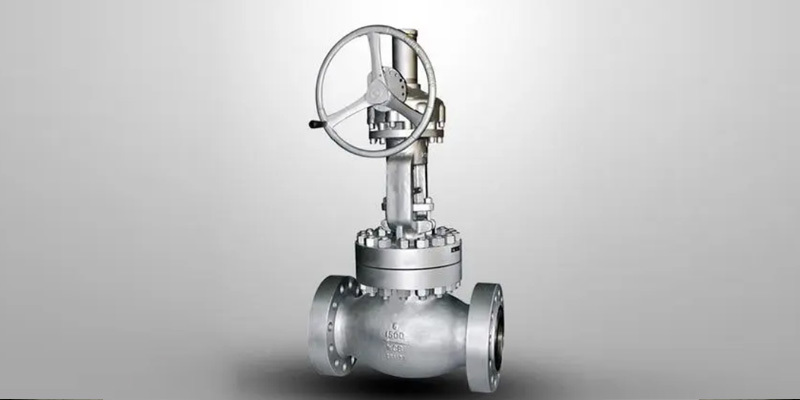
Globe valves are among the most commonly used control valves. They feature a spherical body that allows for efficient flow regulation. Their design provides excellent throttling capabilities, making them ideal for applications requiring precise control over flow rates. Globe valves are typically used in steam and water applications, as well as in chemical processing.
Ball Valves
Ball valves consist of a hollow, perforated sphere (the ball) that controls flow. When the ball is rotated, it either allows or blocks fluid flow. Their quick operation and reliable sealing properties make them suitable for on/off applications. Ball valves are often used in oil and gas, water treatment, and HVAC systems.
Butterfly Valves
Butterfly valves feature a rotating disc that controls the flow of fluid. They are known for their lightweight construction and compact design, making them ideal for applications with space restrictions. Butterfly valves are commonly used in large pipelines for water, wastewater, and chemical applications.
Check Valves
Check valves allow fluid to flow in one direction only, preventing backflow. They are crucial in protecting pumps and other equipment from damage caused by reverse flow. Check valves find applications in various industries, including water and wastewater management, oil and gas, and power generation.
How Control Valves Work
Control valves operate on the principle of feedback control. A control system continuously monitors the process variable (such as pressure or flow rate) and compares it to the desired setpoint. If the process variable deviates from the setpoint, the control system sends a signal to the actuator, which adjusts the valve position accordingly.
The valve's position can be modulated to achieve precise flow control, enabling industries to maintain optimal operating conditions. The control mechanisms can be pneumatic, hydraulic, or electric, depending on the specific requirements and available infrastructure.
Applications of Control Valves in Industry
Control valves are utilized in a wide range of industrial applications, including:
- **Oil and Gas**: Regulating flow in pipelines, refineries, and processing plants.
- **Water Treatment**: Controlling flow rates in filtration, disinfection, and distribution systems.
- **Chemical Processing**: Managing flow and pressure in reactors, mixers, and storage tanks.
- **Power Generation**: Regulating steam and coolant flow in power plants, ensuring efficient energy production.
Their versatility and functionality make control valves indispensable in modern industrial operations.
Selecting the Right Control Valve
Choosing the right control valve involves several factors:
1. **Application Requirements**: Understand the specific needs of your application, including flow rates, pressure, and temperature.
2. **Fluid Characteristics**: Consider the properties of the fluid being controlled, such as viscosity, corrosiveness, and phase (liquid or gas).
3. **Operating Conditions**: Evaluate the environment in which the valve will operate, including temperature extremes, pressure fluctuations, and potential exposure to contaminants.
4. **Valve Characteristics**: Review the operational features of different valve types and select one that aligns with your requirements for control precision and response time.
Consulting with industry experts and performing a thorough analysis can help ensure the optimal selection of control valves for your system.
Maintenance of Control Valves
Regular maintenance of control valves is essential for ensuring their longevity and efficient operation. Common maintenance tasks include:
- **Inspection**: Periodically check for signs of wear or damage, such as leaks or corrosion.
- **Calibration**: Ensure that the control system is accurately calibrated to respond to changes in process conditions.
- **Cleaning**: Regularly clean valve components to prevent blockages and ensure smooth operation.
- **Replacement of Parts**: Replace worn or damaged parts, such as seals and actuators, to maintain optimal performance.
Establishing a maintenance schedule and keeping detailed records can help extend the life of your control valves and enhance system reliability.
The Future of Control Valves Technology
The future of control valves is being shaped by advancements in technology. Innovations such as smart valves equipped with IoT sensors and automated control systems are set to revolutionize how industries operate. These smart valves can provide real-time data, enhance predictive maintenance, and improve overall efficiency.
As industries continue to evolve, the demand for more sophisticated control solutions will drive further developments in control valve technology, ensuring that they remain integral to modern industrial processes.
Frequently Asked Questions
1. What is the primary function of a control valve?
The primary function of a control valve is to regulate the flow and pressure of fluids in industrial systems, ensuring optimal performance and safety.
2. How do I know which type of control valve to choose?
Choosing the right control valve depends on the specific application requirements, fluid characteristics, and operating conditions. Consulting with industry experts can aid in this decision.
3. What is the difference between a globe valve and a ball valve?
Globe valves provide excellent throttling capabilities, making them suitable for flow control, while ball valves offer quick on/off operation with minimal pressure drop.
4. How often should control valves be maintained?
Regular maintenance is essential; it’s advisable to inspect and service control valves at least once a year, or more frequently based on operational conditions.
5. What are smart control valves?
Smart control valves are equipped with sensors and control systems that allow for real-time monitoring and automation, enhancing efficiency and predictive maintenance capabilities.
Conclusion
Understanding industrial control valves is crucial for anyone involved in industrial operations. By mastering the key concepts outlined in this guide, you can make informed decisions about selection, maintenance, and future technology trends. Control valves are vital for ensuring that industrial processes run smoothly and safely, making them a cornerstone of modern manufacturing and process industries.
Key words:
More news
Essential Installation Tips for Two-Piece Flanged Ball Valves in Industrial Settings
Understanding Cast Steel Floating Ball Valves: Key Features and Applications
Floating Ball Valve vs. Traditional Valves: What You Need to Know for Optimal Performance
Maximizing Reliability: How Customized Regulating Valves Enhance System Performance
Top Features to Look for in China’s Automatic Water Control Valves
Key Features to Look for in Quality Industrial Control Valves

National sales hotline 7*24 hours
Address: 801-805 Jingshan Road, Guannan Industrial Zone, jimei district, Xiamen City


