

-
General Purpose Valve Series Butterfly valve series Ball valve series Hydraulic control valve series Corrosion-resistant valve series Bellows valve series Regulating valve seriesThree eccentric butterfly valve series Two-way double eccentric metal hard seal butterfly valve Soft seal butterfly valve series Other Butterfly Valve SeriesHydraulic control valve series Multi-function water control valve Elastic Seated Gate Valve On-off electric valve

- All
- Product Management
- News
- Introduction
- Enterprise outlets
- FAQ
- Enterprise Video
- Enterprise Atlas
Understanding the Role of Globe Butterfly Valves in Industrial Applications
Release time:
May 23,2025
Understanding the Role of Globe Butterfly Valves in Industrial Applications
Table of Contents
- 1. Introduction to Globe Butterfly Valves
- 2. Design and Functionality of Globe Butterfly Valves
- 3. Advantages of Using Globe Butterfly Valves
- 4. Key Applications of Globe Butterfly Valves in Industry
- 5. Maintenance and Care for Globe Butterfly Valves
- 6. Criteria for Selecting the Right Globe Butterfly Valve
- 7. Common Issues and Troubleshooting
- 8. Frequently Asked Questions
- 9. Conclusion
1. Introduction to Globe Butterfly Valves
Globe butterfly valves are essential components in numerous industrial applications, providing critical flow control in various systems. These valves are unique in design, offering a combination of efficient flow regulation and straightforward operation. Their ability to manage fluid flow effectively makes them indispensable in facilities ranging from manufacturing plants to water treatment facilities.
Understanding the significance of globe butterfly valves not only aids in selecting the right type for your application but also enhances overall system efficiency. As industries evolve and demand more robust solutions, the importance of these valves continues to grow.
2. Design and Functionality of Globe Butterfly Valves
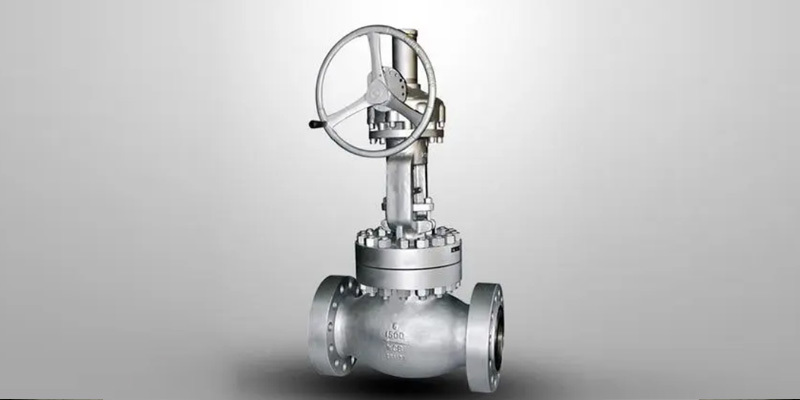
The design of globe butterfly valves features a circular disc mounted on a rotating shaft, which allows for precise regulation of fluid flow. The unique geometry of the valve body contributes to its superior performance in throttling applications. Here are some critical design aspects:
2.1 Structure and Components
Globe butterfly valves typically consist of the following components:
- **Body**: The main body, often cast from materials such as stainless steel or ductile iron, houses the other components and must withstand high pressures.
- **Disc**: The circular disc is pivotal in controlling flow. Its shape and material can significantly affect performance.
- **Shaft**: This component connects the disc to the actuator, allowing for smooth rotation and flow regulation.
- **Actuator**: The actuator can be manual or automated, providing options for easy operation.
2.2 Operating Principles
Globe butterfly valves operate based on the rotation of the disc. When the actuator turns the disc, it moves into the flow path, either blocking or allowing the flow. The degree of rotation determines how much flow is allowed, providing excellent control over the process.
3. Advantages of Using Globe Butterfly Valves
Several benefits make globe butterfly valves a popular choice in industrial applications:
3.1 Space Efficiency
Unlike traditional gate valves, globe butterfly valves have a compact design, saving valuable space in installations where every inch counts. Their lightweight design also reduces structural stress on piping systems.
3.2 Enhanced Flow Control
Globe butterfly valves provide exceptional throttling capabilities. This feature is crucial in applications requiring precise flow regulation, enhancing overall system efficiency.
3.3 Versatility
These valves are suitable for diverse applications, including water treatment, chemical processing, and HVAC systems. Their versatility makes them a preferred choice in various industries.
3.4 Cost-Effectiveness
The manufacturing process for globe butterfly valves is cost-effective, resulting in lower purchase prices. Additionally, their durability and low maintenance requirements further enhance their value over time.
4. Key Applications of Globe Butterfly Valves in Industry
Globe butterfly valves are employed in various industrial sectors, each with specific requirements. Here are some key applications:
4.1 Water Treatment Facilities
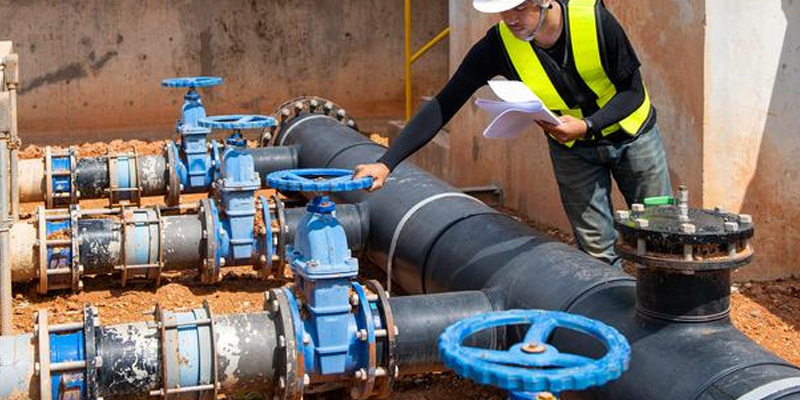
In water treatment facilities, globe butterfly valves regulate the flow of water through filtration and purification processes. Their ability to withstand corrosive environments and provide precise control is vital for maintaining water quality.
4.2 Chemical Processing
The chemical industry relies on globe butterfly valves to control the flow of corrosive and volatile substances. Their robust design ensures safety and reliability in handling hazardous materials.
4.3 HVAC Systems
In heating, ventilation, and air conditioning (HVAC) systems, globe butterfly valves control airflow, ensuring optimal performance and energy efficiency in climate control.
4.4 Oil and Gas Industry
In the oil and gas sector, these valves manage the flow of oil and natural gas, providing reliable service in high-pressure situations and supporting safe transportation.
5. Maintenance and Care for Globe Butterfly Valves
Proper maintenance is crucial for ensuring the longevity and reliability of globe butterfly valves. Consider the following practices:
5.1 Regular Inspections
Conducting routine inspections can identify wear and tear early, allowing for timely repairs. Check for leaks, corrosion, or any signs of malfunction.
5.2 Lubrication
Ensure that the actuator and shaft are adequately lubricated to prevent wear and maintain smooth operation. Use manufacturer-recommended lubricants for optimal performance.
5.3 Cleaning
Regular cleaning ensures that debris does not obstruct the valve’s operation. Depending on the application, establish a cleaning schedule that aligns with operational demands.
6. Criteria for Selecting the Right Globe Butterfly Valve
Choosing the appropriate globe butterfly valve for your application involves several considerations:
6.1 Material Compatibility
Select a valve material that can withstand the operating conditions, including pressure, temperature, and the nature of the fluid being handled.
6.2 Size and Pressure Rating
Ensure that the valve’s size matches the piping system's specifications. The pressure rating must also align with the operational requirements to prevent failures.
6.3 Actuation Type
Determine whether a manual or automated actuator best suits your application. Automated actuators provide convenience for remote operation, while manual options may suffice for simpler systems.
7. Common Issues and Troubleshooting
When working with globe butterfly valves, operators may encounter various issues. Recognizing these problems and understanding their solutions is essential for maintaining valve performance.
7.1 Leaking Valves
If a valve is leaking, it may indicate wear on the seals or other components. Inspect and replace any damaged parts promptly to avoid further complications.
7.2 Sticking or Jammed Valves
A valve that is difficult to operate may have debris lodged in the mechanism. Cleaning and lubricating the valve can often resolve this issue.
7.3 Inconsistent Flow Control
If flow control is inconsistent, check the actuator and connections to ensure everything is functioning correctly. Calibration may be necessary to restore precise control.
8. Frequently Asked Questions
8.1 What is the difference between a globe valve and a butterfly valve?
A globe valve is primarily designed for flow regulation, while a butterfly valve is more suited for on/off control with quick operation. However, both can serve similar purposes depending on design.
8.2 How do I know when to replace my globe butterfly valve?
Signs of wear, such as frequent leaks, difficulty in operation, or inconsistent flow control, indicate that replacement may be necessary.
8.3 Can globe butterfly valves handle high-pressure applications?
Yes, many globe butterfly valves are designed to handle high-pressure conditions. Always check the manufacturer's specifications for pressure ratings.
8.4 Are there any maintenance tips specific to globe butterfly valves?
Regular inspections, lubrication, and cleaning are essential maintenance practices specific to globe butterfly valves to ensure their longevity.
8.5 What materials are globe butterfly valves typically made from?
Common materials include stainless steel, ductile iron, and PVC, depending on the application and fluid compatibility.
9. Conclusion
Globe butterfly valves play a vital role in the efficiency and safety of various industrial applications. Their unique design offers excellent flow control, versatility, and cost-effectiveness, making them a preferred choice across multiple sectors. By understanding their functionality, advantages, and maintenance needs, operators can significantly enhance their industrial processes. Selecting the right globe butterfly valve tailored to your specific application will ensure optimal performance and reliability, ultimately contributing to the success of your operations.
Key words:
More news
Essential Installation Tips for Two-Piece Flanged Ball Valves in Industrial Settings
Understanding Cast Steel Floating Ball Valves: Key Features and Applications
Floating Ball Valve vs. Traditional Valves: What You Need to Know for Optimal Performance
Maximizing Reliability: How Customized Regulating Valves Enhance System Performance
Top Features to Look for in China’s Automatic Water Control Valves
Key Features to Look for in Quality Industrial Control Valves

National sales hotline 7*24 hours
Address: 801-805 Jingshan Road, Guannan Industrial Zone, jimei district, Xiamen City


