

-
General Purpose Valve Series Butterfly valve series Ball valve series Hydraulic control valve series Corrosion-resistant valve series Bellows valve series Regulating valve seriesThree eccentric butterfly valve series Two-way double eccentric metal hard seal butterfly valve Soft seal butterfly valve series Other Butterfly Valve SeriesHydraulic control valve series Multi-function water control valve Elastic Seated Gate Valve On-off electric valve

- All
- Product Management
- News
- Introduction
- Enterprise outlets
- FAQ
- Enterprise Video
- Enterprise Atlas
How Industrial Control Valves Enhance Safety in Manufacturing Processes
Release time:
Jun 24,2025
How Industrial Control Valves Enhance Safety in Manufacturing Processes
Table of Contents
- 1. Introduction
- 2. What Are Industrial Control Valves?
- 3. Importance of Safety in Manufacturing
- 4. Role of Control Valves in Enhancing Safety
- 5. Benefits of Using Control Valves in Manufacturing
- 6. Choosing the Right Control Valve for Safety
- 7. The Future of Control Valves in Industrial Safety
- 8. Conclusion
- 9. FAQs
1. Introduction
In the ever-evolving landscape of manufacturing, **safety** remains a paramount concern. The integration of **industrial control valves** represents a crucial element in achieving a safer operational environment. These vital components regulate the flow of liquids and gases, ensuring processes run smoothly while mitigating the risks associated with potential hazards. Understanding how these valves function and their role in enhancing safety is essential for manufacturers aiming to protect both their workforce and their equipment.
2. What Are Industrial Control Valves?
**Industrial control valves** are mechanical devices that regulate the flow of fluids by varying the size of the flow passage. They are instrumental in maintaining desired flow parameters, pressure, and temperature within a system.
2.1. Types of Control Valves
Several types of control valves exist, each designed for specific applications and conditions. The most common types include:
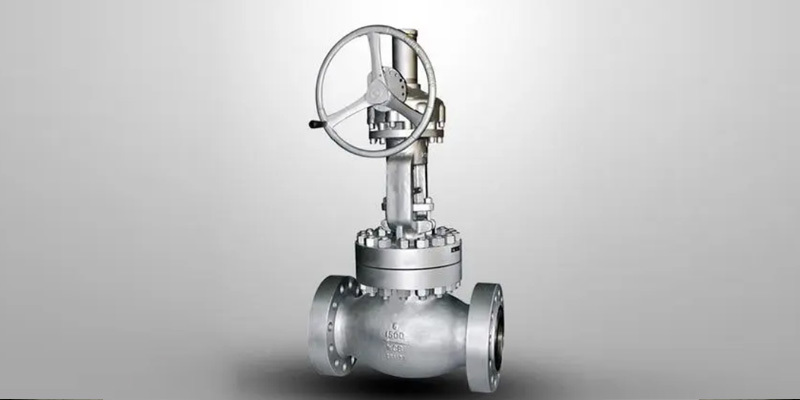
- **Globe Valves**: These valves are known for their throttling capabilities and are widely used in control applications.
- **Ball Valves**: Featuring a spherical disc that controls the flow, ball valves offer quick shut-off and are suitable for on/off applications.
- **Butterfly Valves**: These lightweight valves are often used in large-scale systems for regulating flow with minimal pressure drop.
- **Check Valves**: Preventing backflow, check valves ensure fluid only moves in one direction, contributing to system safety.
2.2. How Control Valves Work
Control valves operate based on a feedback loop from various sensors within the system. They receive signals that dictate how much fluid should flow and adjust their position accordingly. This automated response is fundamental for maintaining safety as it helps prevent dangerous fluctuations in system pressure or temperature.
3. Importance of Safety in Manufacturing
Safety in manufacturing is not merely a regulatory obligation; it is vital for sustaining productivity and protecting lives. Unsafe practices can lead to **accidents**, **equipment failure**, and **environmental hazards**, resulting in significant financial losses and reputational damage. By prioritizing safety, manufacturers can create a more efficient workplace while ensuring compliance with industry standards.
4. Role of Control Valves in Enhancing Safety
Industrial control valves play an invaluable role in maintaining safety through various mechanisms. Their design and functionality contribute significantly to hazard prevention and risk management.
4.1. Preventing Overpressure and Leaks
Control valves help to maintain pressure within specified limits. Overpressure can lead to catastrophic failures, such as explosions or leaks, which could pose serious risks to personnel and the environment. By automatically adjusting the flow rate, control valves ensure that pressure does not exceed safe levels, thereby minimizing these risks.
4.2. Maintaining Accurate Control
Precision in flow control is essential to avoid unintentional reactions or processes that can lead to unsafe situations. Control valves allow for meticulous regulation of flow rates, ensuring that materials are processed under optimal conditions, which supports safety and efficiency.
4.3. Emergency Shutdown Systems
In the event of a malfunction, control valves can be part of an emergency shutdown system. These systems are designed to quickly halt operations and isolate sections of the manufacturing process to prevent accidents. By integrating control valves with automated shutdown protocols, manufacturers can ensure a swift and effective response to emergencies.
5. Benefits of Using Control Valves in Manufacturing
Utilizing industrial control valves provides several benefits that extend beyond safety. These include:
- **Enhanced Operational Efficiency**: By maintaining optimal flow rates and pressures, control valves improve overall system efficiency.
- **Cost Savings**: Reducing the risk of accidents and equipment failure translates to lower operational costs and insurance premiums.
- **Regulatory Compliance**: Properly functioning control valves help companies meet safety regulations, avoiding fines and potential shutdowns.
- **Improved Product Quality**: Consistent control of process parameters leads to better quality products, meeting customer expectations.
6. Choosing the Right Control Valve for Safety
Selecting the appropriate control valve for a specific application is critical for maximizing safety and efficiency.
6.1. Factors to Consider
When choosing a control valve, manufacturers should consider the following factors:
- **Fluid Characteristics**: The nature of the fluid being controlled (e.g., corrosiveness, viscosity) will dictate the type of valve materials needed.
- **Pressure and Temperature**: Understanding the operating pressure and temperature conditions is essential for selecting a valve that can withstand these extremes.
- **Flow Requirements**: The required flow rate impacts the type and size of the control valve.
6.2. Common Mistakes to Avoid
To ensure safety, manufacturers should avoid these common pitfalls:
- **Underestimating Valve Sizing**: An incorrectly sized valve can lead to inadequate control and safety risks.
- **Ignoring Maintenance Needs**: Regular maintenance and inspections are crucial for ensuring valves operate properly.
- **Neglecting System Integration**: Failing to consider how a new valve will integrate into the existing system can lead to operational inefficiencies.
7. The Future of Control Valves in Industrial Safety
The future of industrial control valves looks promising, with advancements in technology driving improvements in functionality and safety. **Smart valves** that leverage IoT technology will enable real-time monitoring and predictive maintenance, further enhancing safety and efficiency in manufacturing processes. Additionally, the trend toward automation will likely lead to more sophisticated control systems that integrate seamlessly with control valves for superior operational oversight.
8. Conclusion
In conclusion, industrial control valves are essential components that significantly enhance safety in manufacturing environments. By preventing overpressure, maintaining accurate control, and facilitating emergency responses, these valves play a vital role in protecting personnel, equipment, and the environment. As technology continues to advance, the role of control valves will evolve, further underscoring their importance in achieving safer and more efficient manufacturing operations.
9. FAQs
What is the primary function of industrial control valves?
The primary function of industrial control valves is to regulate the flow of fluids, ensuring that processes operate safely and efficiently.
How do control valves prevent accidents in manufacturing?
Control valves maintain safe pressure and flow levels, preventing overpressure, leaks, and other hazardous situations that could lead to accidents.
What factors should be considered when selecting a control valve?
Key factors include fluid characteristics, pressure and temperature conditions, flow requirements, and valve sizing.
What are the benefits of using control valves?
Benefits include enhanced operational efficiency, cost savings, regulatory compliance, and improved product quality.
How can manufacturers ensure the effective operation of control valves?
Regular maintenance, proper sizing, and integration into the existing system are crucial for ensuring control valves operate effectively.
Key words:
More news
Essential Installation Tips for Two-Piece Flanged Ball Valves in Industrial Settings
Understanding Cast Steel Floating Ball Valves: Key Features and Applications
Floating Ball Valve vs. Traditional Valves: What You Need to Know for Optimal Performance
Maximizing Reliability: How Customized Regulating Valves Enhance System Performance
Top Features to Look for in China’s Automatic Water Control Valves
Key Features to Look for in Quality Industrial Control Valves

National sales hotline 7*24 hours
Address: 801-805 Jingshan Road, Guannan Industrial Zone, jimei district, Xiamen City


