

-
General Purpose Valve Series Butterfly valve series Ball valve series Hydraulic control valve series Corrosion-resistant valve series Bellows valve series Regulating valve seriesThree eccentric butterfly valve series Two-way double eccentric metal hard seal butterfly valve Soft seal butterfly valve series Other Butterfly Valve SeriesHydraulic control valve series Multi-function water control valve Elastic Seated Gate Valve On-off electric valve

- All
- Product Management
- News
- Introduction
- Enterprise outlets
- FAQ
- Enterprise Video
- Enterprise Atlas
Integrating Industrial Control Valves into Smart Manufacturing Systems: The Future of Automated Control
Release time:
Jul 24,2025
Integrating Industrial Control Valves into Smart Manufacturing Systems
Introduction to Smart Manufacturing and Control Valves
In the rapidly evolving landscape of manufacturing, **smart technologies** are redefining operational efficiencies. Central to this transformation are **industrial control valves**, which serve as critical components in regulating flow and pressure across various processes. This article delves into the integration of these valves within **smart manufacturing systems**, highlighting their importance, functionality, and the benefits they bring to modern industrial enterprises.
Understanding Industrial Control Valves
Industrial control valves are devices that manage the flow of liquids, gases, and slurries in a manufacturing setting. They operate by opening, closing, or partially obstructing passageways to control process parameters. Their role is crucial in ensuring safety, maintaining process conditions, and optimizing resource use.
The Role of Control Valves in Manufacturing Processes
Control valves influence several key aspects of manufacturing, including:
- **Flow Control**: Regulating the flow rate of materials to maintain desired process conditions.
- **Pressure Management**: Ensuring systems operate within safe limits to prevent failures and accidents.
- **Temperature Regulation**: Maintaining optimal thermal conditions for processes that require precise temperature control.
- **Chemical Mixing**: Facilitating the exact proportions of materials to achieve consistent product quality.
Types of Industrial Control Valves
There are several types of control valves used in manufacturing, including:
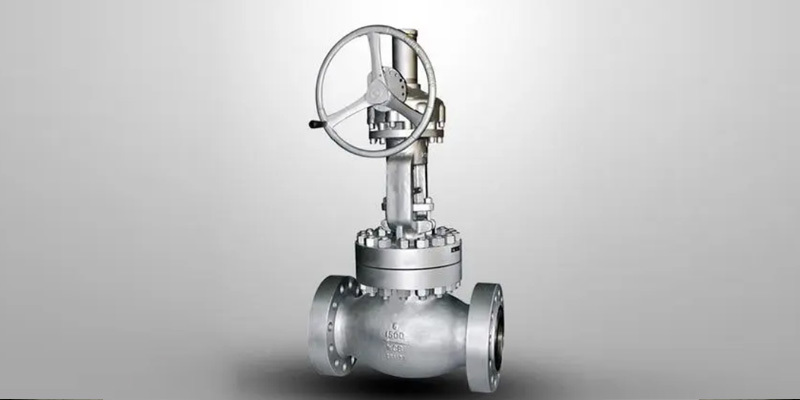
- **Globe Valves**: Ideal for precise flow control, these valves are commonly used in throttling applications.
- **Ball Valves**: Known for their quick operation, they are suitable for on/off control with minimal pressure drop.
- **Butterfly Valves**: Efficient in larger pipelines, these valves provide excellent flow control in a compact design.
- **Check Valves**: Prevent backflow, ensuring the safe operation of systems.
The Shift Toward Smart Manufacturing
Smart manufacturing utilizes advanced technologies such as the Internet of Things (IoT), artificial intelligence (AI), and data analytics to enhance production efficiency. This shift is characterized by interconnected machines, real-time data flow, and automation, all aimed at optimizing operations and reducing costs.
Key Features of Smart Manufacturing Systems
- **Interconnectivity**: Machines and systems communicate seamlessly, enabling real-time monitoring and control.
- **Data-Driven Decision Making**: Utilizing big data analysis to inform operational strategies and maintenance schedules.
- **Automation**: Streamlining processes through automated systems to reduce human error and enhance efficiency.
- **Predictive Maintenance**: Leveraging IoT sensors to predict equipment failures before they occur, minimizing downtime.
Integrating Control Valves into Smart Manufacturing Systems
The integration of control valves into smart manufacturing systems represents a significant advancement in operational efficiency. This process involves several key steps.
Assessing Current Systems
Before integration, it's essential to evaluate existing control systems. Identify the types of valves in use, their performance, and any limitations they may have. This assessment provides a baseline for integrating new technology.
Choosing the Right Valves for Integration
Select control valves that are compatible with smart technologies. Look for valves equipped with IoT capabilities, allowing for remote monitoring and control through a centralized system.
Implementing Real-Time Data Collection
Integrating sensors with control valves can facilitate real-time data collection on flow rates, pressure levels, and temperature readings. This data can be transmitted to a central system, providing valuable insights into process performance.
Utilizing Advanced Analytics and AI
Artificial intelligence can analyze data collected from control valves to identify trends and anomalies. This capability allows for proactive adjustments to be made in real-time, improving overall system efficiency.
Benefits of Integrating Control Valves into Smart Manufacturing
The integration of industrial control valves into smart manufacturing systems offers numerous benefits.
Enhanced Efficiency
By automating flow control, manufacturers can achieve higher efficiency levels, reducing operational costs and minimizing waste.
Improved Safety
Smart systems can monitor conditions in real-time, providing immediate alerts for any deviations from set parameters, thereby enhancing workplace safety.
Increased Product Quality
Precise control over process variables ensures consistency in product quality, meeting customer expectations and regulatory standards.
Cost Savings
Reduced energy consumption and minimized downtime through predictive maintenance translate into significant cost savings over time.
Challenges in Integration and How to Overcome Them
Despite the numerous benefits, integrating control valves into smart manufacturing systems presents challenges.
Compatibility Issues
Legacy systems may not be compatible with modern smart technologies. To overcome this, manufacturers may need to invest in retrofitting or replacing outdated equipment.
Data Security Concerns
With increased connectivity comes the risk of cyber threats. Implementing robust cybersecurity measures, including encryption and regular updates, is crucial to safeguarding sensitive data.
Training and Skill Development
Employees must be trained to operate and maintain new systems effectively. Investing in training programs can help bridge the skill gap and ensure a smooth transition.
The Future of Control Valves in Smart Manufacturing
As smart manufacturing continues to evolve, control valves will play an increasingly vital role. Future trends may include:
Increased Automation
As technology advances, the level of automation in manufacturing processes will rise, with control valves becoming more autonomous and capable of self-adjustment based on real-time conditions.
Greater Data Integration
The future will see enhanced integration of data across all levels of manufacturing, allowing for more comprehensive analytics and better decision-making.
Innovative Materials
Developments in materials science may lead to the creation of control valves that are more durable, efficient, and capable of handling extreme conditions.
FAQs About Integrating Control Valves into Smart Manufacturing
What are industrial control valves?
Industrial control valves are devices used to regulate the flow of fluids in manufacturing processes, ensuring optimal performance and safety.
How do control valves enhance smart manufacturing?
Control valves enhance smart manufacturing by providing precise control over process variables, allowing for automation, real-time monitoring, and increased efficiency.
What are the types of control valves commonly used in manufacturing?
Common types include globe valves, ball valves, butterfly valves, and check valves, each serving specific applications based on their characteristics.
What challenges can arise during the integration process?
Challenges may include compatibility issues with legacy systems, data security risks, and the need for employee training on new technologies.
What is the future of control valves in smart manufacturing?
The future will likely see increased automation, greater data integration, and advancements in materials used for control valves, enhancing their efficiency and capabilities.
Conclusion
The integration of industrial control valves into smart manufacturing systems is not just a trend; it is a strategic necessity for businesses aiming for operational excellence. By leveraging advanced technologies and data analytics, manufacturers can enhance efficiency, improve safety, and ensure high product quality. As we move forward, embracing these innovations will be crucial for staying competitive in an increasingly automated and data-driven industry. As the manufacturing landscape evolves, so too will the role of control valves, paving the way for a more integrated and efficient future.
Key words:
More news
Essential Installation Tips for Two-Piece Flanged Ball Valves in Industrial Settings
Understanding Cast Steel Floating Ball Valves: Key Features and Applications
Floating Ball Valve vs. Traditional Valves: What You Need to Know for Optimal Performance
Maximizing Reliability: How Customized Regulating Valves Enhance System Performance
Top Features to Look for in China’s Automatic Water Control Valves
Key Features to Look for in Quality Industrial Control Valves

National sales hotline 7*24 hours
Address: 801-805 Jingshan Road, Guannan Industrial Zone, jimei district, Xiamen City


