

-
General Purpose Valve Series Butterfly valve series Ball valve series Hydraulic control valve series Corrosion-resistant valve series Bellows valve series Regulating valve seriesThree eccentric butterfly valve series Two-way double eccentric metal hard seal butterfly valve Soft seal butterfly valve series Other Butterfly Valve SeriesHydraulic control valve series Multi-function water control valve Elastic Seated Gate Valve On-off electric valve

- All
- Product Management
- News
- Introduction
- Enterprise outlets
- FAQ
- Enterprise Video
- Enterprise Atlas
The Essential Guide to Maintaining Globe Butterfly Valves: Unlocking Performance and Longevity
Release time:
Jul 22,2025
The Importance of Proper Maintenance for Globe Butterfly Valves
Table of Contents
- Introduction to Globe Butterfly Valves
- Benefits of Proper Maintenance
- Common Issues with Globe Butterfly Valves
- Best Practices for Maintaining Globe Butterfly Valves
- How Often Should Maintenance Be Performed?
- Troubleshooting Common Problems
- Case Studies: Successful Maintenance Programs
- Conclusion
- FAQs
Introduction to Globe Butterfly Valves
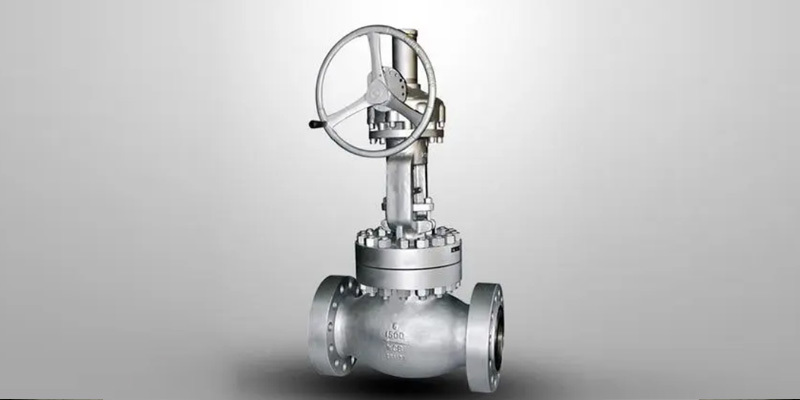
Globe butterfly valves are pivotal components in various industrial applications, used primarily for regulating flow within pipelines. They offer a unique combination of efficiency and versatility, making them a popular choice for controlling liquid and gas flows across multiple sectors, including oil and gas, water treatment, and chemical processing. However, like all mechanical components, these valves require **regular maintenance** to ensure they operate effectively and reliably over time.
In this article, we will explore the importance of maintaining globe butterfly valves, the benefits of a regular maintenance schedule, common issues faced by these valves, best practices for upkeep, troubleshooting tips, and real-life case studies demonstrating the effectiveness of proper maintenance.
Benefits of Proper Maintenance
Maintaining globe butterfly valves is not merely a recommendation but a necessity. The benefits of proper maintenance include:
1. Enhanced Performance
Regular maintenance ensures that the globe butterfly valves function at their optimal levels. By keeping the internal components clean and free from debris, you significantly enhance flow efficiency and reduce pressure drops.
2. Increased Lifespan
By performing routine checks and maintenance, the lifespan of globe butterfly valves can be significantly extended. Replacing worn-out parts before they fail can prevent premature valve replacement and reduce long-term operational costs.
3. Reduced Downtime
Unplanned downtime can be costly in any industrial setting. Implementing a proactive maintenance strategy helps to identify potential issues early, preventing unexpected valve failures that could halt production.
4. Safety Assurance
Regular maintenance minimizes the risk of leaks and failures, ensuring a safe working environment. This is particularly important in industries where hazardous materials are involved.
5. Compliance with Regulations
Many industries are subject to strict regulations regarding equipment maintenance. Keeping a diligent maintenance schedule for globe butterfly valves helps ensure compliance, avoiding potential penalties.
Common Issues with Globe Butterfly Valves
Despite their durability, globe butterfly valves can face several common issues that can impact performance and safety. Understanding these issues is essential for effective maintenance.
1. Wear and Tear
Over time, the components of globe butterfly valves, such as seals and seats, may wear down, affecting their ability to maintain a tight seal. This wear can lead to leaks and inefficient operation.
2. Corrosion
Corrosion can be a significant concern, especially in applications involving corrosive fluids. Regular inspections can help identify corrosion early, allowing for timely repairs or replacements.
3. Jamming or Sticking
Debris or build-up within the valve can cause it to jam or stick, preventing it from opening or closing properly. This can happen due to inadequate cleaning or lack of lubrication.
4. Improper Installation
If a globe butterfly valve is not installed correctly, it may not function as intended. Issues may arise from misalignment or improper torque settings.
5. Environmental Factors
Environmental conditions, such as extreme temperatures or pressure fluctuations, can affect the performance of globe butterfly valves. Regular monitoring can help mitigate these impacts.
Best Practices for Maintaining Globe Butterfly Valves
To ensure the longevity and reliability of globe butterfly valves, implement the following best practices in your maintenance routine.
1. Regular Inspections
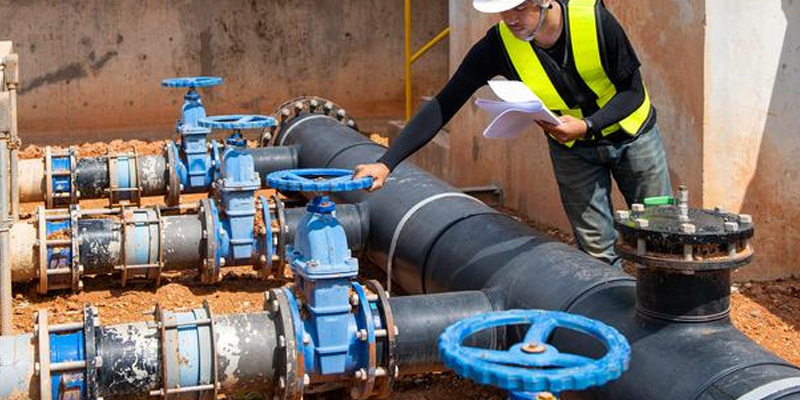
Conduct visual and functional inspections at regular intervals. Look for signs of wear, leaks, or unusual noise during operation. Document any findings for further analysis.
2. Cleaning Procedures
Develop a cleaning schedule that includes the removal of debris and buildup from the valve body and surrounding areas. Use appropriate cleaning agents that do not damage the valve materials.
3. Lubrication
Ensure that all moving parts are adequately lubricated to prevent friction and wear. Use lubricants compatible with the valve’s materials and the fluids it handles.
4. Replace Worn Components
Identify and replace seals, seats, and other components that show signs of wear or damage. Keeping spare parts on hand can facilitate quick repairs and minimize downtime.
5. Training and Awareness
Ensure that staff involved in the operation and maintenance of globe butterfly valves are well-trained. Provide ongoing education on the importance of maintenance and the specific procedures to follow.
How Often Should Maintenance Be Performed?
The frequency of maintenance for globe butterfly valves can vary based on several factors, including the operating environment, the type of fluid being handled, and the specific application. However, as a general guideline:
1. Routine Inspections
Perform visual inspections monthly to identify any visible issues or leaks.
2. Detailed Maintenance
Conduct thorough maintenance checks, including cleaning and component replacement, at least every six months.
3. Condition-Based Maintenance
For critical applications, implement a condition-based maintenance strategy, where maintenance is performed based on the actual condition of the valve rather than a set schedule.
Troubleshooting Common Problems
In the event of performance issues, follow this troubleshooting guide to diagnose and resolve problems with globe butterfly valves.
1. Issue: The Valve Won't Open or Close
- **Check for Obstructions**: Ensure there is no debris blocking the valve.
- **Inspect the Actuator**: Verify that the actuator is functioning correctly and receiving the necessary signals.
2. Issue: Leakage Around the Valve
- **Inspect Seals and Seats**: Look for wear or damage.
- **Tighten Fasteners**: Ensure that all bolts and fittings are properly tightened.
3. Issue: Unusual Noises During Operation
- **Lubricate Moving Parts**: Ensure that all moving components are adequately lubricated.
- **Check for Misalignment**: Ensure that the valve is properly aligned within the pipeline.
4. Issue: Corrosion or Rust**
- **Perform Surface Treatment**: Apply anti-corrosive coatings if necessary.
- **Replace Affected Components**: If corrosion is severe, consider replacing affected parts.
Case Studies: Successful Maintenance Programs
**Case Study 1: Oil and Gas Industry**
A major oil refining company implemented a comprehensive maintenance program for their globe butterfly valves, which involved monthly inspections and bi-annual replacements of seals. As a result, they saw a **30% reduction in unplanned downtime** and a significant increase in operational efficiency.
**Case Study 2: Water Treatment Plant**
A water treatment facility adopted condition-based maintenance for their globe butterfly valves, using sensors to monitor valve performance. This approach led to timely interventions and improved reliability, ultimately saving the facility an estimated **$50,000 annually** in repair costs.
Conclusion
Proper maintenance of globe butterfly valves is essential for ensuring optimal performance, safety, and longevity in industrial applications. By implementing a structured maintenance routine, addressing common issues proactively, and fostering a culture of awareness among staff, organizations can significantly enhance the reliability and efficiency of these critical components. Investing in maintenance not only extends the life of the valves but also promotes a safe and efficient working environment, ultimately leading to cost savings and improved operational performance.
FAQs
1. What are globe butterfly valves used for?
Globe butterfly valves are primarily used to regulate fluid flow in pipelines, making them suitable for various industrial applications, including oil and gas, water treatment, and chemical processing.
2. How do I know when to replace my globe butterfly valve?
Signs that your globe butterfly valve may need replacement include frequent leaks, reduced flow efficiency, and visible corrosion or damage.
3. Can I perform maintenance on globe butterfly valves myself?
While basic maintenance tasks such as cleaning and lubrication can often be performed by trained staff, it is advisable to consult with a professional for more complex inspections and repairs.
4. What materials are globe butterfly valves made from?
Globe butterfly valves can be made from various materials, including stainless steel, cast iron, and plastic, depending on the application and the type of fluid being handled.
5. What is the average lifespan of a globe butterfly valve?
The average lifespan of a globe butterfly valve can vary widely depending on factors such as the operating environment and maintenance practices; however, with proper care, they can last anywhere from 10 to 25 years or more.
Key words:
More news
Essential Installation Tips for Two-Piece Flanged Ball Valves in Industrial Settings
Understanding Cast Steel Floating Ball Valves: Key Features and Applications
Floating Ball Valve vs. Traditional Valves: What You Need to Know for Optimal Performance
Maximizing Reliability: How Customized Regulating Valves Enhance System Performance
Top Features to Look for in China’s Automatic Water Control Valves
Key Features to Look for in Quality Industrial Control Valves

National sales hotline 7*24 hours
Address: 801-805 Jingshan Road, Guannan Industrial Zone, jimei district, Xiamen City


