

-
General Purpose Valve Series Butterfly valve series Ball valve series Hydraulic control valve series Corrosion-resistant valve series Bellows valve series Regulating valve seriesThree eccentric butterfly valve series Two-way double eccentric metal hard seal butterfly valve Soft seal butterfly valve series Other Butterfly Valve SeriesHydraulic control valve series Multi-function water control valve Elastic Seated Gate Valve On-off electric valve

- All
- Product Management
- News
- Introduction
- Enterprise outlets
- FAQ
- Enterprise Video
- Enterprise Atlas
The Essential Role of Industrial Control Valves in Fluid Dynamics: Optimizing Efficiency and Performance
Release time:
Aug 23,2025
The Essential Role of Industrial Control Valves in Fluid Dynamics: Optimizing Efficiency and Performance
Table of Contents
- 1. Introduction to Industrial Control Valves
- 2. Understanding Fluid Dynamics in Industrial Systems
- 3. The Functionality of Control Valves in Fluid Dynamics
- 4. Types of Control Valves Used in Industry
- 5. Applications of Control Valves in Various Industries
- 6. The Impact of Control Valves on System Efficiency
- 7. Trends and Innovations in Control Valve Technology
- 8. Maintenance Tips for Optimizing Control Valve Performance
- 9. Frequently Asked Questions
- 10. Conclusion
1. Introduction to Industrial Control Valves
Industrial control valves are crucial components in fluid management systems, allowing for precise control of flow rates, pressure, and temperature in various applications. These valves regulate the flow of liquids and gases, ensuring optimal performance in manufacturing, processing, and distribution systems. Understanding the role of control valves in fluid dynamics is essential for maximizing system efficiency and reliability.
2. Understanding Fluid Dynamics in Industrial Systems
Fluid dynamics is the study of how fluids behave when they are in motion. It encompasses the forces acting on fluids and how those forces affect their movement. In industrial applications, understanding fluid dynamics is vital for designing systems that efficiently transport, mix, and process fluids.
The Fundamentals of Fluid Dynamics
Fluid dynamics is governed by fundamental principles such as the Bernoulli equation, continuity equation, and the Navier-Stokes equations. These principles help predict how fluids interact with surfaces, allowing engineers to design systems that optimize flow and minimize energy losses.
Importance of Fluid Dynamics in Industrial Processes
In industries such as oil and gas, chemicals, and water treatment, fluid dynamics plays a pivotal role. It affects everything from how materials are blended to how heat is exchanged in cooling systems. A thorough understanding of these dynamics allows engineers to design more effective control systems.
3. The Functionality of Control Valves in Fluid Dynamics
Control valves function primarily to regulate the flow of fluids within a system. They achieve this by adjusting the size of the flow passage, thereby controlling the flow rate, pressure, and temperature of the fluid.
How Control Valves Work
The operation of a control valve typically involves an actuator, a valve body, and a control mechanism. The actuator receives signals from a control system and adjusts the valve's position accordingly. This change can be either linear or rotary, depending on the type of valve.
Key Roles of Control Valves
1. **Flow Regulation**: Control valves maintain desired flow rates by adjusting the opening size.
2. **Pressure Control**: They prevent excessive pressure build-up, protecting system integrity.
3. **Temperature Regulation**: By controlling the flow of heating or cooling fluids, control valves help maintain optimal temperatures in processes.
4. Types of Control Valves Used in Industry
Several types of control valves are employed in industrial settings, each suited for specific applications.
1. Globe Valves
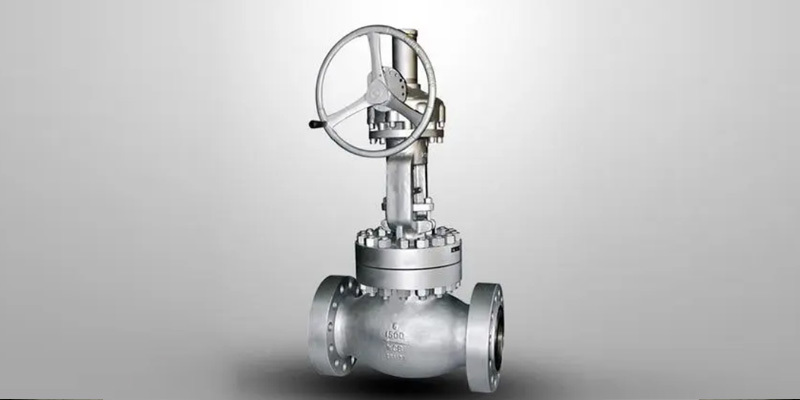
Globe valves are ideal for throttling flow due to their design, which allows for precise control. They are commonly used in steam and water applications.
2. Ball Valves
Ball valves offer quick on/off control with minimal pressure drop. They are often used in applications requiring tight shut-off capabilities.
3. Butterfly Valves
Butterfly valves are lightweight and compact, making them suitable for large volumes of fluid with lower pressure requirements.
4. Gate Valves
Gate valves provide a straight-line flow path and are primarily used when a valve is either fully opened or fully closed.
5. Pressure Relief Valves
These valves automatically release pressure when it exceeds a preset limit, ensuring safety in high-pressure systems.
5. Applications of Control Valves in Various Industries
Control valves find applications across numerous industries, each benefiting from their ability to optimize fluid dynamics.
Oil and Gas Industry
In the oil and gas sector, control valves are vital for managing the flow of crude oil, natural gas, and refining processes. Their ability to handle high pressures and corrosive materials makes them indispensable.
Chemical Processing
Chemicals often require precise mixing and temperature control, making control valves critical for safe and efficient processing.
Water Treatment Plants
Control valves help maintain optimal flow rates and pressure in treatment processes, ensuring the delivery of safe drinking water.
Pharmaceuticals
In pharmaceuticals, control valves enable precise control over mixing and temperature, critical for maintaining product integrity.
6. The Impact of Control Valves on System Efficiency
The efficiency of industrial systems can be significantly enhanced through the correct selection and application of control valves.
Improving Energy Efficiency
Control valves can reduce energy consumption by minimizing flow resistance and ensuring that systems operate under optimal conditions. By maintaining steady flow rates and pressures, they help avoid energy losses.
Enhancing Process Control
With accurate flow regulation, control valves contribute to process stability, leading to higher quality products and reduced waste.
Reducing Maintenance Costs
Properly functioning control valves can decrease wear and tear on other system components, lowering overall maintenance costs and increasing system longevity.
7. Trends and Innovations in Control Valve Technology
The landscape of control valves is continually evolving, driven by technological advancements and the need for greater efficiency.
Smart Control Valves
Smart control valves incorporate sensors and automated controls, enabling real-time data analysis and improved decision-making in fluid management.
Materials Advancements
The development of new materials, such as advanced composites, allows for better performance in extreme conditions, extending the lifespan of control valves.
Integration with IoT
The Internet of Things (IoT) is transforming how control valves are monitored and controlled, allowing for predictive maintenance and enhanced operational efficiency.
8. Maintenance Tips for Optimizing Control Valve Performance
Regular maintenance of control valves is crucial to ensure their optimal performance and longevity.
Routine Inspection
Conduct frequent visual inspections for signs of wear, leaks, or corrosion. Addressing minor issues early can prevent costly failures.
Calibration
Ensure that control valves are calibrated correctly to maintain desired flow rates and pressures. Regular calibration checks will enhance accuracy in control.
Cleaning and Lubrication
Keep control valves clean and free from debris. Lubricate moving parts according to manufacturer specifications to ensure smooth operation.
Training Personnel
Invest in training for personnel who operate and maintain control valves. Knowledgeable staff can identify issues early and perform necessary adjustments.
9. Frequently Asked Questions
What are industrial control valves?
Industrial control valves are devices that regulate the flow of fluids by adjusting the size of the flow passage.
How do control valves affect fluid dynamics?
Control valves influence fluid dynamics by regulating flow rates, pressure, and temperature, ensuring optimal system performance.
What are the main types of control valves?
The main types include globe valves, ball valves, butterfly valves, gate valves, and pressure relief valves.
Why is maintenance important for control valves?
Regular maintenance ensures optimal performance, reduces downtime, and extends the lifespan of control valves.
What innovations are shaping the future of control valves?
Innovations such as smart control valves, materials advancements, and IoT integration are significantly enhancing control valve performance and efficiency.
10. Conclusion
Industrial control valves play a pivotal role in managing fluid dynamics, optimizing efficiency, and ensuring system reliability across various applications. Their ability to precisely regulate flow, pressure, and temperature is essential in maximizing performance in industrial processes. By staying informed about the latest trends and innovations, and by committing to proper maintenance, industries can leverage the full potential of control valves, driving greater operational efficiency and safety in their fluid management systems.
Key words:
More news
Essential Installation Tips for Two-Piece Flanged Ball Valves in Industrial Settings
Understanding Cast Steel Floating Ball Valves: Key Features and Applications
Floating Ball Valve vs. Traditional Valves: What You Need to Know for Optimal Performance
Maximizing Reliability: How Customized Regulating Valves Enhance System Performance
Top Features to Look for in China’s Automatic Water Control Valves
Key Features to Look for in Quality Industrial Control Valves

National sales hotline 7*24 hours
Address: 801-805 Jingshan Road, Guannan Industrial Zone, jimei district, Xiamen City


