

-
General Purpose Valve Series Butterfly valve series Ball valve series Hydraulic control valve series Corrosion-resistant valve series Bellows valve series Regulating valve seriesThree eccentric butterfly valve series Two-way double eccentric metal hard seal butterfly valve Soft seal butterfly valve series Other Butterfly Valve SeriesHydraulic control valve series Multi-function water control valve Elastic Seated Gate Valve On-off electric valve

- All
- Product Management
- News
- Introduction
- Enterprise outlets
- FAQ
- Enterprise Video
- Enterprise Atlas
A Comprehensive Beginner's Guide to Installing Globe Butterfly Valves for Optimal Performance
Release time:
Aug 21,2025
A Comprehensive Beginner's Guide to Installing Globe Butterfly Valves for Optimal Performance
Table of Contents
- 1. Introduction to Globe Butterfly Valves
- 2. Understanding the Application of Globe Butterfly Valves
- 3. Key Components and Features of Globe Butterfly Valves
- 4. Preparation for Installation
- 5. Step-by-Step Installation Process
- 6. Testing and Commissioning the Installed Valve
- 7. Common Mistakes to Avoid During Installation
- 8. Maintenance Tips for Globe Butterfly Valves
- 9. Frequently Asked Questions
- 10. Conclusion
1. Introduction to Globe Butterfly Valves
Globe butterfly valves are pivotal in managing fluid flow within various industrial applications. Known for their efficient flow control capabilities, these valves offer a unique design combining the features of both globe and butterfly valves. This guide serves as a comprehensive resource for novices eager to install globe butterfly valves correctly.
2. Understanding the Application of Globe Butterfly Valves
In industrial settings, the need for efficient flow regulation is critical. Globe butterfly valves are utilized in applications involving water, oil, gas, and other liquids. Their robust construction and design allow them to withstand high pressure and temperature variations while providing reliable performance. Understanding the specific requirements of your application will ensure that you select the appropriate valve type and size.
2.1 Benefits of Using Globe Butterfly Valves
- **Versatility**: Capable of handling a wide range of fluids.
- **Space Efficiency**: Compact design makes them suitable for limited spaces.
- **Cost-Effective**: Lower maintenance costs compared to other valve types.
3. Key Components and Features of Globe Butterfly Valves
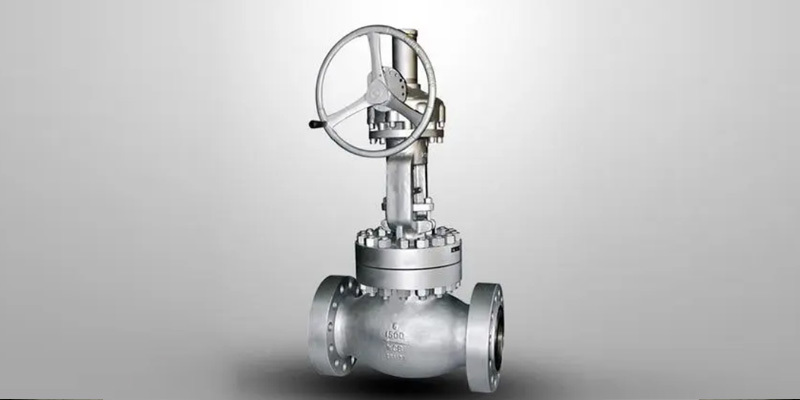
A globe butterfly valve comprises several essential components that contribute to its functionality and durability. Understanding these components will make installation easier.
3.1 Body
The body of the valve is typically made from durable materials, such as stainless steel or cast iron, which provide corrosion resistance and longevity.
3.2 Disc
The disc is the primary component that controls fluid flow. Its design can vary depending on the specific requirements of your application.
3.3 Actuator
Actuators facilitate the opening and closing of the valve. These can be manual or automated, depending on the application.
3.4 Sealing Mechanism
A reliable sealing mechanism ensures that there are no leaks during operation, which is crucial for maintaining system integrity.
4. Preparation for Installation
Before diving into the installation process, proper preparation is essential to ensure a smooth experience. Here’s what you need to consider:
4.1 Tools and Equipment
Ensure you have the following tools ready:
- **Wrenches**: For tightening and loosening bolts.
- **Screwdrivers**: For securing components.
- **Measuring Tape**: To ensure proper alignment and fitting.
- **Level**: To keep the valve properly aligned during installation.
4.2 Safety Precautions
Safety should always be a priority. Wear appropriate personal protective equipment (PPE) such as gloves, goggles, and hard hats. Ensure the system is depressurized and drained before beginning work.
5. Step-by-Step Installation Process
Now that you are prepared, let’s walk through the installation process step by step.
5.1 Step 1: Positioning the Valve
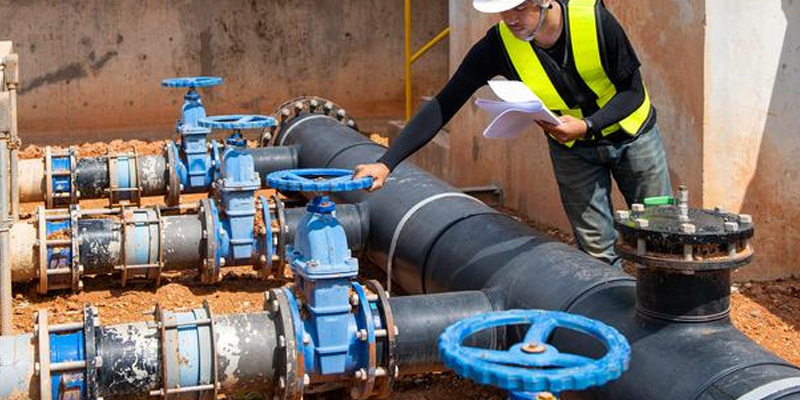
Begin by determining the correct position for the valve within the pipeline. Ensure that it is accessible for future maintenance.
5.2 Step 2: Aligning the Valve
Use a level to ensure that the valve is aligned with the pipeline. Misalignment can lead to improper sealing and operational issues.
5.3 Step 3: Securing the Valve
Once aligned, secure the valve to the pipeline using bolts. Tighten them carefully to avoid damaging the valve body.
5.4 Step 4: Connecting the Actuator
If your valve is automated, connect the actuator according to the manufacturer’s instructions. Ensure all electrical connections are secure.
5.5 Step 5: Testing for Leaks
After installation, test the valve for leaks by gradually pressurizing the system. Monitor closely for any signs of leakage at the joints and seals.
6. Testing and Commissioning the Installed Valve
Once installed, proper testing is crucial to ensure that the globe butterfly valve operates correctly. Here’s how to conduct effective testing:
6.1 Functional Testing
Operate the valve manually or through the actuator to confirm that it opens and closes smoothly. Check for any unusual noises or resistance.
6.2 Pressure Testing
Increase the pressure gradually and monitor for any leaks or performance issues. This step helps ensure the integrity of the installation.
7. Common Mistakes to Avoid During Installation
Even with careful planning, mistakes can happen. Here are some common pitfalls to avoid:
7.1 Ignoring Manufacturer Instructions
Always follow the manufacturer's guidelines, as they provide specific instructions tailored to the valve’s design.
7.2 Poor Alignment
Misalignment can lead to leaks and valve failure. Always use a level and double-check alignment before securing the valve.
7.3 Skipping Leak Testing
Failing to test for leaks can result in significant issues down the line. Always conduct thorough testing after installation.
8. Maintenance Tips for Globe Butterfly Valves
Proper maintenance extends the life of your globe butterfly valve and ensures optimal performance.
8.1 Regular Inspections
Conduct periodic inspections to identify any signs of wear or damage. Look for leaks, rust, or unusual operation.
8.2 Cleanliness
Keep the valve area clean to prevent debris from interfering with functionality. Regular cleaning will help maintain performance.
8.3 Lubrication
If applicable, lubricate moving parts regularly according to the manufacturer’s recommendations to ensure smooth operation.
9. Frequently Asked Questions
9.1 What is a globe butterfly valve?
A globe butterfly valve is a type of valve used for regulating fluid flow in industrial applications, combining features of both globe and butterfly valves.
9.2 How do I know which size valve to install?
Valve size should be based on the pipe diameter and the specific flow requirements of your system. Consult with an engineer if necessary.
9.3 Can I install a globe butterfly valve myself?
Yes, with the right tools and knowledge, you can install a globe butterfly valve. However, ensuring safety and proper installation is crucial.
9.4 How often should I maintain my globe butterfly valve?
Regular inspections every six months to a year are recommended, depending on usage and environmental factors.
9.5 What are the signs of a failing valve?
Signs include leaks, unusual noises during operation, difficulty in opening/closing, and reduced flow efficiency.
10. Conclusion
Installing globe butterfly valves can seem daunting for beginners, but with careful preparation and adherence to guidelines, it is a manageable task. Understanding the application, components, and maintenance of these valves will not only enhance your installation skills but also ensure that your systems operate efficiently. With this guide in hand, you are well-equipped to tackle your globe butterfly valve installation with confidence.
Key words:
More news
Essential Installation Tips for Two-Piece Flanged Ball Valves in Industrial Settings
Understanding Cast Steel Floating Ball Valves: Key Features and Applications
Floating Ball Valve vs. Traditional Valves: What You Need to Know for Optimal Performance
Maximizing Reliability: How Customized Regulating Valves Enhance System Performance
Top Features to Look for in China’s Automatic Water Control Valves
Key Features to Look for in Quality Industrial Control Valves

National sales hotline 7*24 hours
Address: 801-805 Jingshan Road, Guannan Industrial Zone, jimei district, Xiamen City


