

-
General Purpose Valve Series Butterfly valve series Ball valve series Hydraulic control valve series Corrosion-resistant valve series Bellows valve series Regulating valve seriesThree eccentric butterfly valve series Two-way double eccentric metal hard seal butterfly valve Soft seal butterfly valve series Other Butterfly Valve SeriesHydraulic control valve series Multi-function water control valve Elastic Seated Gate Valve On-off electric valve

- All
- Product Management
- News
- Introduction
- Enterprise outlets
- FAQ
- Enterprise Video
- Enterprise Atlas
How Regulating Valves Can Enhance Process Stability and Control in Industrial Applications
Release time:
Oct 04,2025
How Regulating Valves Can Enhance Process Stability and Control in Industrial Applications
Table of Contents
- Introduction to Regulating Valves
- Understanding Regulating Valves
- The Importance of Regulating Valves in Industrial Processes
- How Regulating Valves Work
- Benefits of Using Regulating Valves
- Applications of Regulating Valves Across Industries
- Best Practices for Implementing Regulating Valves
- Challenges and Solutions in Valve Regulation
- Conclusion
- FAQs
Introduction to Regulating Valves
In the ever-evolving world of industrial processes, maintaining **stability and control** is paramount for achieving consistent results and maximizing efficiency. Among the myriad of components that contribute to process optimization, regulating valves stand out as crucial elements. These devices play a vital role in controlling the flow of fluids within systems, ensuring that processes operate within desired parameters.
This article delves into the intricacies of regulating valves, exploring their types, mechanisms, benefits, and applications across various industries. By understanding how these valves can enhance process stability and control, businesses can make informed decisions that lead to improved operational effectiveness.
Understanding Regulating Valves
Definition and Purpose
Regulating valves, often referred to as **control valves**, are devices specifically designed to modulate the flow rate of fluids—liquids, gases, or steam—within a system. Their primary purpose is to maintain the desired flow, pressure, or temperature levels by adjusting the valve opening based on input signals from control systems. This regulation is essential for processes that require precise control to achieve optimal performance, safety, and quality.
Types of Regulating Valves
There are several types of regulating valves, each serving a specific function based on the application. The most common types include:
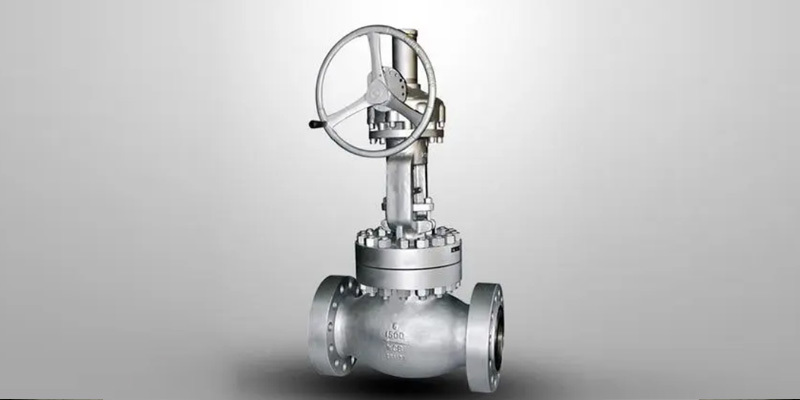
1. **Globe Valves**: Known for their excellent throttling capabilities, globe valves are widely used in various applications where flow regulation is necessary.
2. **Ball Valves**: Although primarily used for on-off control, specialized ball valves with modified seats can provide good throttling performance.
3. **Butterfly Valves**: Ideal for large flow rates, butterfly valves offer quick operation and are suitable for regulating flow in larger systems.
4. **Gate Valves**: These valves are primarily used for fully open or closed positions, but specific designs can also allow for controlled flow.
5. **Check Valves**: While their main function is to prevent backflow, some types can help in flow regulation under specific conditions.
Each valve type has distinct features tailored to different industrial needs, making it essential to select the right one based on the application.
The Importance of Regulating Valves in Industrial Processes
Regulating valves are integral to the effective operation of numerous industrial processes. Their importance can be highlighted through the following aspects:
- **Flow Control**: They enable precise control of fluid flow rates, which is crucial for maintaining desired operational conditions.
- **Pressure Management**: Regulating valves help maintain optimal pressure levels within systems, reducing the risk of equipment failure or safety hazards.
- **Temperature Regulation**: By controlling the flow of heat transfer fluids, these valves contribute to maintaining consistent temperature profiles in processes where temperature is critical.
- **Efficiency and Cost Savings**: By optimizing flow and pressure, regulating valves can lead to reduced energy consumption and lower operational costs.
The ability to control these parameters effectively ensures that processes operate smoothly, enhancing productivity and reliability.
How Regulating Valves Work
Mechanism of Action
The operation of regulating valves is based on a feedback control mechanism. Here’s how it works:
1. **Input Signal**: A control system sends a signal to the valve actuator, indicating the desired flow, pressure, or temperature.
2. **Valve Adjustment**: The actuator adjusts the valve position (open or close) in response to the input signal.
3. **Flow Monitoring**: Sensors within the system continuously monitor the flow rate, pressure, or temperature.
4. **Feedback Loop**: The control system receives data from the sensors and makes real-time adjustments to the valve position to maintain the desired parameters.
This continuous feedback loop enables precise regulation of fluid dynamics, ensuring that the system operates within the specified conditions.
Integration with Control Systems
Regulating valves are often integrated into broader control systems that include programmable logic controllers (PLCs), distributed control systems (DCS), and supervisory control and data acquisition (SCADA) systems.
These integrations enhance the capabilities of regulating valves by enabling:
- **Remote Monitoring and Control**: Operators can remotely adjust valve settings and monitor system performance via centralized interfaces.
- **Data Logging and Analysis**: Integration allows for data collection, enabling analysis that can lead to further optimization.
- **Alarm and Safety Features**: Control systems can trigger alarms and safety mechanisms in case of deviations from set parameters, ensuring operational safety.
The synergy between regulating valves and control systems amplifies the effectiveness of fluid management strategies in industrial applications.
Benefits of Using Regulating Valves
Implementing regulating valves in industrial systems offers numerous benefits:
- **Increased Process Stability**: By maintaining consistent flow and pressure, regulating valves enhance the stability of processes, reducing fluctuations that can lead to inefficiencies.
- **Improved Product Quality**: Precise control over process parameters helps in maintaining the quality of end products, ensuring that they meet specifications.
- **Energy Efficiency**: Optimal flow regulation leads to reduced energy consumption, translating into cost savings for businesses.
- **Safety Enhancements**: By preventing overpressure and ensuring controlled flow, regulating valves contribute to safer operational environments.
These benefits underscore the importance of incorporating regulating valves into industrial systems for improved performance and reliability.
Applications of Regulating Valves Across Industries
Regulating valves find applications in various industries, including:
- **Oil and Gas**: In this sector, regulating valves control the flow of crude oil, natural gas, and related products, ensuring safe and efficient operations.
- **Chemical Manufacturing**: Regulating valves manage the flow of chemicals, preventing spillages and ensuring that reactions occur under optimal conditions.
- **Food and Beverage**: In food processing, these valves regulate the flow of ingredients and maintain hygienic conditions, ensuring compliance with safety standards.
- **Pharmaceuticals**: Precise flow control is critical in pharmaceutical manufacturing to guarantee product consistency and quality.
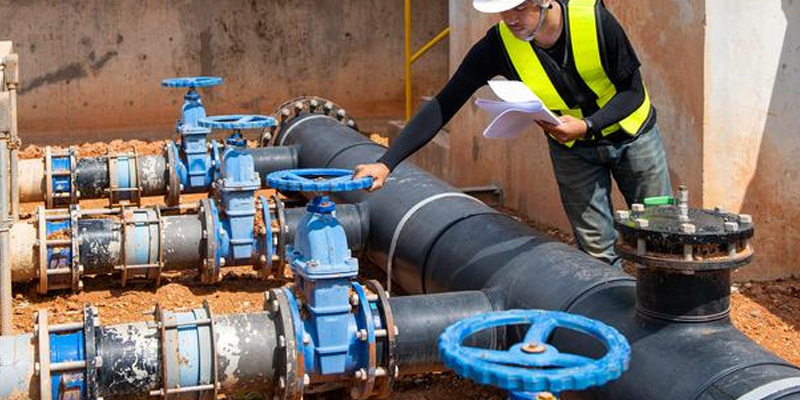
- **Water Treatment**: Regulating valves are essential in water treatment plants to control the flow and distribution of treated water.
Each application highlights the versatility and importance of regulating valves in maintaining control over complex industrial processes.
Best Practices for Implementing Regulating Valves
To maximize the efficacy of regulating valves in industrial applications, consider the following best practices:
- **Proper Sizing**: Ensure that valves are appropriately sized for the specific application to avoid issues with flow and pressure regulation.
- **Regular Maintenance**: Implement a maintenance schedule to inspect and service valves, ensuring they operate efficiently and reliably.
- **Training Personnel**: Train operators and maintenance staff on the importance and functionality of regulating valves to enhance operational competency.
- **Utilize Quality Components**: Choose high-quality valves from reputable manufacturers to ensure durability and performance.
Adhering to these best practices will enhance the effectiveness of regulating valves, leading to better process control and stability.
Challenges and Solutions in Valve Regulation
Despite their advantages, the implementation of regulating valves can present challenges:
- **Wear and Tear**: Valves may experience wear over time, affecting their performance. Regular maintenance and timely replacements can mitigate this issue.
- **Incorrect Sizing**: Valves that are not appropriately sized can lead to flow issues. Careful selection based on system requirements is crucial.
- **Operational Complexity**: Integration with sophisticated control systems may require specialized knowledge. Investing in training can help alleviate this challenge.
Addressing these challenges through proactive measures can optimize the performance of regulating valves and enhance process stability.
Conclusion
Regulating valves are indispensable components in the quest for **process stability and control** across various industrial applications. Their ability to modulate flow, maintain pressure, and regulate temperature is paramount for ensuring consistent quality and operational efficiency. By understanding the mechanisms, benefits, and best practices associated with regulating valves, industries can leverage these devices to optimize their processes and achieve significant cost savings.
Investing in high-quality regulating valves and implementing them effectively can lead to enhanced performance, safety, and reliability, positioning businesses for success in an increasingly competitive landscape.
FAQs
1. What are the main functions of regulating valves?
Regulating valves primarily control the flow of fluids, manage pressure, and regulate temperature in industrial processes.
2. How can I determine the right type of regulating valve for my application?
Assess your specific requirements, including flow rate, pressure, and fluid characteristics, and consult with a valve specialist for optimal selection.
3. What maintenance is required for regulating valves?
Regular inspections, cleaning, and timely replacements of worn components are essential for maintaining optimal performance.
4. Can regulating valves be integrated with automation systems?
Yes, regulating valves can be effectively integrated with PLCs, DCS, and SCADA systems for enhanced control and monitoring.
5. What are the common challenges faced with regulating valves?
Challenges include wear and tear, incorrect sizing, and operational complexity. Addressing these through proper maintenance and training is crucial.
Key words:
More news
Essential Installation Tips for Two-Piece Flanged Ball Valves in Industrial Settings
Understanding Cast Steel Floating Ball Valves: Key Features and Applications
Floating Ball Valve vs. Traditional Valves: What You Need to Know for Optimal Performance
Maximizing Reliability: How Customized Regulating Valves Enhance System Performance
Top Features to Look for in China’s Automatic Water Control Valves
Key Features to Look for in Quality Industrial Control Valves

National sales hotline 7*24 hours
Address: 801-805 Jingshan Road, Guannan Industrial Zone, jimei district, Xiamen City


