

-
General Purpose Valve Series Butterfly valve series Ball valve series Hydraulic control valve series Corrosion-resistant valve series Bellows valve series Regulating valve seriesThree eccentric butterfly valve series Two-way double eccentric metal hard seal butterfly valve Soft seal butterfly valve series Other Butterfly Valve SeriesHydraulic control valve series Multi-function water control valve Elastic Seated Gate Valve On-off electric valve

- All
- Product Management
- News
- Introduction
- Enterprise outlets
- FAQ
- Enterprise Video
- Enterprise Atlas
The Future of Globe Butterfly Valves: Trends and Predictions for Industrial Applications
Release time:
Sep 30,2025
The Future of Globe Butterfly Valves: Trends and Predictions
Table of Contents
- 1. Introduction to Globe Butterfly Valves
- 2. Importance of Globe Butterfly Valves in Industrial Applications
- 3. Current Trends Affecting Globe Butterfly Valves
- 4. Technological Advancements Impacting Globe Butterfly Valves
- 5. The Role of Sustainability in Valve Design
- 6. Automation and Smart Control in Valve Systems
- 7. Future Predictions for Globe Butterfly Valves
- 8. Challenges Facing the Globe Butterfly Valve Market
- 9. Conclusion
- 10. Frequently Asked Questions
1. Introduction to Globe Butterfly Valves
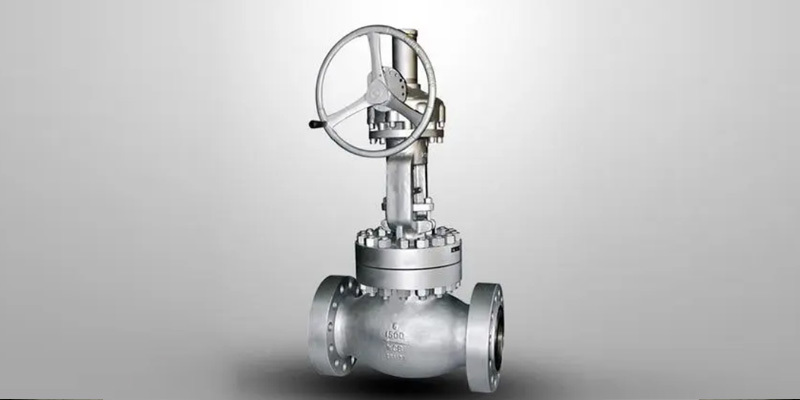
Globe butterfly valves play a critical role in controlling the flow of fluids in various industrial applications. These valves are known for their efficiency, reliability, and versatility. As industries evolve, so do the requirements for valve performance, leading to continuous advancements in design and technology. In this article, we delve into the future of globe butterfly valves, exploring trends, technological innovations, and predictions that will shape their development.
2. Importance of Globe Butterfly Valves in Industrial Applications
Globe butterfly valves are widely recognized for their ability to regulate flow effectively. They are utilized in numerous sectors, including oil and gas, water treatment, and manufacturing. The ability to control flow rates and maintain pressure makes them indispensable in ensuring the safety and efficiency of industrial processes.
**Key Benefits of Globe Butterfly Valves:**
- Versatility: Suitable for various applications and fluid types.
- Space Efficient: Compact design that saves valuable installation space.
- Cost-Effective: Reduced maintenance and operational costs due to durability.
- High Flow Capability: Allows for a large volume of fluid to pass through.
3. Current Trends Affecting Globe Butterfly Valves
Understanding current trends is crucial for anticipating the future of globe butterfly valves. Some of the key trends influencing this market include:
3.1 Increased Demand for Automation
With the rise of Industry 4.0, there is a growing demand for automated systems in manufacturing and process management. Globe butterfly valves are increasingly being integrated with automated control systems, allowing for remote operation and enhanced precision.
3.2 Emphasis on Energy Efficiency
As industries aim to reduce their carbon footprint, energy efficiency has become a critical consideration in valve design. Manufacturers are now focusing on creating valves that minimize energy consumption while maintaining peak performance.
3.3 Adoption of Advanced Materials
The introduction of advanced materials, such as composites and alloys, is transforming the durability and performance of globe butterfly valves. These materials can withstand extreme conditions, providing greater longevity and reliability.
4. Technological Advancements Impacting Globe Butterfly Valves
Technological advancements are pivotal in enhancing the functionality and efficiency of globe butterfly valves. Here are some significant innovations to note:
4.1 Smart Valve Technology
Smart valve technology integrates sensors and IoT capabilities into the design of globe butterfly valves. This technology allows for real-time monitoring of valve performance, facilitating predictive maintenance and minimizing downtime.
4.2 Advanced Seal Designs
New sealing technologies are emerging to improve the leak-proof characteristics of globe butterfly valves. Enhanced sealing mechanisms ensure greater reliability and reduce the risks associated with fluid leakage.
4.3 Enhanced Flow Control Mechanisms
Innovations in actuator technology have led to more precise control of valve positions. Enhanced flow control mechanisms enable better regulation of fluid dynamics, improving overall system efficiency.
5. The Role of Sustainability in Valve Design
Sustainability is becoming a fundamental aspect of industrial design, including valve manufacturing. Globe butterfly valves are no exception. Manufacturers are increasingly focusing on sustainable practices, such as:
5.1 Eco-Friendly Materials
The use of recyclable and environmentally friendly materials in the production of globe butterfly valves helps reduce waste and minimize environmental impact.
5.2 Energy-Efficient Manufacturing Processes
Adopting energy-efficient manufacturing processes not only lowers production costs but also reduces the carbon footprint associated with valve production.
5.3 Lifecycle Assessment
Conducting lifecycle assessments (LCA) of globe butterfly valves allows manufacturers to evaluate the environmental impact of their products from production to disposal, leading to more sustainable design choices.
6. Automation and Smart Control in Valve Systems
The integration of automation in valve systems is revolutionizing how globe butterfly valves are utilized across industries. Here’s a closer look at this trend:
6.1 Benefits of Automated Valve Systems
Automated globe butterfly valves can significantly enhance operational efficiency. They enable:
- Remote Monitoring: Operators can monitor and control valves from a distance.
- Data Collection: Analytics from automated systems inform better decision-making.
- Reduced Human Error: Automation minimizes the risk of mistakes in manual operation.
6.2 Future of Smart Valve Technology
As IoT technology advances, the future of smart valve technology looks promising. Enhanced connectivity and interoperability with other smart devices will lead to even greater efficiencies in fluid management.
7. Future Predictions for Globe Butterfly Valves
Looking ahead, several predictions can be made regarding the future of globe butterfly valves:
7.1 Growth in Demand
The continual push for more efficient and reliable flow control solutions will drive the demand for globe butterfly valves. Market analysts predict a steady growth trajectory, driven by various sectors adopting advanced technologies.
7.2 Increased Customization
The future will likely see greater customization options for globe butterfly valves, allowing manufacturers to cater to specific industry needs and client requirements.
7.3 Enhanced Focus on Compliance
As regulations around environmental impact grow stricter, manufacturers will need to ensure that their globe butterfly valves comply with both local and international standards, fostering innovation in sustainable practices.
8. Challenges Facing the Globe Butterfly Valve Market
Despite the promising future, the globe butterfly valve market faces several challenges that could impact growth:
8.1 Supply Chain Disruptions
Global supply chain issues can affect the availability of materials and components needed for valve production, leading to delays and increased costs.
8.2 Evolving Regulations
As industries adapt to new environmental regulations, valve manufacturers must continuously innovate to meet compliance standards, which can strain resources.
8.3 Competition from Alternative Technologies
The rise of alternative flow control technologies poses a competitive challenge to globe butterfly valves. Manufacturers must differentiate their products to maintain market share.
9. Conclusion
The future of globe butterfly valves is promising, with numerous trends and technological advancements shaping their development. As industries prioritize efficiency, sustainability, and automation, these valves will continue to evolve. Manufacturers who embrace innovation and adapt to changing market demands will undoubtedly thrive in this dynamic landscape. By understanding these trends and predictions, stakeholders can make informed decisions that will influence their operational success.
10. Frequently Asked Questions
Q1: What are the main applications of globe butterfly valves?
A1: Globe butterfly valves are widely used in applications such as water treatment, oil and gas, pharmaceuticals, and food processing due to their ability to control fluid flow effectively.
Q2: How do globe butterfly valves differ from other types of valves?
A2: Unlike gate valves, which are designed primarily for on/off control, globe butterfly valves are specifically engineered for flow regulation, providing better control and efficiency.
Q3: What materials are commonly used in the manufacturing of globe butterfly valves?
A3: Common materials include cast iron, stainless steel, and PVC, chosen based on the specific application and environmental conditions.
Q4: Are automated globe butterfly valves more expensive than manual ones?
A4: While automated valves may have a higher initial cost, they can reduce operational costs and improve efficiency, leading to savings over time.
Q5: What is the future outlook for the globe butterfly valve market?
A5: The future outlook is positive, with increasing demand driven by automation, sustainability, and technological advancements, leading to significant growth in the market.
Key words:
More news
Essential Installation Tips for Two-Piece Flanged Ball Valves in Industrial Settings
Understanding Cast Steel Floating Ball Valves: Key Features and Applications
Floating Ball Valve vs. Traditional Valves: What You Need to Know for Optimal Performance
Maximizing Reliability: How Customized Regulating Valves Enhance System Performance
Top Features to Look for in China’s Automatic Water Control Valves
Key Features to Look for in Quality Industrial Control Valves

National sales hotline 7*24 hours
Address: 801-805 Jingshan Road, Guannan Industrial Zone, jimei district, Xiamen City


